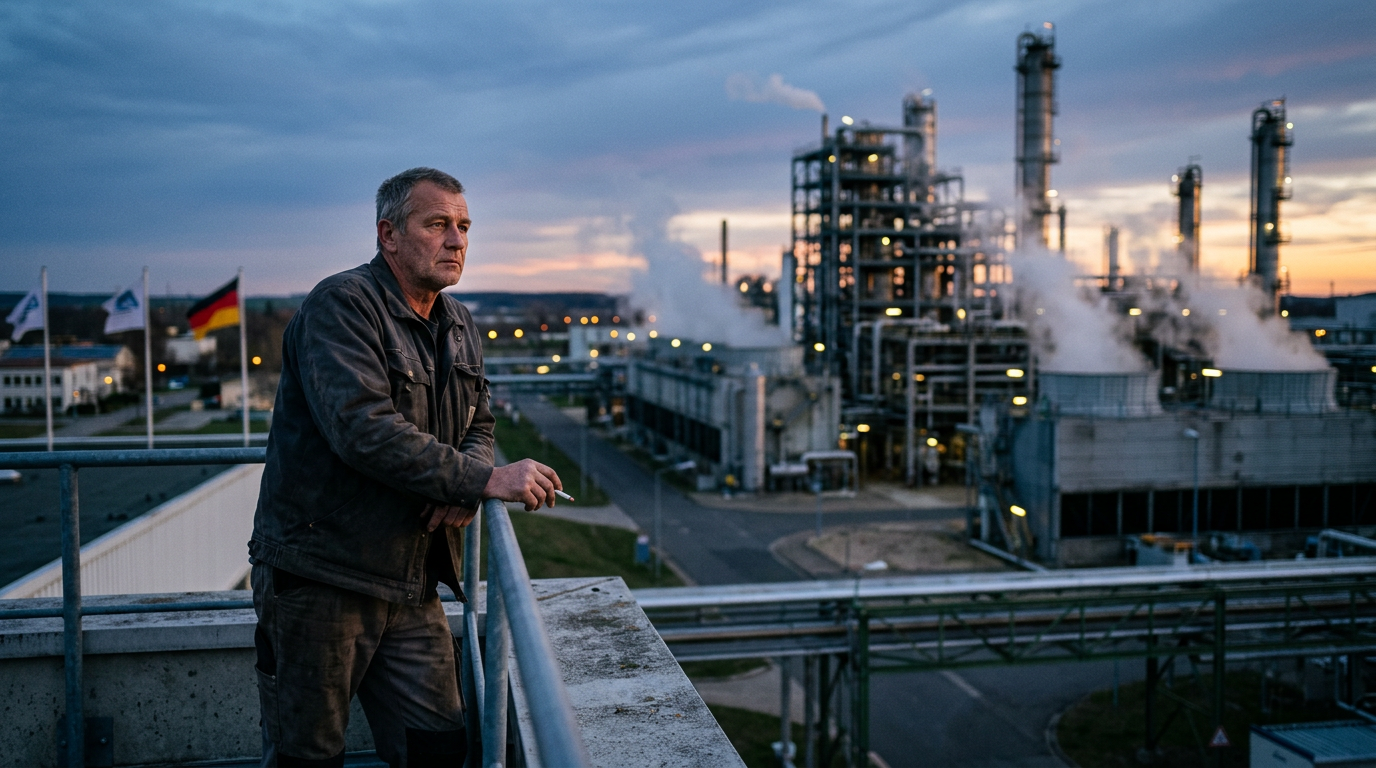
Cyclone Ditwah Delivers Devastating Blow to Sri Lanka's Fragile Economic Recovery
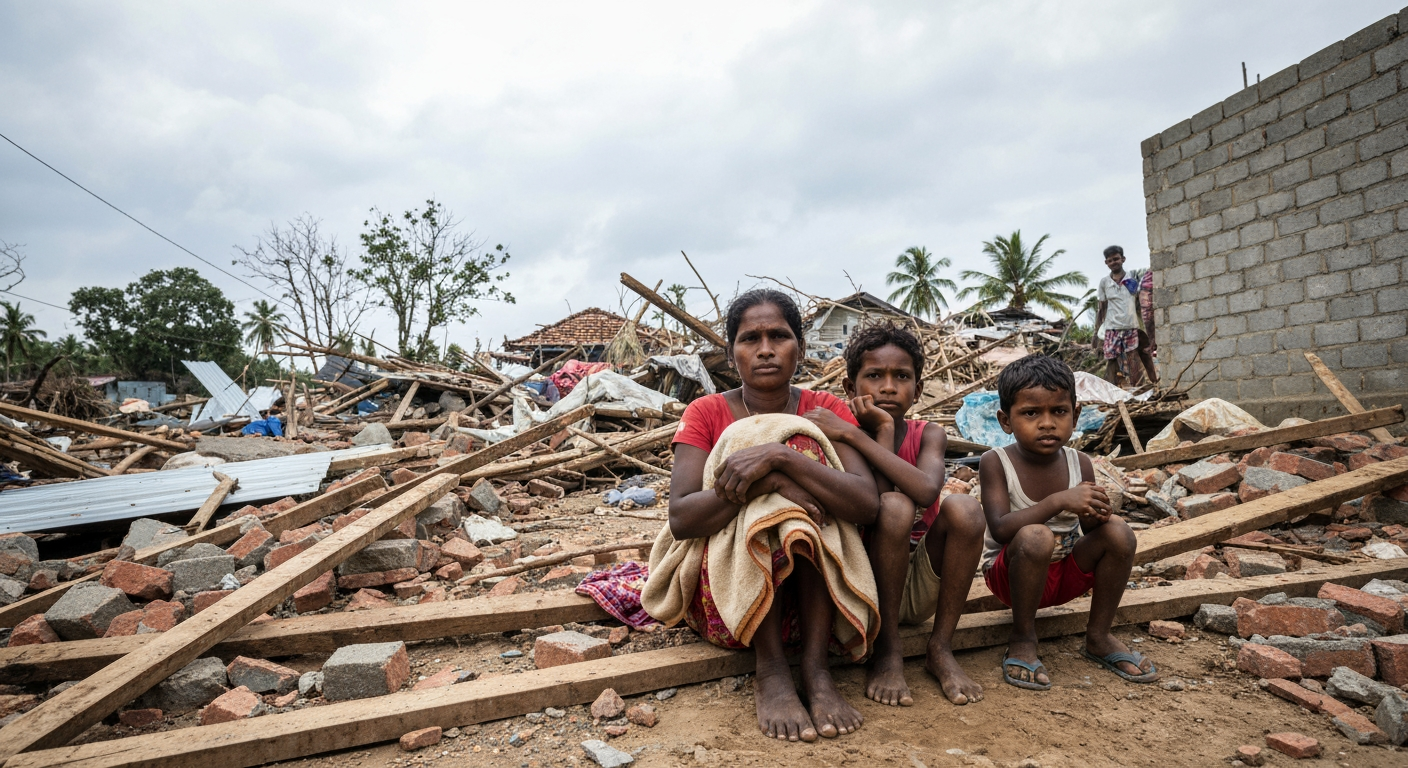
COLOMBO, Sri Lanka – Sri Lanka's arduous journey toward economic recovery has been dealt a severe setback by Cyclone Ditwah, a catastrophic weather event that swept across the island nation in late November 2025. The cyclone, described as the deadliest natural disaster since the 2004 tsunami and the worst weather-related crisis in years, unleashed torrential rains, widespread flooding, and destructive landslides, leaving a trail of death, displacement, and immense infrastructure damage. With preliminary estimates for reconstruction costs soaring to between $6 billion and $7 billion, Ditwah has not only triggered a profound humanitarian crisis but also threatens to derail the nation's fragile economic stabilization efforts, pushing millions further into poverty.
The Storm's Fury and Unprecedented Human Cost
Cyclone Ditwah made landfall on November 28, 2025, rapidly intensifying and tracking across major population centers and vulnerable terrain, including the Eastern, North-Central, Central, and Northwestern provinces. The storm's ferocity resulted in an immediate and tragic human toll, with official figures confirming 639 lives lost and hundreds more reported missing. The central highlands, encompassing districts such as Kandy, Badulla, Nuwara Eliya, and Matale, bore the brunt of deadly landslides and flash floods.
The humanitarian crisis is staggering, with over 2.3 million people across all 25 districts affected by flooding, displacement, or loss of livelihoods. This includes an estimated 275,000 children facing damaged schools, destroyed homes, and heightened risks of disease outbreaks. More than 5,000 homes were completely destroyed, and an additional 86,882 sustained partial damage, forcing countless families into overcrowded safety centers. The scale of this displacement, coupled with disruptions to essential services, has placed immense pressure on a nation still grappling with the aftershocks of a severe economic crisis.
Agriculture on the Brink: A Looming Food Security Crisis
The agricultural sector, a cornerstone of Sri Lanka's economy and food security, has suffered an "unprecedented" blow, with devastating long-term implications. Cyclone Ditwah struck during the crucial Maha season, the island's primary cultivation period, wiping out crops that were in their early, vulnerable growth stages. Government data reveals that over 200,000 hectares of farmland have been damaged, including a staggering 108,000 to 137,000 hectares of rice paddies, representing up to 22% of the country's total paddy lands.
Beyond rice, the destruction extends to 6,600 hectares of maize, over 6,000 hectares of vegetables (accounting for 41% of cultivated area), and approximately 38% of other vital field crops like chili, onions, and green gram. The livestock sector has also seen extensive losses in poultry and cattle, raising concerns about egg and meat supplies. Critical irrigation infrastructure, including 1,777 tanks, 483 dams, and nearly 2,000 canals, has been severely damaged, further complicating future cultivation efforts. This widespread agricultural collapse has already led to significant spikes in vegetable prices, with some items experiencing increases of 100% to 350%, threatening intensified food insecurity and reduced access to nutritious foods for low-income families. Farmers, many of whom are already burdened by debt, now face the daunting challenge of replanting without adequate funds. The impact on export crops such as tea and spices is also anticipated, with December tea output alone expected to fall by 3-4 million kilograms.
Infrastructure Shattered: Roads to Recovery Blocked
The cyclone's impact on Sri Lanka's infrastructure has been widespread, crippling transport networks, power supply, and communication systems across the country. Over 200 roads were rendered impassable, and an estimated 16,000 kilometers of roads, alongside 480 bridges and 278 kilometers of railway tracks, were exposed to or damaged by floodwaters. Key routes, including the road between Kandy and Colombo, were cut off for days due to landslides and blockages.
At the height of the storm, nearly the entire country experienced power outages, with 25-30% of the national power supply disrupted due to fallen transmission lines and the temporary shutdown of major hydropower plants. While 90% of power in main cities has since been restored, the initial widespread blackouts severely impacted businesses and daily life. Access to clean water remains a critical concern, with major water treatment plants submerged or forced to shut down. These infrastructure failures impede emergency services, delay the movement of goods, and add significant costs to the already strained public finances, hindering the rapid restoration of economic activity.
Tourism's Resilient Fightback Amidst Economic Headwinds
Sri Lanka's tourism sector, a crucial earner of foreign exchange and a "bright spot" in the nation's recent economic recovery, has also felt the cyclone's sting. The natural disaster disrupted infrastructure in popular tourist destinations like Kandy, Nuwara Eliya, and Ella, leaving some visitors stranded. Initial data from the Sri Lanka Tourism Development Authority (SLTDA) indicated a 21.7% reduction in average daily foreign visitors during the first eight days of December compared to the same period last year.
Despite these challenges, the tourism industry has demonstrated remarkable resilience. No tourists were among the lives lost, and nearly 300 international visitors were safely evacuated. The SLTDA and other tourism stakeholders have swiftly launched promotional campaigns to reassure global travelers that "Sri Lanka is open for business" and safe. Most tourist attractions and national parks, with few exceptions, have reopened, and many hotels in affected regions are back in operation. The industry anticipates a pickup in bookings after December 15, highlighting a strong determination to mitigate long-term reputational damage and continue contributing to the nation's economic revival.
A Fragile Economy Tested: The Long Road Ahead
The timing of Cyclone Ditwah could not have been worse for Sri Lanka, an economy that was just beginning to stabilize after years of contraction and a severe economic crisis that peaked in 2022. The pre-existing vulnerabilities were stark: the poverty rate had more than doubled since 2019 to nearly 25% of the population, and many in the affected areas already faced unstable incomes and high debt. The cyclone has exposed deep structural weaknesses, particularly in the agrarian system, stemming from historical neglect and exploitation.
Economic analysts warn that the disaster will "significantly slow down the country's recovery trajectory." While a $2.9 billion IMF bailout had spurred a tentative rebound, with growth projected at 4.5% this year, analysts now anticipate a slowdown to about 3% in 2026 due to Ditwah. The estimated $6-7 billion rebuilding bill, potentially reaching up to 5% of GDP, presents a massive fiscal challenge. The government has appealed for at least Rs 31 billion ($100 million approx) in international assistance and requested an additional $200 million from the IMF through a Rapid Financing Instrument. The IMF has acknowledged the "clear economic impact" and reaffirmed its commitment to supporting Sri Lanka's recovery.
President Anura Kumara Dissanayake has directed swift rescue and relief operations, allocating Rs 1.2 billion for immediate response and Rs 30 billion for emergency needs in the 2025 Budget. International organizations like the UNDP, UNICEF, MSF, and the Red Cross are actively providing humanitarian aid and support, but the scale of the disaster necessitates sustained and coordinated efforts. The cyclone underscores the urgent need for climate finance and resilient rebuilding strategies to protect Sri Lanka from future climate shocks, which are no longer isolated events but recurrent threats to its development and stability. The nation now faces a dual challenge: addressing immediate humanitarian needs while simultaneously navigating a long and costly path to reconstruct, rebuild, and fortify its economy against future environmental adversities.
Sources
- reliefweb.int
- un.org
- travelweekly.co.uk
- msf.org.uk
- worldweatherattribution.org
- tbsnews.net
- ft.lk
- nus.edu.sg
- sundaytimes.lk
- viacampesina.org
- ips.lk
- island.lk
- themorning.lk
- tamilguardian.com
- economynext.com
- colombotelegraph.com
- lankabiznews.com
- travelandtourworld.com
- travelgossip.co.uk
- ceylonpublicaffairs.com
- themorning.lk
- ttgasia.com
- tamilguardian.com
Related Articles


Mounting Frustration Grips Russia as Economic Hardship and War's Toll Deepen
Moscow, Russia – A palpable shift in public sentiment is emerging across Russia, with growing frustration among citizens fueled by a confluence of economic pressures, increasing internet restrictions, and the undeniable...

Germany's Strategic Calculus: Ukraine Aid is an Investment in European Security, Not Charity
Berlin – The ongoing provision of substantial aid to Ukraine by Germany and its allies is increasingly being framed not as an act of altruism, but as a crucial investment in European security and stability. This...