Cyprus Talks: A Glimmer of Hope for Resolution?
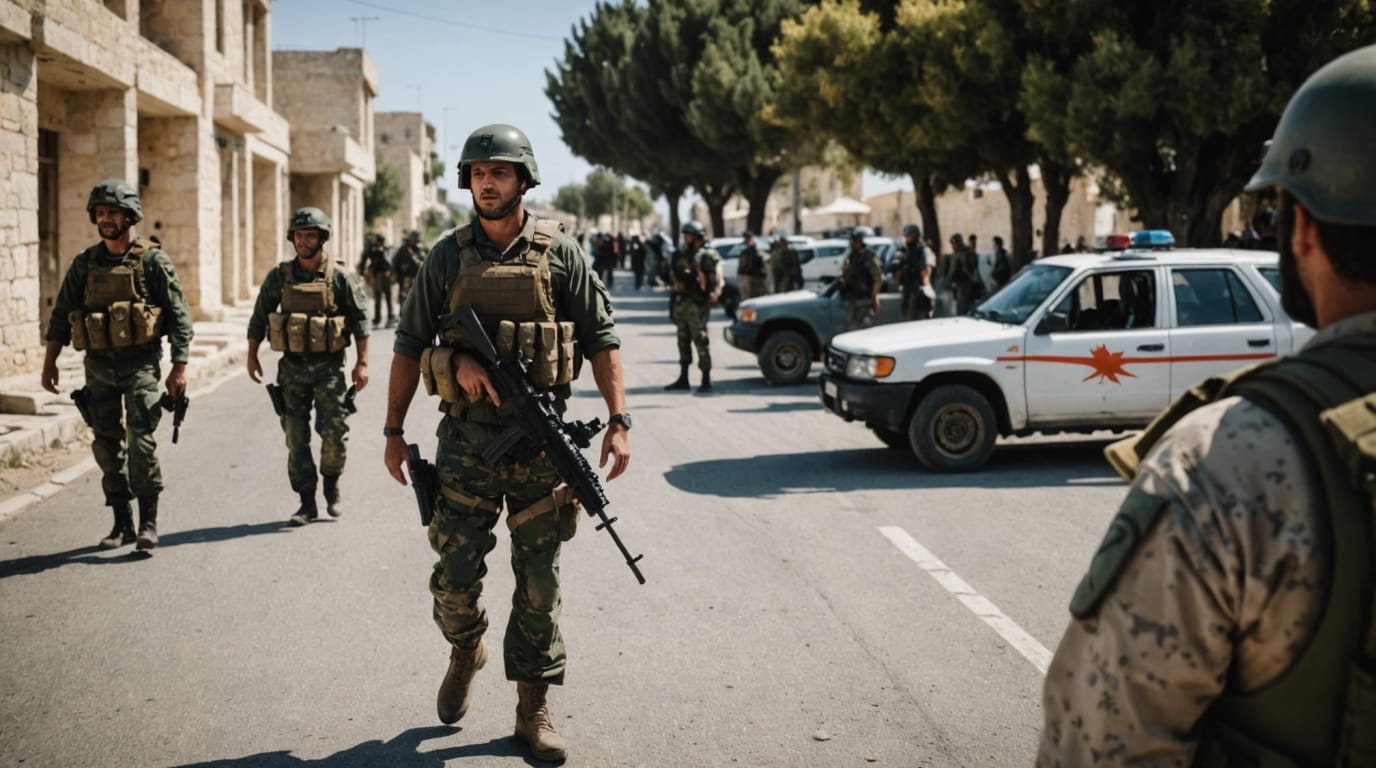
After decades of division and stalled negotiations, recent talks in Geneva have offered a potential pathway forward for the Cyprus conflict. Led by United Nations Secretary-General Antonio Guterres, leaders from both Greek and Turkish Cypriot communities, along with representatives from guarantor powers Greece, Turkey, and the United Kingdom, convened to discuss the future of the island. While significant hurdles remain, the discussions yielded a series of confidence-building measures and a commitment to continued dialogue, signaling a possible shift in the long-standing stalemate.
A Divided Island: The Historical Context
The Cyprus conflict is a complex and deeply rooted issue stemming from a history of intercommunal tensions and external interference. The island gained independence from British rule in 1960, with power-sharing arrangements between the Greek Cypriot and Turkish Cypriot communities. However, these arrangements soon broke down, leading to violence and segregation.
In 1974, a Greek Cypriot coup, backed by the Greek military junta, aimed to unite the island with Greece. Turkey responded with a military intervention, occupying the northern third of Cyprus. This resulted in the displacement of hundreds of thousands of people and the de facto partition of the island, with the self-declared Turkish Republic of Northern Cyprus (TRNC) established in 1983, recognized only by Turkey.
The division has persisted for over half a century, with numerous UN-led efforts to reunify the island failing to achieve a breakthrough. The 180-kilometer-long buffer zone, known as the Green Line, remains a stark reminder of the conflict, monitored by UN peacekeepers. Nicosia stands as the world's only divided capital.
Geneva Talks: A Constructive Atmosphere
The recent talks in Geneva, the first negotiations since 2021, aimed to kickstart concrete negotiations to address the island's division. Despite tempered expectations, the meeting was described as constructive, with both sides demonstrating a clear commitment to making progress and continuing dialogue.
Secretary-General Guterres highlighted the "new atmosphere" in the talks, noting that tangible progress had been achieved for the first time in years. Greek Cypriot Leader Nikos Christodoulides and Turkish Cypriot Leader Ersin Tatar reached an agreement on several initiatives aimed at building trust between the communities.
Confidence-Building Measures: A Step Forward
The agreed-upon confidence-building measures include:
- Opening four new crossing points: Mia Milia, Louroujina, Kokkina-Pyroi, and Athienou.
- Demining operations: Addressing the presence of landmines in the buffer zone.
- Establishing a technical committee for youth engagement: Fostering cooperation and understanding among young people from both communities.
- Initiatives on the environment and climate change: Including addressing the impacts on mining areas, promoting solar energy in the buffer zone, and restoring cemeteries.
These measures represent a significant step forward, as they aim to improve daily life for Cypriots and create a more conducive environment for future negotiations. The opening of crossing points, in particular, could facilitate greater interaction and cooperation between the two communities.
Divergent Visions: The Core of the Conflict
Despite the positive atmosphere and confidence-building measures, fundamental differences remain between the two sides regarding the future of Cyprus. The Greek Cypriots, supported by the UN and the European Union, advocate for a bizonal, bicommunal federation (BBF) with political equality, as outlined in previous Security Council resolutions. This model envisions a unified Cyprus with two constituent states, each representing one of the communities.
However, the Turkish Cypriot leadership, backed by Turkey, insists on a two-state solution based on sovereign equality. This position calls for the recognition of the TRNC as an independent state, a move that is not supported by the international community, with the exception of Turkey.
These divergent visions represent the core of the Cyprus conflict and pose a significant challenge to any future settlement. While the Greek Cypriots view a two-state solution as entrenching the island's division, the Turkish Cypriots argue that decades of failed negotiations have proven a federal model unworkable.
The Role of External Actors: Greece, Turkey, and the EU
The Cyprus conflict is not solely a domestic issue; it is also influenced by external actors, particularly Greece and Turkey, who are guarantor powers under the Zürich and London Agreement. Both countries have historically played a significant role in shaping the political landscape of the island.
Greece traditionally supports the Greek Cypriot position, advocating for a unified Cyprus based on a BBF. Turkey, on the other hand, supports the Turkish Cypriot position, pushing for a two-state solution and maintaining a military presence in the north.
The European Union also plays a role in the Cyprus issue. While the entire island is technically part of the EU since 2004, EU law is only fully implemented in the Greek Cypriot south. The EU supports the reunification of Cyprus under a BBF and has expressed its willingness to play an active role in the negotiation process.
The Path Forward: Challenges and Opportunities
The recent talks in Geneva have provided a glimmer of hope for a resolution to the Cyprus conflict. However, significant challenges remain. The deep-seated mistrust between the two communities, the divergent visions for the island's future, and the influence of external actors all pose obstacles to a lasting settlement.
Despite these challenges, there are also opportunities for progress. The agreement on confidence-building measures demonstrates a willingness from both sides to engage in practical cooperation. The appointment of a UN Personal Envoy to prepare for the next steps in the negotiations could also help to bridge the gap between the two sides.
The next round of talks, scheduled for the end of July, will be crucial in determining whether the momentum from Geneva can be sustained. It is essential that all parties involved demonstrate flexibility, creativity, and a genuine commitment to finding a solution that respects the rights and interests of all Cypriots.
Conclusion: A Long Road Ahead
The Cyprus conflict remains one of the world's longest-standing unresolved disputes. While the recent talks in Geneva have offered a positive sign, the road to a lasting settlement is likely to be long and arduous. Overcoming the deep-seated divisions and finding a mutually acceptable solution will require sustained effort, political will, and the support of the international community. The future of Cyprus hinges on the ability of all parties to seize this opportunity and work towards a peaceful and unified future for the island.


