Danish Grocery Chain to Highlight European Goods Amid Shifting Consumer Preferences
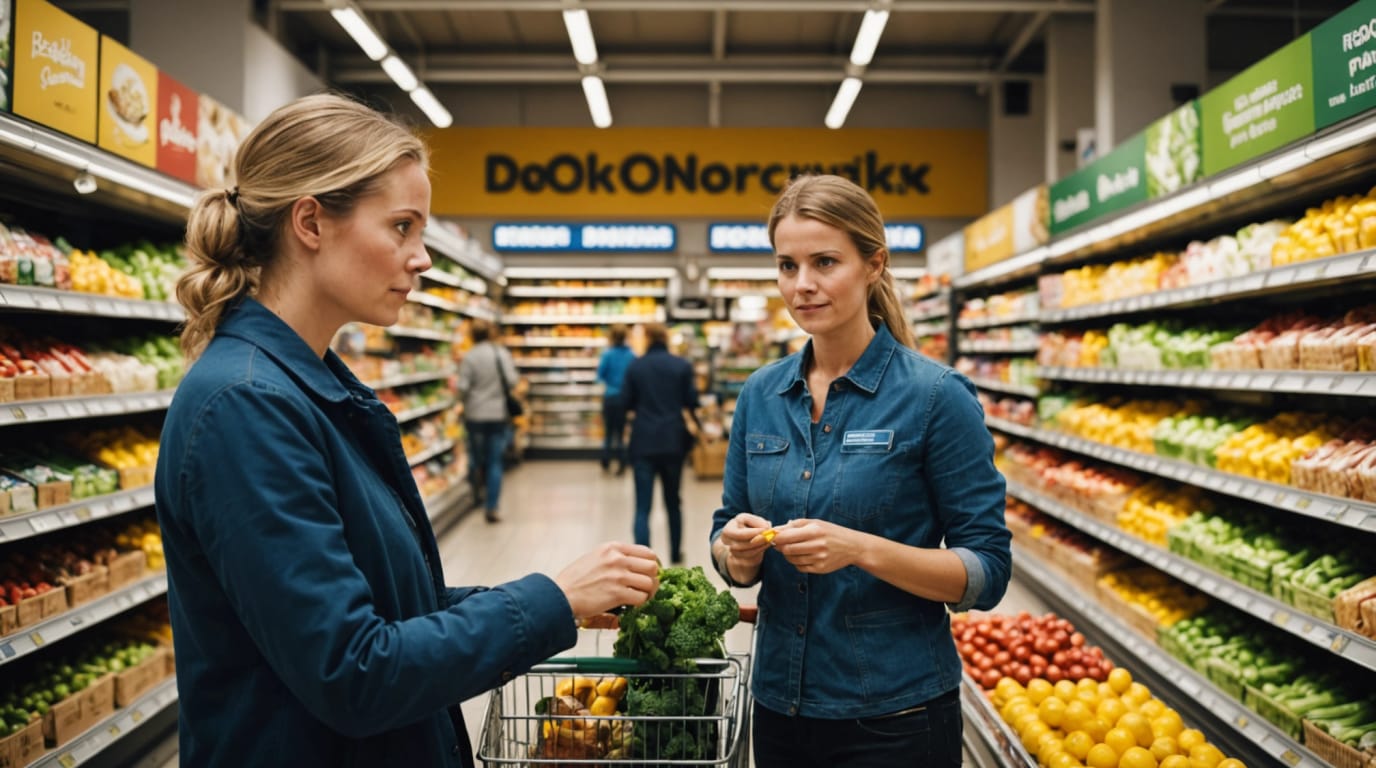
In a move reflecting evolving consumer sentiment, Denmark's largest grocery group, Salling Group, will begin distinguishing European-made products from those originating in the United States. Starting in March, a small black star will appear on electronic price tags next to European brands in Salling Group's stores, including Bilka, Føtex, and Netto supermarkets. The initiative aims to cater to a growing demand among Danish consumers for European goods.
Responding to Consumer Demand
Salling Group's decision comes in response to increased inquiries from customers expressing a desire to support European brands. CEO Anders Hagh announced the new labeling system on LinkedIn, stating that it is intended as "an extra service for those who want to buy goods with European brands." Hagh emphasized that the company will continue to stock products from all over the world, leaving the ultimate purchasing decision to the consumer.
More Than Just a Boycott?
While Salling Group frames the initiative as a way to promote European products, it also arrives amid reports of rising anti-American sentiment among some Danish consumers. A Facebook group called "Boykot varer fra USA" ("Boycott Goods from the USA") has garnered nearly 30,000 members, fueled in part by reactions to U.S. policies and trade disputes. Some retailers have already begun reducing the number of American products on their shelves, according to the digital newspaper NordiskPost.
Broader Implications
The trend extends beyond just one company. Other retailers in Denmark are reportedly reducing their stock of U.S. goods, and consumer forums in other parts of Europe are considering similar actions to convey political messages through purchasing power. This shift highlights a growing interest in supporting local and regional economies, promoting sustainability, and reinforcing cultural identity through consumer choices.
Labeling Requirements in Denmark
Denmark already has numerous labeling and marking requirements for products sold within its borders. These requirements, which stem from both Danish and EU laws and regulations, vary depending on the product. Generally, consumer products must be labeled in Danish or a language closely related to it, such as Norwegian or Swedish. Certain products must also be clearly marked with their country of origin.
A Test Case for Consumer Activism?
Whether this labeling initiative will significantly impact sales of American products remains to be seen. However, it underscores the increasing power of consumers to influence corporate behavior and potentially drive broader political and economic change. As consumers become more conscious of the environmental and social impacts of their purchasing decisions, retailers may need to adapt to meet these evolving preferences.


