Danube's Critical Low Levels Force Nuclear Power Cuts in Hungary and Romania, Escalating European Energy Concerns
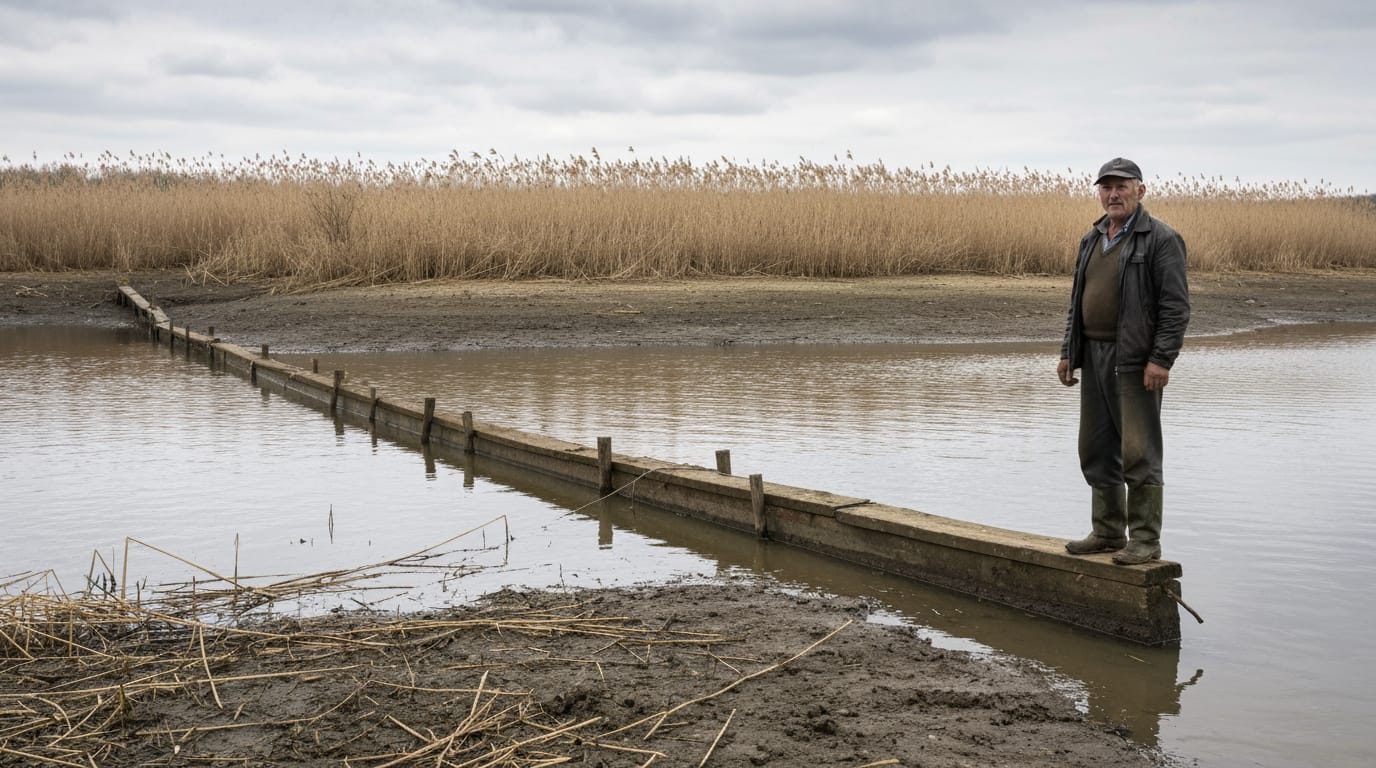
BUDAPEST/BUCHAREST – The Danube River, a vital artery for Central and Eastern Europe, has reached unprecedented low water levels, compelling both Hungary and Romania to significantly reduce or entirely halt nuclear power production. This drastic measure, necessitated by prolonged drought and severe heatwaves, underscores the fragility of the region's energy infrastructure and highlights the increasing vulnerability of critical systems to extreme weather events. The shutdowns of nuclear reactors in both nations signal a growing challenge to Europe's energy security, forcing countries to increase imports and appeal for public energy conservation amidst already strained supplies.
Unprecedented Lows Cripple Critical Infrastructure
The crisis unfolded rapidly as the Danube's water levels plummeted to historic lows. In Hungary, the Paks Nuclear Power Plant, a cornerstone of the nation's energy supply, began scaling back operations earlier this week. On Monday, July 27, Unit 1 of the Paks plant saw its output reduced by 254 megawatts (MW). This was followed by a 237 MW reduction for Unit 3 on Tuesday. By Wednesday, July 28, the situation had deteriorated further, leading to the complete shutdown of Unit 3. The Danube's water level at Paks registered a record low of -106 cm on July 27, falling even further to -118 cm by Wednesday. The plant's operator, MVM, subsequently announced a 50% output cut on Reactor 2 on Thursday, July 30, meaning 40% of Paks' total installed capacity of 2,026 MW was offline. Despite these significant reductions, Hungarian authorities maintain that the nation's energy supply remains secure.
Concurrently, Romania faced a similar predicament at its Cernavodă Nuclear Power Plant, which relies on the Danube for cooling. On Tuesday, July 28, Unit 1 of Cernavodă was taken offline due to critically low river levels and a drastic reduction in water flow, which had dropped to approximately 1,630 cubic meters per second – roughly one-third of the typical July average. This precautionary shutdown aimed to protect the plant's essential cooling pumps from potential damage that could require lengthy and complex repairs. The situation escalated further as Unit 2 was also shut down either on Wednesday, July 29, or early Thursday, July 30. This unprecedented dual shutdown means both of Cernavodă’s reactors, which collectively provide about 20% of Romania's power production (totaling 1412 MW), are currently out of commission. Romania's state-owned nuclear operator, Nuclearelectrica, confirmed these measures were taken to guarantee nuclear safety and equipment reliability.
The Science Behind the Shutdowns: Cooling Challenges
Nuclear power plants, regardless of their design, generate immense heat that must be dissipated to ensure safe and efficient operation. This process typically involves a continuous supply of cool water, often drawn from large bodies of water like rivers or seas, to cool the steam generated by the reactor before it can be condensed back into water for reuse. The Danube River serves this critical function for both the Paks and Cernavodă nuclear facilities.
The primary reason for the output reductions and shutdowns is twofold: insufficient water volume and stringent environmental regulations concerning the temperature of discharged water. When river levels drop dramatically, the volume of water available for cooling decreases. Simultaneously, prolonged heatwaves elevate the ambient temperature of the river water itself. Nuclear plants are bound by environmental permits that dictate the maximum temperature at which cooling water can be returned to the river, usually to protect aquatic ecosystems. If the incoming river water is already warm and its volume is low, the discharged water can quickly exceed these limits, making it impossible to operate reactors at full capacity or even requiring a complete shutdown to avoid violating regulations and causing ecological harm. The Paks plant, for instance, must ensure that the discharged cooling water does not raise the Danube's temperature by more than 30 degrees Celsius within a 500-meter radius of the discharge point. With record-low river levels and high temperatures, this threshold is rapidly approached.
Ripple Effects Across the European Energy Landscape
The concurrent reduction in nuclear output in Hungary and Romania sends ripples across the European energy landscape, already grappling with supply uncertainties and high prices. For Romania, the shutdown of both Cernavodă reactors signifies the loss of approximately 20% of its national power production. This deficit is expected to increase the country's reliance on electricity imports and potentially drive up prices. Romania's Energy Ministry has estimated peak power consumption this week at 7,300 MW, while domestic generation, even before the second reactor shutdown, was forecast to be between 4,000 MW and 4,300 MW, leaving a significant gap to be covered by imports. The government has appealed to the public to conserve electricity to mitigate the impact.
The situation along the Danube is not an isolated incident. Other major European waterways, such as the Rhine River, are also experiencing record low levels due to persistent drought and heatwaves. The Rhine, a crucial artery for the transport of commodities including coal and fuels, has seen significant disruptions to barge traffic, leading to increased shipping costs and potential bottlenecks in energy supply chains for industries far inland. This broader trend underscores a systemic vulnerability across Europe, where river systems are integral to energy generation, fuel transport, and industrial operations. The stress on these vital waterways compounds existing pressures on the European energy grid, which has already been under strain for years.
Climate Change and the Future of Energy Security
The severe drought and intense heatwaves gripping Europe, directly contributing to the Danube's critically low levels, are increasingly linked to the escalating impacts of climate change. Scientists and energy experts have warned that such extreme weather events are becoming more frequent and severe, posing an existential threat to traditional energy infrastructure reliant on stable hydrological conditions. The current crisis serves as a stark reminder that even seemingly reliable baseload power sources like nuclear energy are not immune to the effects of a changing climate.
The implications for future energy security and planning are profound. European nations, including Hungary and Romania, must accelerate efforts to diversify their energy mixes, invest in climate-resilient infrastructure, and develop robust contingency plans for prolonged periods of extreme weather. This includes exploring alternative cooling technologies for power plants, enhancing grid flexibility, expanding renewable energy sources that are less dependent on water availability, and improving energy efficiency across all sectors. The need for international cooperation in managing shared water resources and coordinating energy strategies across the continent is also paramount, as the impacts of climate change transcend national borders. The current challenges faced by nuclear plants on the Danube highlight the urgency of adapting to a future where water scarcity and extreme heat may increasingly dictate operational capacities for critical infrastructure.
A Stark Warning for Europe's Energy Future
The events unfolding along the Danube River are more than a temporary operational setback; they represent a significant warning sign for Europe's energy future. The forced reduction and shutdown of nuclear reactors in Hungary and Romania due to historically low water levels underscore the profound and accelerating impact of climate change on critical infrastructure and energy security. As extreme weather events become the new norm, the vulnerability of systems designed for a more predictable climate is increasingly exposed. The need for resilient, diversified, and adaptable energy strategies has never been more urgent. Without proactive measures and robust investments in climate adaptation, Europe risks facing more frequent and severe disruptions to its power supply, with far-reaching economic and social consequences.


