Danube's Decline Forces Nuclear Shutdowns, Sparks Energy Crisis in Eastern Europe
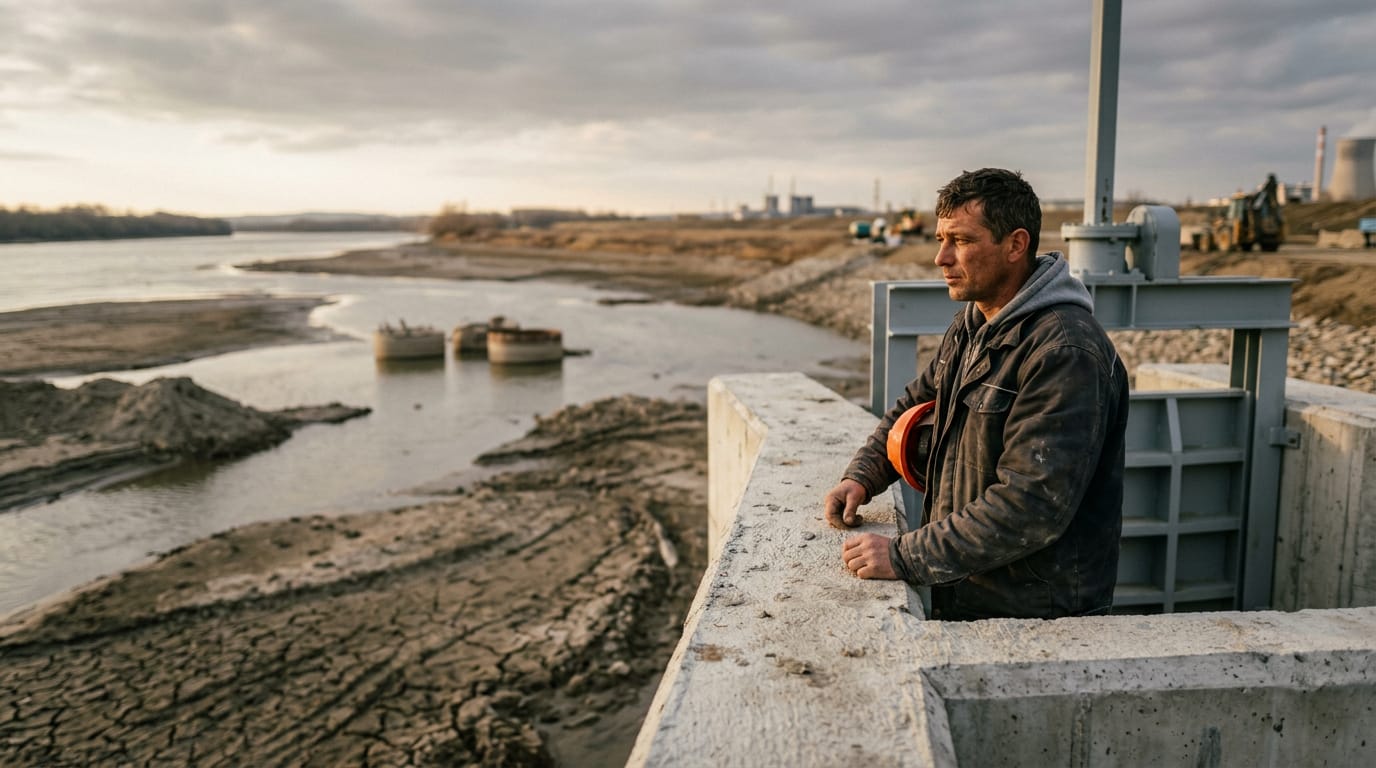
Bucharest, Romania – An unprecedented drought, fueled by scorching heatwaves, has plunged Central and Southeastern Europe into a deepening energy crisis, forcing Romania to shut down both reactors at its sole nuclear power plant and pushing Hungary's critical nuclear facility to the brink of a similar fate. The dramatically receding waters of the Danube River, a lifeline for both nations' energy grids and economies, are exposing the stark vulnerabilities of regional infrastructure to the accelerating impacts of climate change.
Romania's state-owned Cernavodă nuclear power plant, responsible for approximately 20% of the country's electricity generation, ceased all operations on Thursday, August 13, after attempts to sustain cooling operations failed. The first reactor had already been taken offline in late July, with the second unit following suit this week as the Danube's water levels dropped to historic lows, insufficient to cool the plant's turbine condensers. This marks the first time both Cernavodă reactors have been simultaneously offline due to hydrological conditions since a severe drought in 2003.
Romania's Critical Energy Gap
The decision to power down Cernavodă's second reactor was announced by plant operator Nuclearelectrica, citing the "continued significant decrease in the level of the Danube River." For weeks, Romanian authorities had deployed extraordinary measures to avert a complete shutdown. These efforts included dredging sections of the river, executing a controlled detonation to blast a rock formation (Pârjoaia) to redirect water flow, and sinking loaded barges into the river to artificially raise water levels in the plant's cooling channels. Despite these costly and intensive interventions, the river's decline outpaced mitigation strategies, leaving the nation's primary nuclear energy source dormant.
With Cernavodă now entirely offline, Romania faces a substantial energy deficit. The Ministry of Energy confirmed that the country's electricity supply would be covered by a combination of increased imports and alternative domestic sources, including wind, hydro, and potentially coal-fired generation. This reliance on external and less sustainable energy options underscores the profound challenges posed by the current environmental crisis. Romania had also sought approval from the European Commission to delay the scheduled closure of a coal-fired power plant unit to bolster its grid stability.
Hungary's Battle Against the Drying Danube
The severe drought conditions gripping the region extend far beyond Romania's borders, creating a parallel crisis in neighboring Hungary. The Danube River, central to Hungary's energy infrastructure as well, has seen its water levels plummet to record lows across multiple sections. Contrary to some initial reports, Hungary is not actively damming or drying the Danube; rather, it is grappling with the river's natural desiccation and implementing emergency measures to maintain water levels for its own nuclear operations.
Hungary's Paks nuclear power plant, which supplies nearly half of the country's electricity, has been operating at significantly reduced capacity—around 10-12%—due to the critically low water levels and elevated temperatures of the Danube, which hinder its cooling capabilities. Hungarian Prime Minister Péter Magyar acknowledged the escalating "energy crisis situation" and announced plans to construct a submerged weir near the Paks plant. Additionally, two large barges are being positioned and prepared for sinking near Paks, a desperate measure intended to locally raise the river's level and prevent a full shutdown of the 44-year-old facility. The Paks plant, like Cernavodă, is entirely dependent on the Danube's waters for its operations, highlighting a shared vulnerability across the region.
Widespread Impact and Climate Warning
The impact of the Danube's diminished flow reverberates throughout Central and Southeastern Europe, affecting not only energy production but also critical sectors like shipping and tourism. Large stretches of the riverbed have become exposed, impeding navigation for cargo and passenger vessels and leading to the suspension of sightseeing cruises in some areas, including Budapest. The reduced navigability carries significant economic consequences for riparian nations.
Moreover, the extraordinarily low water levels have revealed unexpected historical artifacts. Along the Danube, previously submerged German warships from World War II, scuttled in 1944, have resurfaced near Serbia, posing environmental hazards due to unexploded ordnance. Other discoveries include ancient remains, such as a mammoth jawbone in Bulgaria, and a German military motorcycle in Hungary, offering a stark visual testament to the river's regression.
The severe drought and heatwaves are not isolated incidents but rather part of a broader pattern of extreme weather events intensified by climate change, according to climate scientists. Record low water levels in the Danube have been a recurring phenomenon since 2018, with each successive year bringing renewed challenges. This year's conditions have been particularly severe, creating an unprecedented crisis that underscores the urgent need for robust climate adaptation strategies and diversified energy portfolios across Europe.
Conclusion: A Continent Under Pressure
The forced shutdown of Romania's Cernavodă nuclear plant and the precarious state of Hungary's Paks facility are critical indicators of the immediate and tangible consequences of a rapidly changing climate. The Danube, a historical and economic artery for the continent, is signaling an urgent warning, its dwindling waters directly translating into energy insecurity and economic disruption for nations reliant on its flow. As both Romania and Hungary scramble to secure alternative energy sources and implement emergency measures, the wider implications of sustained drought and extreme heat for Europe's energy future, environmental health, and economic stability remain a pressing concern, demanding concerted regional and international responses.


