Deadly Blast Rips Through Chinese Fireworks Factory, Claiming At Least 21 Lives
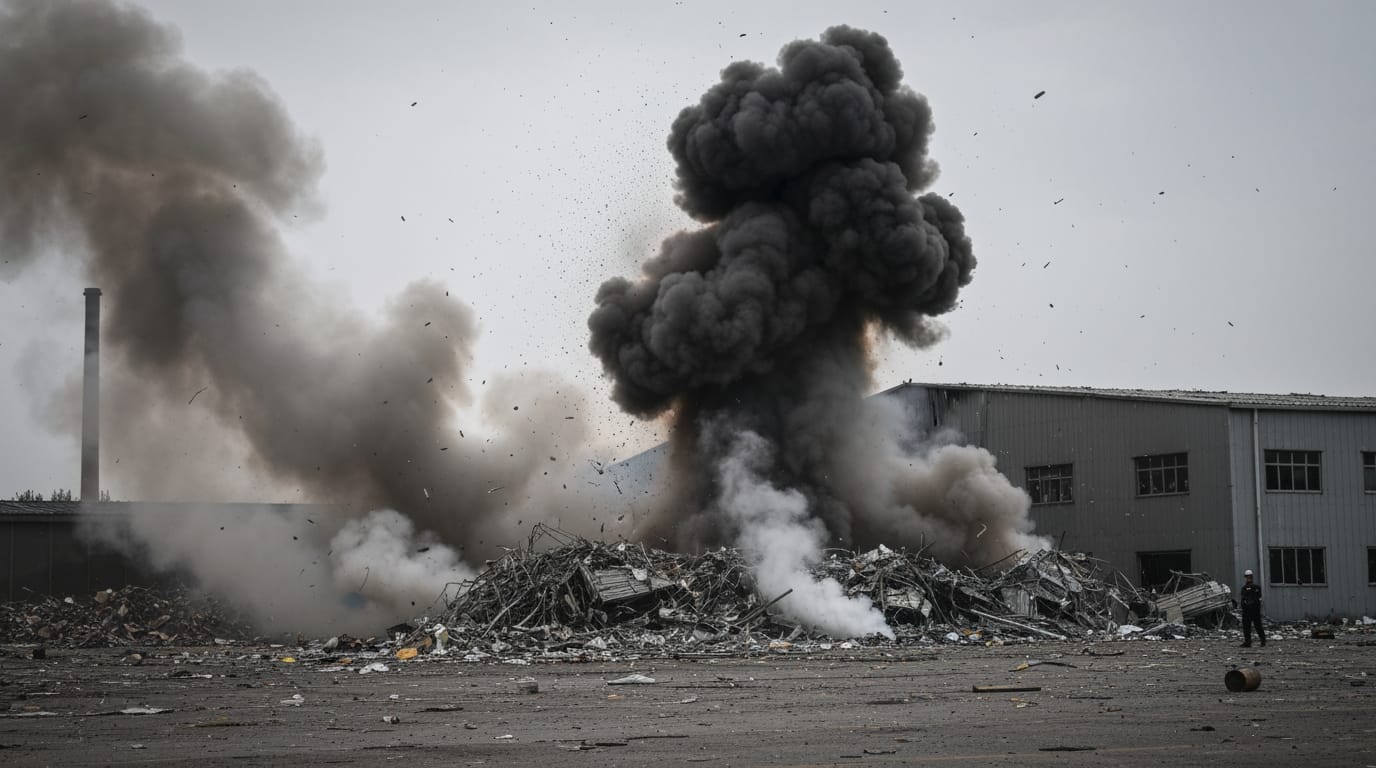
CHANGSHA, China – A catastrophic explosion at a fireworks manufacturing facility in China's central Hunan province has resulted in the deaths of at least 21 individuals and left 61 others injured, casting a somber shadow over the nation's high-risk pyrotechnics industry. The devastating incident, which occurred on Monday afternoon around 4:40 p.m. local time, has prompted a swift and extensive rescue operation, drawing national attention and renewed calls for stringent safety enforcement in a sector plagued by recurring tragedies.
Scene of Devastation and Heroic Response
The blast ripped through the Huasheng Fireworks Manufacturing and Display Company in Changsha city, a locale within Hunan province that serves as a significant hub for global fireworks production. State media reports depicted a scene of widespread destruction, with thick plumes of smoke billowing from the site, collapsed buildings, and debris scattered across the area. The sheer force of the explosion was evident as doors and windows in nearby villages were shattered, and large rocks were reportedly strewn across roads.
In the immediate aftermath, nearly 500 rescuers, including firefighters, medical personnel, and specialized teams, were deployed to the scene to search for survivors and manage ongoing hazards. Authorities swiftly initiated evacuation measures, moving residents from within a three-kilometer radius of the plant due to the high risks posed by two onsite gunpowder warehouses. Robots were also utilized in the hazardous search and rescue efforts, while teams employed spraying and humidification techniques to mitigate the potential for further explosions and fires.
Presidential Directive and Quest for Accountability
The severity of the incident quickly escalated to the highest levels of government. President Xi Jinping issued an urgent directive calling for a thorough and swift investigation into the cause of the blast. He emphasized the need for strict accountability for those responsible for the tragedy and ordered authorities to intensify efforts to locate missing persons and ensure comprehensive treatment for the injured. State media indicated that "control measures" had already been taken against individuals in charge of the company, though specific details of these actions were not immediately released. President Xi's instructions also extended to a broader mandate, urging authorities to strengthen risk screening and hazard control across all key industries to enhance public safety and protect lives and property. This directive follows a pattern where the President often issues "important instructions" after major accidents with fatalities, including a recent call for a nationwide upgrade in China's disaster response capacity.
A Dangerous Industry: Recurring Explosions and Underlying Risks
China stands as the world's largest producer and exporter of fireworks, with its vast industry supporting numerous jobs and significantly contributing to the national economy. In the past year alone, China exported fireworks valued at $1.14 billion, accounting for over two-thirds of global sales. However, this massive scale of operation comes with inherent risks, and factory explosions are a grim, recurring feature of the industry.
The incident in Changsha is not an isolated event. Earlier this year, China reported two deadly explosions at fireworks shops around the Lunar New Year period, which resulted in a total of 20 deaths. Other past incidents highlight a troubling pattern: a 2014 blast in southern China killed 12 people when friction from sweeping highly combustible rice hulls ignited a chain of explosions. Investigations into these disasters often reveal common contributing factors, including improper handling of explosives, the use of outdated equipment, inadequate worker training, and insufficient enforcement of existing safety regulations. Many factories, particularly those located in rural areas, may operate with less stringent oversight, potentially cutting corners on safety in the pursuit of maximizing production output. The highly volatile nature of the materials involved means that a single spark can trigger devastating consequences.
Regulatory Landscape and Enforcement Challenges
The Chinese government has been grappling with the challenge of improving safety and regulation within the fireworks industry. Stricter national regulations on fireworks and firecrackers were set to take effect on May 1, 2026 – just days before the Changsha explosion. These new rules aim to impose more stringent limits on safety, noise levels, and the chemical and explosive content of products. They provide more detailed classifications, technical criteria, and standardized labeling requirements, and even restrict the movement of certain fireworks and ban specific chemical compositions. A nationwide campaign to crack down on the retail and handling of illegal fireworks was also launched this month.
Despite these renewed efforts and the implementation of tougher standards, the recent tragedy underscores the persistent challenges in effectively enforcing regulations and ensuring compliance across the sprawling industry. Historical data indicates that while thousands of fireworks manufacturers and distributors exist, a significant portion previously operated without proper safety permits. The demand for fireworks, particularly around cultural festivals, ensures continuous production, further complicating modernization and the adoption of safer techniques.
The Enduring Human Cost and the Path Forward
The human cost of these explosions extends far beyond the immediate fatalities and injuries. Families are shattered, communities mourn, and survivors often face long-term trauma. The economic disruption is also substantial, with factories destroyed, jobs lost, and supply chains affected. The repeated incidents also damage the reputation of the industry and intensify public calls for stricter controls, and in some cases, even bans on fireworks.
While the economic significance of the fireworks industry to China is undeniable, the ongoing human toll demands unwavering commitment to safety. The investigation into the Changsha explosion will be crucial in identifying specific failures and reinforcing the need for rigorous adherence to safety protocols. Moving forward, the effectiveness of the recently implemented and forthcoming regulations will depend heavily on consistent and uncompromising enforcement, robust worker training, and a fundamental shift towards a culture that prioritizes human life above all else in the volatile world of pyrotechnics production.


