Deadly Blaze Claims 11 Lives, Including Children, at Algerian Orphanage
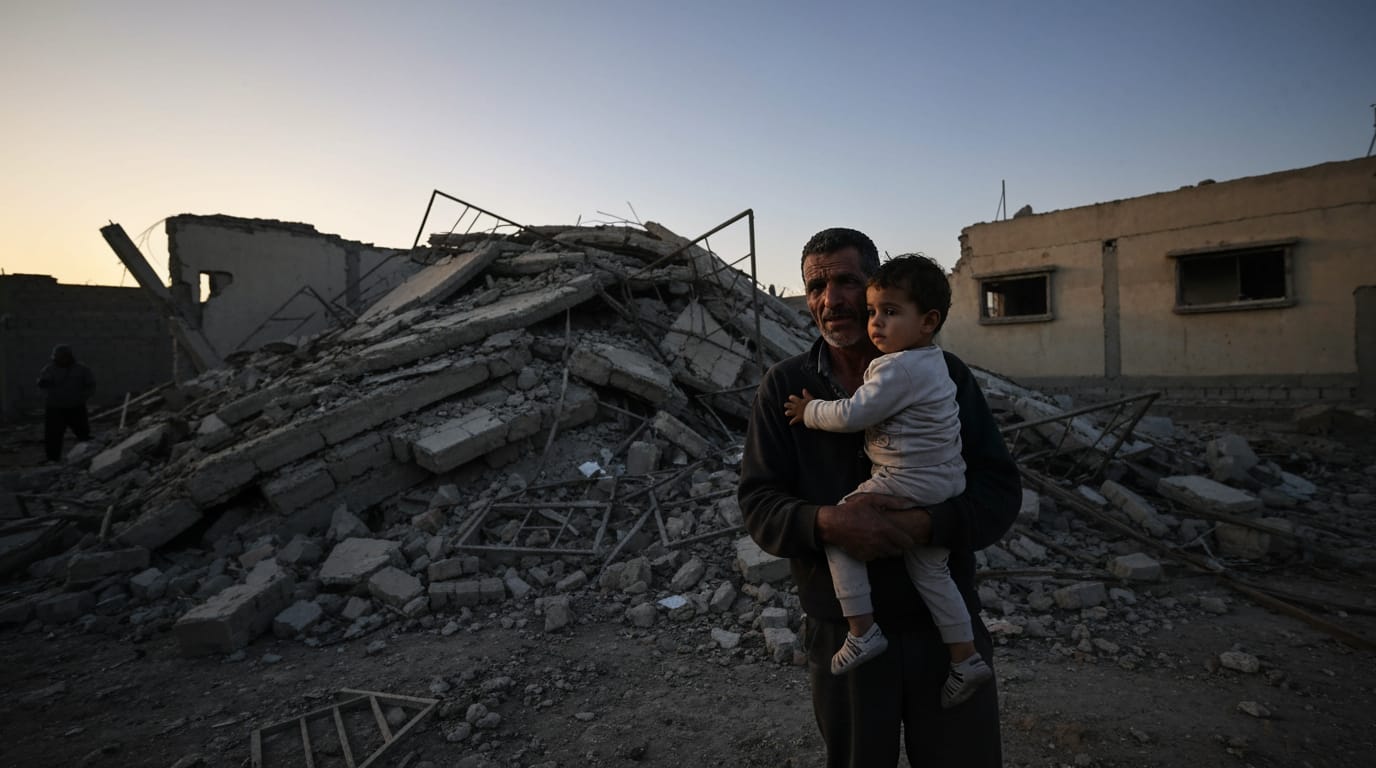
A devastating fire tore through a state-run child welfare facility in Mohammadia, east of Algeria's capital, Algiers, in the early hours of Thursday, July 16, 2026, killing 11 people, among them several children, and injuring 19 others. The tragic incident has plunged the nation into mourning and prompted an immediate investigation into its cause. Emergency services and local residents rushed to the scene to battle the inferno, which has left a community reeling from the profound loss and sparked urgent questions about safety protocols in care institutions.
The "Childhood Relief Institution," a facility dedicated to sheltering and supporting orphans, abandoned minors, and children with special needs, became the epicenter of the tragedy when flames erupted around 3:30 AM local time (02:30 GMT). The predawn blaze caught many residents, particularly the most vulnerable, unprepared, leading to a harrowing struggle for survival. Blackened masonry visible above two window openings behind the exterior gates offered a grim testament to the intensity of the fire. The sheer scale of the emergency required a coordinated response from Algeria's Civil Protection agency, whose units were already stretched thin by a recent surge in fire incidents across the country.
First responders faced a challenging situation, navigating heavy smoke and flames to contain the fire and evacuate residents. Initial efforts focused on rescuing those trapped inside and providing immediate medical attention to the injured. Of the 19 individuals who sustained injuries, 10 suffered burns of varying severity, two experienced severe respiratory distress due from smoke inhalation, and seven were treated for severe psychological shock. Among the crucial rescue operations, emergency crews successfully evacuated five residents with special needs to safety, an effort that highlighted the particular vulnerabilities of the facility's population. Local resident Elias Gabrini, 58, who witnessed the chaotic scene unfold, described it as "truly overwhelming," noting that "seeing this with your own eyes is not easy".
Following the conclusion of firefighting and search operations, the focus has shifted to understanding how such a catastrophic event could occur. Algerian President Abdelmadjid Tebboune expressed his profound condolences in a social media post, acknowledging the "deaths of children and the injuries of others". Prime Minister Sifi Ghrieb promptly visited the Mustapha Pacha University Hospital in Algiers, where many of the injured were being treated, to oversee their medical care and offer support. Both security and judicial authorities have launched comprehensive investigations to determine the precise cause of the fire, which remains unknown at this stage.
The incident comes at a time when Algeria has been grappling with an intense heatwave, contributing to a significant increase in fire activity nationwide. Civil protection units reported extinguishing 913 fires across the country since July 8, according to state news agency APS. While the connection between the prevailing heatwave and the orphanage fire has not been explicitly established, the broader context underscores the heightened fire risk across the region. This tragic event serves as a stark reminder of the urgent need for robust safety measures and regular inspections in institutions caring for vulnerable populations, especially those housing children and individuals with special needs. The loss of young lives in a place intended to be a sanctuary has ignited a collective call for accountability and prevention.
The full impact of this tragedy extends beyond the immediate casualties, leaving an indelible mark on the survivors, staff, and the wider Algerian community. The "Childhood Relief Institution," which served as a home and a source of vital support for many, now faces the daunting task of recovery and rebuilding amidst profound grief. As investigations proceed, the nation awaits answers, hoping to understand the factors that led to this devastating loss and to implement changes that will prevent similar tragedies in the future. The memory of those lost, particularly the children, will undoubtedly fuel renewed efforts to ensure the safety and well-being of all vulnerable residents in state care.


