Deadly Car Bomb Rips Through Northwest Pakistan Checkpoint, Killing 12 Police Officers
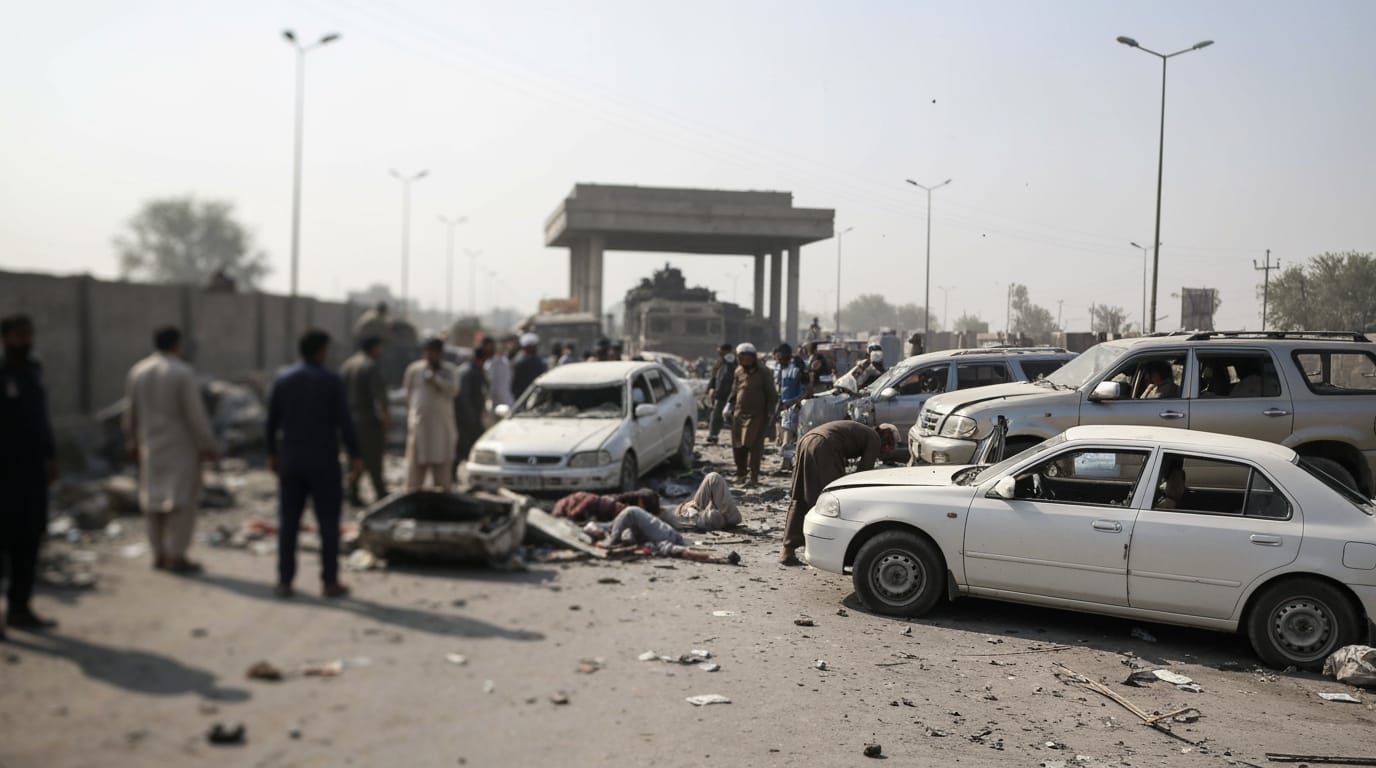
A devastating car bomb attack on a police checkpoint in northwestern Pakistan has resulted in the deaths of at least 12 police officers and left five others wounded, officials reported Sunday. The incident, which occurred late Saturday in the volatile Fateh Khel area of Bannu, underscores the escalating security challenges in the region, particularly along the border with Afghanistan.
The assault began when a suicide bomber rammed an explosives-laden vehicle into the checkpoint, creating an immediate and catastrophic explosion. Following the initial blast, multiple militants reportedly stormed the post, engaging in a firefight with the remaining officers. The attackers utilized heavy weaponry and even small drones, known as quadcopters, during the coordinated assault, highlighting the sophisticated and brutal nature of the operation. One officer remains missing in the aftermath of the attack, which also saw the militants abscond with police personnel and weapons as they retreated from the scene. Excavators were seen clearing rubble from the heavily damaged checkpost on Sunday, a stark visual testament to the intensity of the violence.
Details of a Coordinated and Brutal Assault
The attack unfolded Saturday night in the Fateh Khel area of Bannu, a district located within Pakistan's northwestern Khyber Pakhtunkhwa province. According to Muhammad Sajjad Khan, a police official in Bannu, the sequence of events involved a suicide bomber detonating a vehicle packed with explosives at the police checkpoint. This initial, powerful blast created chaos, which the militants exploited by entering the facility and opening fire on the personnel stationed there. The use of quadcopters by the assailants marks a concerning escalation in tactics, providing them with potential aerial surveillance or even weapon delivery capabilities during the assault. The fatalities primarily comprise police officers who were on duty, with officials confirming 12 deaths and five injuries. The missing officer adds another layer of grim uncertainty to the tragic incident.
A Region Under Siege: Context of Persistent Militancy
Bannu, situated near the Afghan border, has become a focal point for increased militant violence in recent years. This latest attack is part of a broader surge in security incidents across Pakistan's border regions, particularly in the provinces of Khyber Pakhtunkhwa and Balochistan. These areas have historically been plagued by various militant groups, some of whom claim to be defending the rights of Pashtun and Baloch ethnic communities. These groups frequently target Pakistani security forces and civilians, aiming to destabilize the region and challenge state authority. The resurgence of these attacks has significantly worsened the security landscape, posing a consistent threat to law enforcement and the civilian population.
Cross-Border Tensions and Regional Instability
The escalating militant activity has intensified already strained relations between Pakistan and Afghanistan. Islamabad has repeatedly accused the Taliban administration in Afghanistan of providing safe haven to militants operating against Pakistan, an allegation that Kabul consistently denies. This diplomatic impasse has not only fueled cross-border tensions but has also led to retaliatory actions. In recent months, Pakistan has conducted airstrikes within Afghan territory, claiming to target militant hideouts. These actions, coupled with the persistent violence, underscore a complex and precarious regional security environment where domestic militant threats are intertwined with international relations and accusations. The current situation suggests a cycle of violence and mistrust that continues to destabilize the border regions and beyond.
Implications and the Enduring Challenge
The tragic loss of 12 police officers represents a significant blow to Pakistan's efforts to maintain order and combat militancy in its northwestern territories. The coordinated nature of the assault, involving both a car bomb and a subsequent armed incursion, demonstrates the adaptive and dangerous tactics employed by militant groups. The incident serves as a stark reminder of the sacrifices made by security personnel on the front lines of the fight against terrorism.
The continuous cycle of violence in areas like Bannu highlights the enduring challenge for Pakistani authorities. Beyond the immediate grief and calls for justice, the attack necessitates a renewed focus on comprehensive security strategies, intelligence gathering, and regional cooperation to dismantle militant networks. The political ramifications, particularly the ongoing friction with Afghanistan over cross-border militancy, further complicate efforts to achieve lasting peace and stability in a region already grappling with significant humanitarian and developmental challenges. The resilience of the local communities and the unwavering commitment of law enforcement remain crucial in the face of such persistent threats.


