Deadly Drinks: The Dangers of Counterfeit Alcohol in Turkey
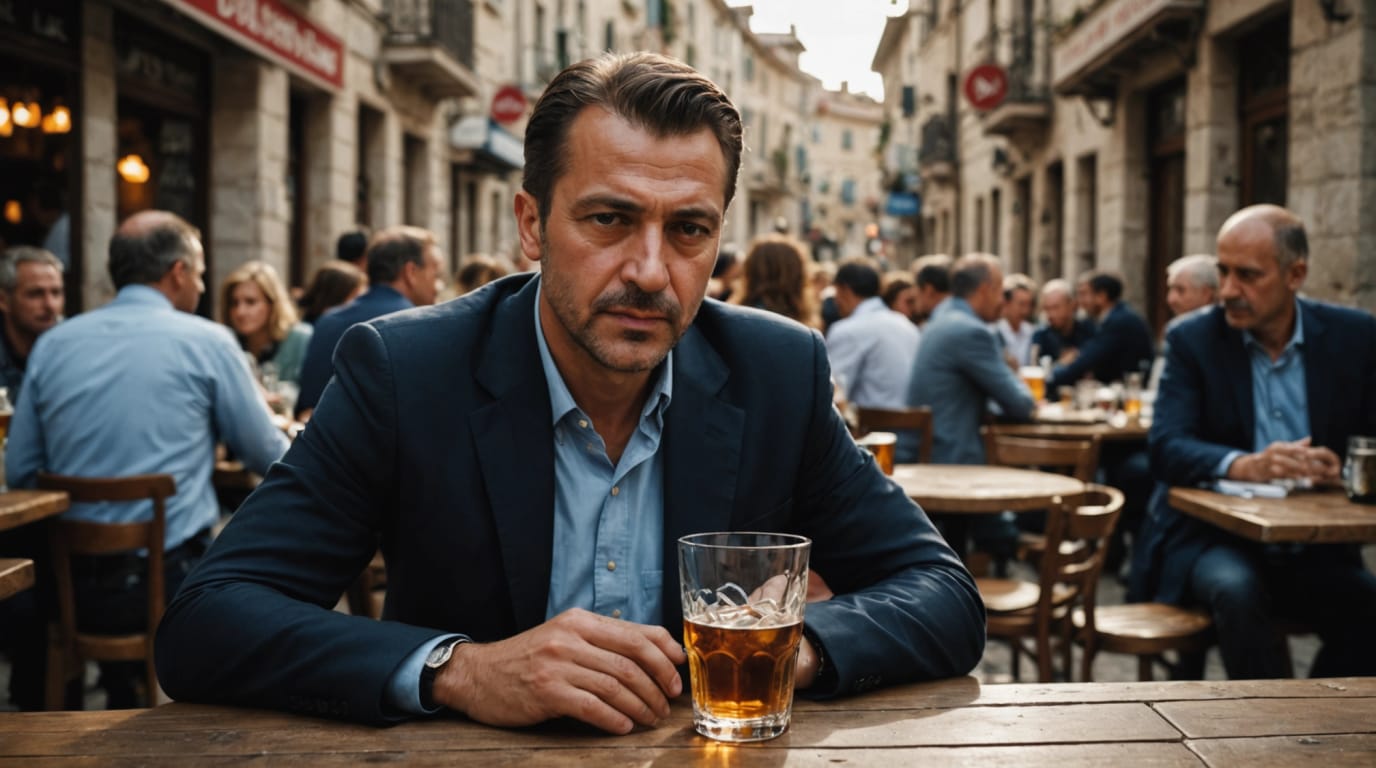
For tourists and locals alike, the simple act of enjoying a drink in Turkey has become fraught with danger. A surge in the production and sale of counterfeit alcohol has led to mass poisonings and deaths, turning a social pastime into a potentially fatal gamble. The crisis, fueled by high taxes on legal alcohol and a thriving black market, has prompted warnings from international authorities and cast a shadow over Turkey's tourism industry.
A Rising Death Toll
Since the start of 2025, the consequences of consuming bootleg alcohol have been devastating. As of mid-February, at least 124 people have died in Istanbul and Ankara, with over 230 hospitalized, 40 of whom are in critical condition. These numbers reflect a grim reality: the consumption of illegally produced alcohol is a gamble with potentially deadly consequences. The U.S. Embassy in Ankara issued a health alert on January 21, 2025, warning of the increasing frequency of deaths from counterfeit alcohol in Turkey.
The Culprit: Methanol Poisoning
The primary cause of these deaths is methanol poisoning. Illicit alcohol producers often substitute ethanol, the safe alcohol found in legitimate beverages, with methanol, a toxic industrial chemical. Methanol, also known as wood spirit, is a cheaper alternative that increases the alcohol content, making the drink seem stronger and boosting profits for the producers. However, methanol is extremely dangerous; ingesting even small amounts can cause blindness, liver damage, and death. Symptoms of methanol poisoning include nausea, vomiting, abdominal pain, breathing difficulties, confusion, and dizziness. Further symptoms, appearing 12 to 48 hours later, can include headaches, blurred vision, sensitivity to light, tunnel vision, seizures, and coma.
Economic Factors and Government Regulations
Several factors contribute to the prevalence of counterfeit alcohol in Turkey. Soaring inflation and heavy government taxes have driven up the prices of legal alcoholic beverages, making them unaffordable for many. As a result, people turn to cheaper alternatives, increasing the risk of poisoning from toxic substances. Since 2013, Turkey has forbidden advertisements promoting alcohol, prohibited alcoholic brands from sponsoring events, and banned scenes depicting alcohol use in media. These restrictions, coupled with rising prices, have inadvertently fueled the black market for alcohol. As of 2025, a liter of Raki, a traditional Turkish anise-flavored liquor, costs approximately 1,300 lira (US$37.20) in legal retail outlets, a significant expense relative to the nation's minimum wage of 22,104 lira (US$600) per month.
Government Response and Tourist Advisories
Turkish authorities have launched an extensive crackdown on counterfeit alcohol production and distribution. Mandatory cameras have been installed in shops selling alcohol, and regular inspections are being carried out. Some alcohol sellers have had their licenses suspended or revoked. Authorities have seized large quantities of methanol and bootleg alcohol and have arrested numerous individuals suspected of involvement in the illicit trade. The Governor of Istanbul's office has stated that those who cause the death of citizens by producing or selling fake alcohol are no different from terrorists.
Several countries have issued travel advisories warning tourists about the dangers of counterfeit alcohol in Turkey. The UK Foreign, Commonwealth & Development Office (FCDO) and the U.S. Embassy in Ankara have updated their websites to advise visitors to only buy alcoholic beverages from licensed liquor stores or licensed bars and hotels, to avoid homemade alcoholic drinks, to check bottle seals are intact, and to check labels for poor print quality or incorrect spelling.
Precautions and Prevention
To protect themselves from the dangers of counterfeit alcohol, both tourists and residents should take the following precautions:
- Buy alcohol only from licensed and reputable establishments: Stick to licensed liquor stores, bars, hotels, and markets.
- Avoid homemade alcohol: Refrain from consuming home-brewed or unbranded alcoholic beverages.
- Check bottle seals and labels: Ensure that bottle seals are intact and that labels are of high quality, with no misspellings or signs of tampering.
- Be wary of unusually cheap alcohol: If the price seems too good to be true, it probably is.
- Know the symptoms of methanol poisoning: Seek immediate medical attention if you experience any symptoms after consuming alcohol.
A Crisis Demanding Action
The counterfeit alcohol crisis in Turkey is a complex problem with significant public health and economic implications. While authorities are taking steps to combat the issue, the underlying factors, such as high taxes and the demand for cheap alcohol, need to be addressed. Until effective measures are in place to control the illegal alcohol trade, travelers and locals alike must remain vigilant and prioritize their safety when consuming alcohol in Turkey. The simple act of having a drink should not be a matter of life or death.


