Deadly Encounter: Cuban Coast Guard Sinks U.S.-Registered Speedboat, Killing Four
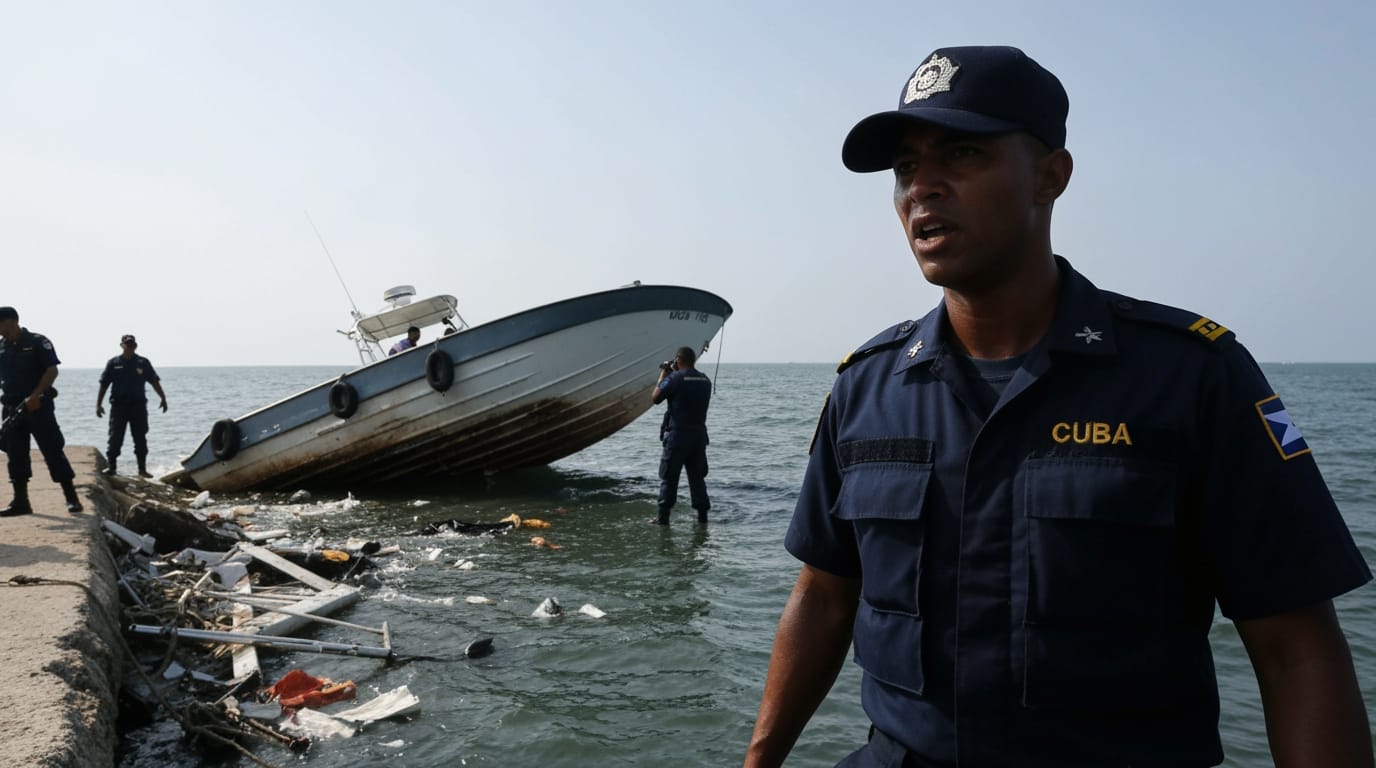
HAVANA – A deadly confrontation unfolded in Cuban territorial waters Wednesday when the Cuban Border Guard Troop engaged a U.S.-registered speedboat, resulting in the deaths of four individuals aboard the American vessel and injuries to six others. The incident, which also left a Cuban commander wounded, has escalated tensions between the United States and the communist island nation, drawing immediate international attention to the long-strained bilateral relationship.
The Confrontation at Cayo Falcones
According to an official statement from Cuba's Ministry of the Interior, the fast-moving vessel, identified as a Florida-registered speedboat with the registration number FL7726SH, was detected operating approximately one nautical mile northeast of the El Pino channel near Cayo Falcones, off Cuba's northern coast, within Cuban territorial limits. Cuban border guards reportedly approached the speedboat with the intention of identification. However, Cuban authorities claim that the occupants of the American vessel initiated gunfire, wounding the commander of the Cuban patrol boat. In response, Cuban forces returned fire, leading to the fatal shooting of four individuals on the speedboat. Six other passengers on the U.S.-registered vessel sustained injuries during the exchange and were subsequently evacuated to receive medical attention. The identities of the deceased and injured from the speedboat have not yet been publicly released, nor has their precise motivation for being in Cuban waters.
Cuba's Stance on Territorial Sovereignty
The Cuban Ministry of the Interior swiftly issued a statement following the incident, reaffirming its commitment to protecting its territorial waters. The ministry emphasized that national defense remains a fundamental pillar of the Cuban state, crucial for safeguarding its sovereignty and stability in the region. This assertion underscores Cuba's long-standing position on maritime jurisdiction and its readiness to respond to perceived threats within its borders. The Cuban government indicated that an investigation is underway to fully clarify the events that transpired. International maritime law generally grants coastal states the right to use force in response to threats within their territorial waters, particularly if a vessel engages in hostile actions. However, the sequence of events, including who fired first, will be a critical element in any potential international scrutiny of the incident.
Unanswered Questions and U.S. Response
As details emerge, several critical questions remain unanswered. The purpose of the Florida-registered speedboat's presence in Cuban territorial waters and the intentions of its occupants are currently unknown. While Cuba has presented its account of the events, independent verification of the confrontation, including radar tracking, radio communications, and ballistic evidence, will be crucial to ascertain the full picture. The U.S. State Department had not immediately responded to requests for comment regarding the incident, further adding to the ambiguity surrounding the event. The lack of immediate comment from U.S. officials highlights the sensitivity and potential diplomatic ramifications of such a deadly maritime encounter involving vessels from both nations. The registration of the speedboat as Florida-based suggests a direct link to the United States, raising questions about the background of the individuals involved and potential implications for U.S. citizens.
Heightened Tensions and the Maritime Corridor
This tragic incident occurs amidst a period of already heightened tensions between the United States and Cuba. Relations have been particularly strained, with the Trump administration having implemented policies that significantly impacted Cuba's economy, including what some describe as a "naval blockade" and a drastic reduction in the island's access to vital fuel supplies. These economic pressures have exacerbated an already challenging situation in Cuba, leading to a significant increase in migratory flows from the island. While many Cubans seek to leave by air or through other overland routes, a notable number continue to attempt the perilous 90-mile journey across the Florida Straits by sea, often in makeshift or precarious vessels.
The U.S. Coast Guard frequently interdicts Cuban migrants at sea, repatriating thousands annually. These routine interdictions, while distinct from Wednesday's violent encounter, underscore the constant maritime activity and the inherent risks in the waters separating the two countries. Previous incidents, such as a collision in 2022 between a boat heading toward the U.S. and a Cuban coastguard vessel that resulted in five deaths, have tragically illustrated the dangers of these maritime passages. However, the latest event involving an alleged exchange of gunfire and a U.S.-registered speedboat marks a severe escalation in the nature of maritime encounters between Cuban forces and foreign vessels.
Implications for a Fractured Relationship
The deadly confrontation off Cayo Falcones injects a new layer of complexity into the already fractured relationship between the United States and Cuba. The Cuban government's firm stance on defending its sovereignty, coupled with the deaths of individuals on a U.S.-registered vessel, creates a volatile situation that demands careful diplomatic handling. While investigations are underway to determine the precise circumstances of the shooting, the incident is likely to intensify scrutiny of maritime activities in the region and could further entrench the distrust and animosity that have characterized U.S.-Cuba relations for decades. The path forward will require transparent communication and a commitment to de-escalation to prevent further loss of life and avoid a deeper diplomatic crisis.


