Deadly Israeli Airstrikes Kill 11 in Southern Lebanon, Imperiling Fragile Truce
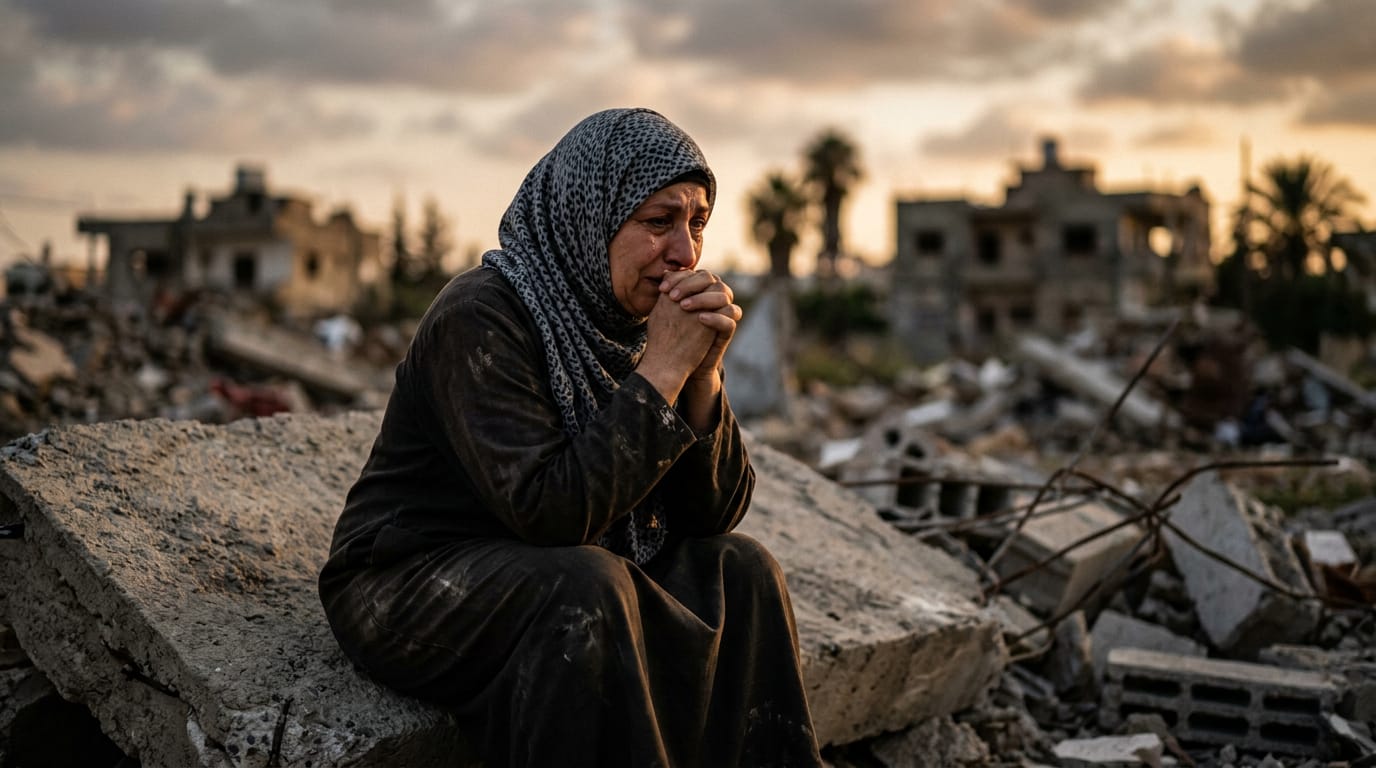
BEIRUT, Lebanon – Israeli airstrikes in southern Lebanon on Saturday claimed the lives of at least 11 individuals, including three children and two women, and wounded 19 others, marking the deadliest escalation since a fragile truce took effect in June. The lethal bombardments struck residential areas in the villages of Ansar and Deir al-Zahrani, intensifying fears of a wider conflict in a region already grappling with prolonged instability. Lebanese officials swiftly condemned the attacks, asserting that they undermine ongoing US-sponsored efforts to stabilize the volatile border, while the Israeli military maintained its operations targeted Hezbollah infrastructure in response to earlier aggression.
Residential Areas Targeted in Morning Assaults
The predawn hours of Saturday brought devastating Israeli airstrikes to southern Lebanon, with rescue workers immediately deployed to search for survivors amidst the rubble. One strike hit a home on the outskirts of Ansar, a village north of Tyre, killing seven people and flattening the building. Among the deceased in Ansar were three children and two women, a detail highlighted by Lebanese Prime Minister Nawaf Salam, who stated, "The seven martyrs of the Israeli airstrike on the town of Ansar are not military infrastructure and the children and women killed were not military targets." Hours later, another strike targeted a home in Deir al-Zahrani, north of Nabatieh, killing four more individuals and wounding 17 others, including a child and 11 women. The Lebanese Health Ministry and state news media reported a combined total of 11 fatalities and 19 injuries from the two incidents. The impact of the strikes was immediate and profound, with residents fleeing villages in southern Lebanon, choking roads with traffic as they sought safety further north. Al Jazeera's reporting from Nabatieh indicated that the attacks had significantly increased fear among residents in an area previously considered relatively safe.
Competing Narratives: Lebanese Condemnation vs. Israeli Justification
Lebanese authorities reacted with vehement condemnation of the airstrikes, framing them as a deliberate attempt to derail diplomatic efforts. Lebanese President Joseph Aoun accused Israel of sending a "clear message" ahead of the upcoming eighth round of US-sponsored negotiations between the two nations, which are slated to take place in Rome. President Aoun's office issued a statement condemning what he described as "ongoing Israeli attacks" on southern Lebanon and "repeated violations of the framework agreement" and international law protecting civilians. Prime Minister Salam echoed these sentiments, calling the attacks "extremely dangerous" and a disruption to efforts to stabilize the situation in the south. He underscored that the security and right to life of the Lebanese people were "not subject to negotiation or bargaining," urging Israel to halt the escalation.
In contrast, the Israeli Defense Forces (IDF) confirmed launching airstrikes in southern Lebanon, stating that they targeted Hezbollah infrastructure in the Nabatieh and Ansar areas. The IDF asserted that these operations were a direct response to an attack by the "Hezbollah terror organization" against Israeli troops in the Ali Taher Ridge area, located within a security zone where IDF forces operate. The military, however, did not immediately provide specific details regarding the Hezbollah attack that prompted its retaliation, nor did it comment directly on the Deir al-Zahrani strike. The Israeli military spokesperson, Ella Waweya, stated that Israel had attacked "Hezbollah infrastructure" in the designated areas. This divergence in narratives highlights the deep-seated mistrust and conflicting interpretations of events that continue to fuel the cycle of violence in the region.
A Fragile Truce and Escalating Tensions
The recent deadly strikes shatter a precarious calm that had largely held since a US-mediated framework agreement and a subsequent truce went into effect in June 2026. This agreement outlined a plan for Israeli forces to withdraw from southern Lebanon in exchange for Hezbollah's disarmament, envisioning steps towards an eventual peace agreement between Israel and Lebanon, which technically remain in a state of war. However, Hezbollah, a powerful Iran-backed militant group, was not a party to the agreement and has explicitly rejected calls for its disarmament, with its leader, Naim Qassem, labeling the framework as an Israeli dictate accepted by Lebanese authorities.
The current escalation is rooted in a much broader conflict that reignited on March 2, when Hezbollah fired rockets into Israel, two days after the United States and Israel launched attacks on Iran. This followed an earlier phase of hostilities that began on October 8, 2023, a day after Hamas's attack on southern Israel, which led to a full Israeli ground invasion of southern Lebanon in March 2026. Since the latest round of hostilities began, approximately 4,300 people have been killed in Lebanon, and around 40 Israeli soldiers and three civilians have died on the Israeli side. Despite the June truce, Israel has conducted several strikes in Lebanon, maintaining that it targets Hezbollah infrastructure and responds to threats. Earlier in August, two Israeli soldiers were killed in an explosion in southern Lebanon, marking the first Israeli fatalities there since the June truce, although Hezbollah did not claim responsibility. These incidents underscore the persistent fragility of the ceasefire and the enduring potential for rapid escalation.
Regional Implications and Humanitarian Impact
The renewed violence carries significant implications for regional stability and the ongoing diplomatic efforts. Lebanese President Aoun's characterization of the Israeli strikes as a "clear signal for the negotiation process and American efforts" suggests a deep concern that these actions could sabotage the fragile peace process. Hezbollah, for its part, has stated that the Israeli attacks "will be met with an appropriate response," further fueling anxieties about a potential cycle of retaliation. The framework agreement's success hinges on de-escalation and trust-building, both of which are severely undermined by civilian casualties and strikes on populated areas.
Beyond the political and military ramifications, the humanitarian impact is immediate and profound. The displacement of residents from southern Lebanese villages following the airstrikes highlights the constant threat under which communities live. The tragic deaths of children and women serve as a stark reminder of the human cost of the ongoing conflict, placing immense pressure on rescue services and local authorities. The international community has consistently called for restraint and adherence to international humanitarian law to protect civilians, yet the recent events demonstrate the persistent challenges in achieving lasting peace and security in the volatile border region.
A Precarious Path Forward
Saturday's deadly airstrikes in southern Lebanon represent a significant setback for the already precarious peace in the region. The tragic loss of civilian lives, including children, intensifies the humanitarian crisis and fuels regional anger, complicating diplomatic efforts aimed at a long-term resolution. While Israel cites self-defense and targeting of militant infrastructure, Lebanon condemns the attacks as breaches of sovereignty and international law, jeopardizing the fragile truce and US-sponsored negotiations. The escalating cycle of violence underscores the urgent need for a robust and enforceable ceasefire and a comprehensive political solution to prevent further bloodshed and stabilize the volatile border between the two nations. The path forward remains fraught with challenges, with the recent events serving as a grim testament to the enduring instability that grips the Middle East.