Deadly Methane Blast Claims Dozens of Lives in Pakistan Coal Mine, Renewing Calls for Safety Reform
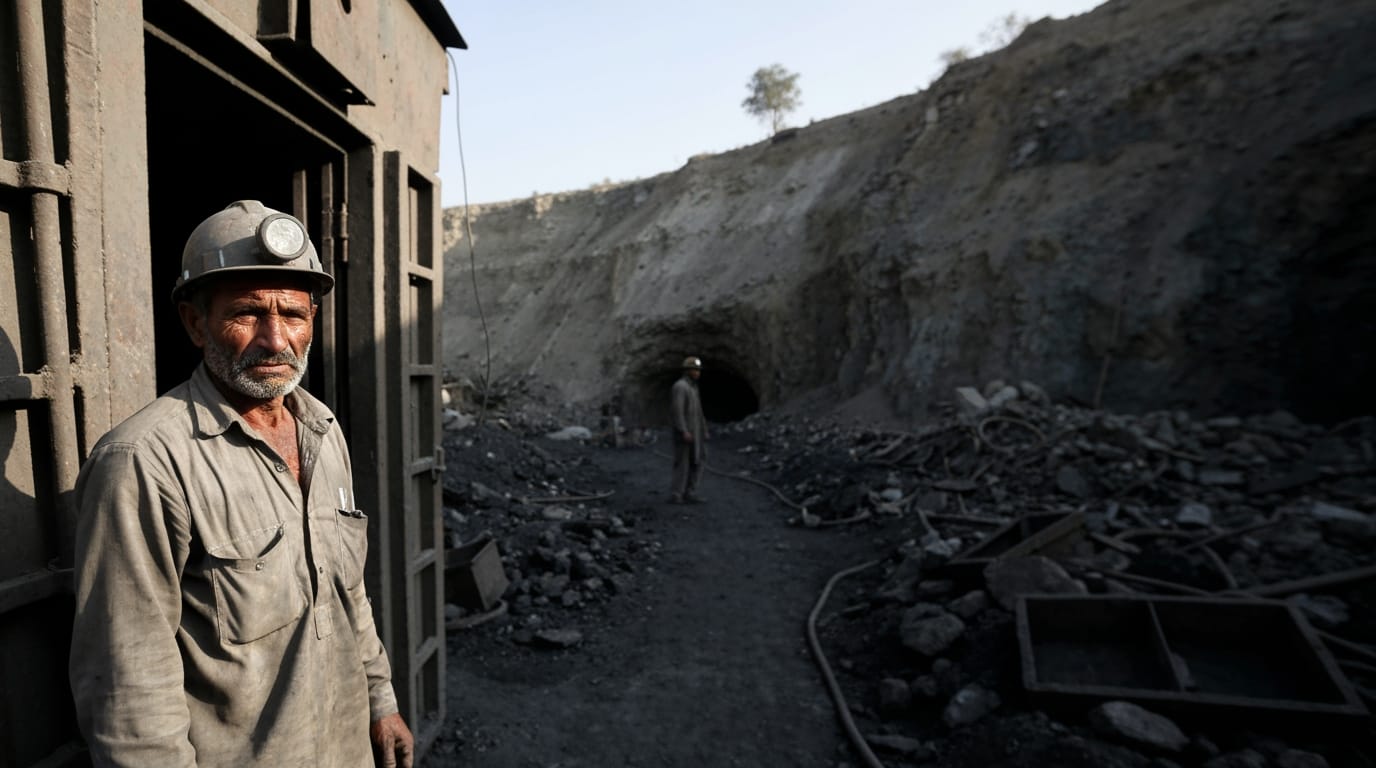
QUETTA, Pakistan – A devastating methane gas explosion ripped through a coal mine complex near Quetta in Pakistan's southwestern Balochistan province on Thursday, July 30, 2026, claiming the lives of at least 34 miners and renewing urgent calls for enhanced safety measures in the nation's perilous mining industry. The blast, which occurred on the outskirts of the provincial capital in a remote area known as Sorange, also trapped an additional 10 miners underground, with rescue efforts continuing under increasingly grim conditions.
The Disaster Unfolds Beneath Balochistan
The catastrophic incident unfolded Thursday afternoon when a buildup of methane gas ignited deep within the subterranean network of a private coal mine. Government mine inspector Ghani Baloch confirmed that the explosion was apparently triggered by this volatile gas accumulation. The force of the blast was so severe that it damaged two adjacent mines, trapping a total of 42 laborers, according to initial estimates. The immediate aftermath saw rescue teams recover seven bodies, followed by an additional 25, bringing the confirmed death toll to 32 by early Friday. As Friday progressed, the Provincial Disaster Management Authority updated the figure to 34 recovered bodies, with operations still underway to locate and retrieve the remaining two individuals.
A Desperate Race Against Time and Toxic Conditions
Rescue teams, comprising personnel from the Mines and Minerals Department and the Provincial Disaster Management Authority, launched a complex operation under immensely challenging conditions. The explosion occurred at a depth of approximately 4,000 feet, where rescuers are battling not only the physical aftermath of the collapse but also the presence of fire and dangerously high levels of toxic gases, which significantly deplete oxygen. Mine inspector Ghani Baloch acknowledged the rapidly diminishing hopes of finding any survivors, stating that oxygen levels drop to zero after such methane explosions, forcing rescuers to proceed with extreme caution. Relatives of the trapped miners gathered anxiously at the mine entrance, awaiting any news, as authorities began the solemn process of handing over recovered bodies to their families for burial.
Decades of Negligence: A Recurring Tragedy
This latest tragedy casts a harsh light on the persistently hazardous conditions prevalent in Pakistan's coal mining sector, particularly in Balochistan. Deadly accidents are a distressingly common occurrence, largely attributed to a systemic lack of adequate ventilation, rudimentary gas monitoring systems, and other critical safety measures in many mines. Labor unions, including the Pakistan Central Mines Labour Federation, have long accused mine owners of failing to enforce safety regulations and neglecting to provide essential protective equipment to their workforce. This negligence, they assert, was likely a contributing factor to Thursday's explosion.
Statistics paint a grim picture of the industry's toll. Between 2010 and 2018, 53 accidents in Pakistan's underground coal mines resulted in 312 fatalities, with Balochistan accounting for 28 accidents and 219 deaths during that period. Another estimate indicates that over 430 coal miners have died since 2010, a figure that may be an underestimation due to under-reporting and the informal nature of many operations. In 2020 alone, approximately 100 coal miners were killed in 72 accidents within Balochistan province. Despite these life-threatening risks and often meager wages, thousands of individuals in Balochistan, Pakistan's largest yet least developed province, rely on coal mining for their livelihoods, facing widespread unemployment and poverty.
Calls for Accountability and Lasting Reform
In response to the disaster, Balochistan's Minister for Mines and Minerals, Shoaib Nosherwani, extended condolences to the victims' families and announced that the provincial government would provide compensation of 500,000 Pakistani rupees (approximately $1,800 USD) to the family of each miner killed. He also pledged a thorough investigation into the cause of the explosion and a review of existing mining safety measures. Balochistan Chief Minister Sarfraz Bugti further vowed strict action should any negligence or misconduct be uncovered.
However, labor unions emphasize that such promises must translate into concrete action. The Pakistan Central Mines Labour Federation has urged the government to rigorously enforce safety regulations and impose stringent penalties on companies that violate mine safety laws. Industry experts and labor advocates continue to call for Pakistan to ratify and implement the International Labour Organization's Convention 176 on Safety and Health in Mines, believing it to be a crucial step towards preventing future tragedies and safeguarding the lives of the nation's miners.
The methane explosion near Quetta serves as a poignant reminder of the human cost exacted by an industry grappling with chronic safety deficiencies. As families mourn their lost loved ones, the focus intensifies on whether this latest catastrophe will finally spur the comprehensive reforms necessary to ensure that miners, vital to Pakistan's energy sector, no longer pay the ultimate price for their perilous work.


