Deadly Prison Clashes Rock Sri Lanka, Dozens Dead and Injured in Negombo
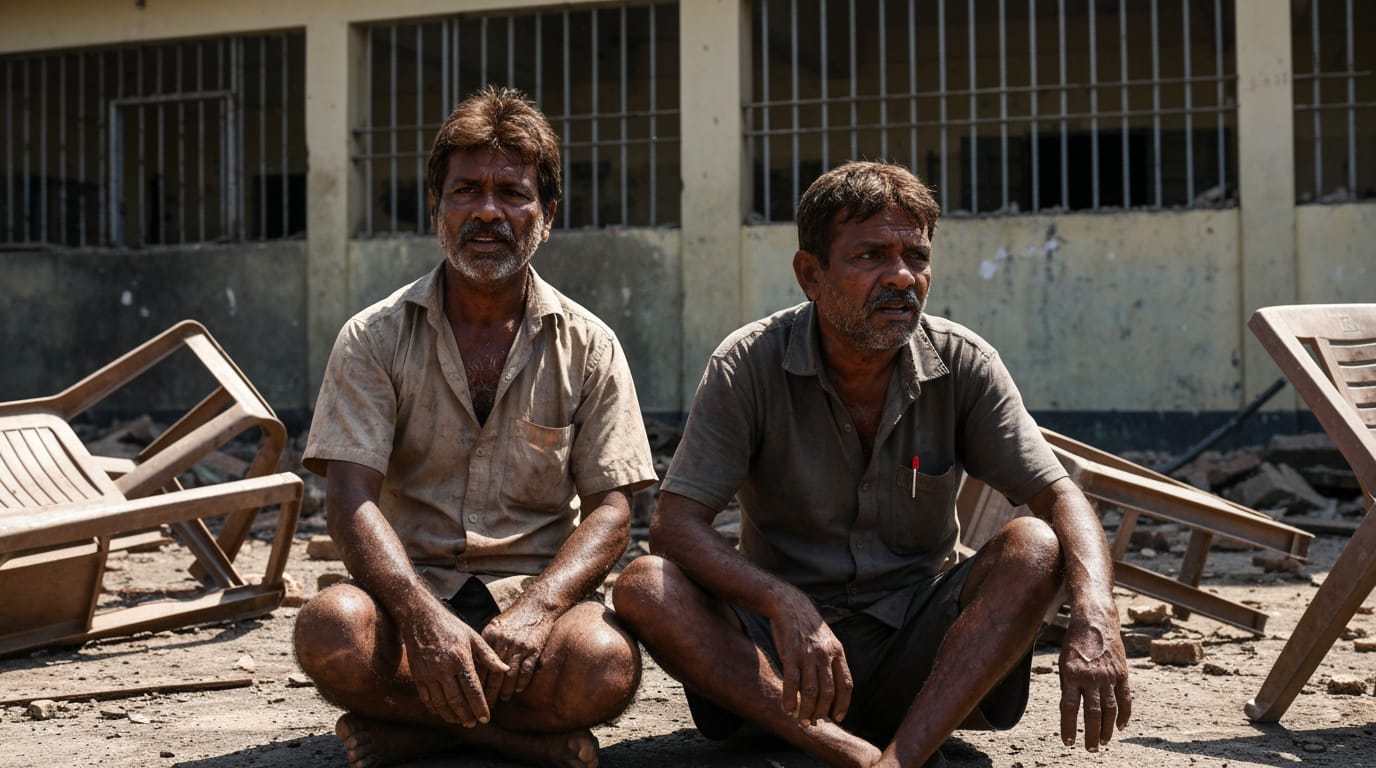
COLOMBO – At least 25 individuals are dead and approximately 100 others have been injured following two days of intense clashes at Sri Lanka's Negombo Prison, a facility located just 35 kilometers north of the commercial capital, Colombo. The widespread unrest, which began on Sunday between rival inmate groups, escalated significantly by Monday, prompting a massive deployment of security forces, including police, the Police Special Task Force (STF), and even air surveillance, to bring the volatile situation under control. The tragic event marks one of the most severe prison disturbances in recent Sri Lankan history, leaving authorities grappling with a complex investigation into its origins and implications.
Escalation of Violence Within Prison Walls
The initial outbreak of violence at Negombo Prison reportedly occurred on Sunday when clashes erupted between convicted prisoners and those awaiting trial or under detention. Reports indicated that this initial confrontation led to the deaths of two inmates and injuries to 38 others, with the situation momentarily brought under control by evening. However, the calm proved short-lived. By Monday morning, fresh unrest flared with renewed ferocity, leading to a dramatic increase in casualties. Media reports suggest rioting prisoners may have seized firearms, further escalating the danger and complexity of the situation. By the end of Monday, the cumulative death toll had tragically risen to at least 25, encompassing both inmates and prison officials, with around 100 individuals requiring medical attention at local health facilities. Hospital sources, including the Director of Negombo Hospital, Dr. Pushpa Gamlathge, confirmed the high number of fatalities and injuries, with some critically wounded individuals transferred to the National Hospital in Colombo.
A Coordinated Security Response
In response to the rapidly deteriorating situation, Sri Lankan authorities initiated a comprehensive security operation. The government quickly deployed soldiers to the vicinity of Negombo Prison, while police officers were authorized to open fire in an effort to contain the raging clashes between inmates and prison staff. The Police Special Task Force (STF) and riot control units were directly deployed inside the prison premises to quell the disturbances and restore order. Aerial surveillance was also utilized, with the Sri Lanka Air Force deploying a Bell 412 helicopter and drones to monitor the conditions within the prison and provide crucial support to ground personnel. This multi-faceted response highlighted the severe challenge faced by security forces in bringing the extensive unrest under control. After hours of intense effort, security authorities eventually declared the situation to be under control, though the aftermath of the violence left a scene of devastation and a somber count of the dead and injured.
Unraveling the Cause: Allegations of Gang Rivalry
Preliminary investigations into the tragic events at Negombo Prison point towards a severe rivalry between drug trafficking gangs operating within the correctional facility as a primary catalyst for the violence. Sources indicate that clashes erupted between a group allegedly involved in drug activities and another faction opposed to such operations. This allegation underscores a persistent challenge faced by prison systems globally: the presence and influence of organized crime within correctional facilities. While the specific trigger for the two-day confrontation remains under intense scrutiny, the involvement of deeply entrenched criminal networks could explain the ferocity and scale of the violence witnessed. The Prisons Department Media Spokesman, A.C. Gajanayake, confirmed that a special investigation has been launched, with a dedicated team appointed by the Commissioner General of Prisons tasked with conducting a comprehensive inquiry into the incident. Separately, the Justice Minister, Harshana Nanayakkara, has demanded a detailed report, and a magisterial inquiry was also initiated. These multiple lines of investigation aim to fully uncover the sequence of events, identify those responsible, and determine any systemic failures that may have contributed to the tragedy.
Broader Implications for Sri Lanka's Correctional System
The deadly clashes at Negombo Prison cast a harsh spotlight on the broader challenges facing Sri Lanka's correctional system. While specific details on overcrowding at Negombo Prison were not immediately available, such conditions often exacerbate tensions and can contribute to the rapid escalation of conflicts within prison walls. The alleged involvement of drug gangs also highlights the significant struggle to maintain control over illicit activities within prisons, which can undermine rehabilitation efforts and endanger both inmates and staff. The high casualty count, including prison officials, underscores the inherent dangers faced by those working in these environments. This incident will likely prompt a re-evaluation of security protocols, intelligence gathering capabilities within prisons, and strategies to counter the influence of criminal organizations behind bars. It also brings to the forefront the need for ongoing reforms and increased resources to ensure the safety and proper management of correctional facilities across the nation.
The aftermath of the Negombo Prison tragedy demands a thorough and transparent accounting of the events that led to such a devastating loss of life. As investigations continue, the focus remains on understanding the full scope of the violence and implementing measures to prevent a recurrence. The human toll serves as a stark reminder of the complexities and vulnerabilities within the prison system, urging immediate and sustained efforts towards reform and enhanced security to safeguard all within its confines.


