Deadly Stampede Claims Dozens at Haiti's Historic Citadelle Laferrière
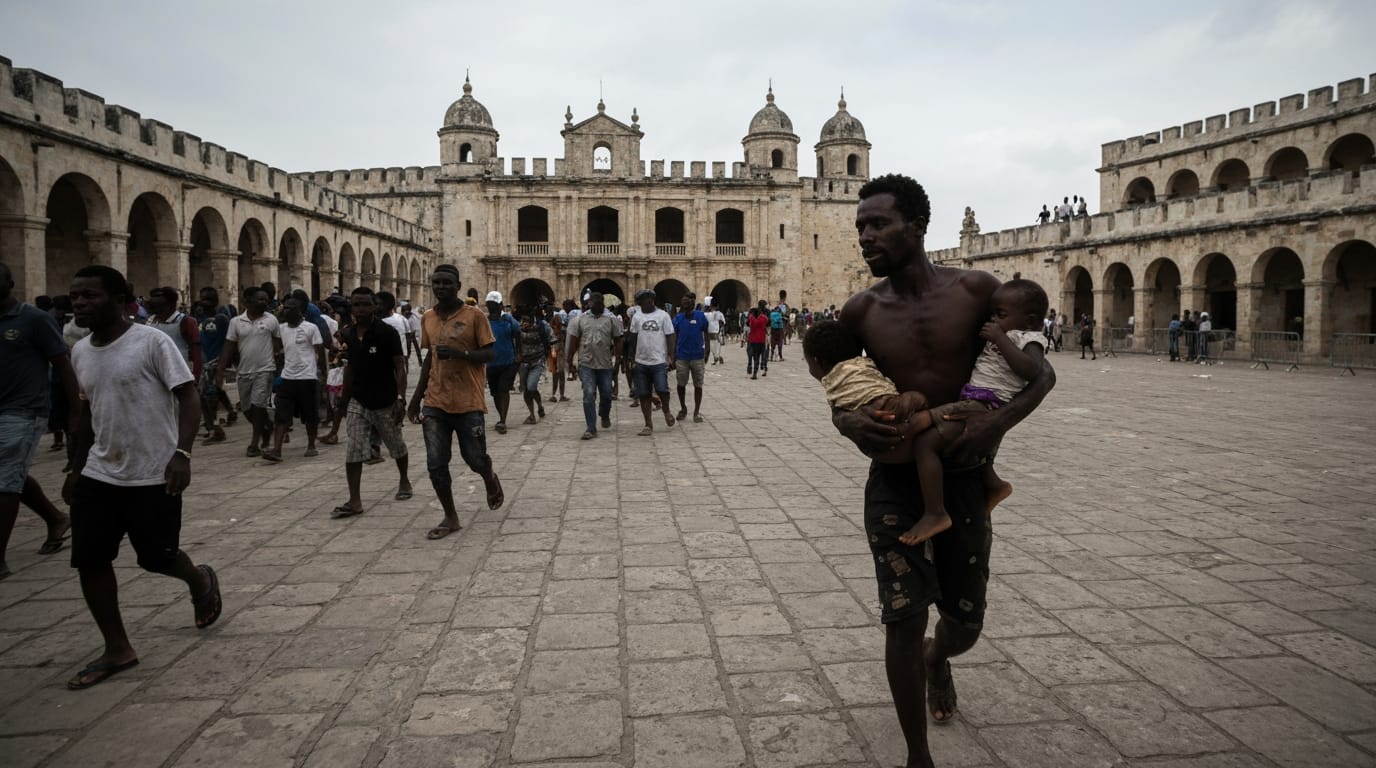
A devastating stampede at Haiti's iconic Citadelle Laferrière, a UNESCO World Heritage site, has left at least 30 people dead and several dozen injured. The tragic event occurred on Saturday, April 11, 2026, as thousands of students and visitors gathered for an annual celebration at the early-19th-century fortress in the northern countryside of Haiti. The incident, exacerbated by heavy rain, unfolded at the entrance to the historic site, turning a day of cultural festivities into a scene of profound grief and chaos.
The Catastrophe at Citadelle Laferrière
The tragedy struck on a Saturday, a day meant for revelry and reflection at one of Haiti's most cherished historical landmarks. The Citadelle Laferrière, an imposing fortress built shortly after Haiti declared independence from France, was reportedly packed with a large crowd attending its annual celebration. According to Jean Henri Petit, head of Civil Protection for Haiti's Nord Department, the stampede took place at the entrance to the site. Initial reports indicate that visitors became severely crammed against a single entry point, leading to a scuffle between those attempting to enter and those trying to leave. The situation was further compounded by heavy rainfall, which likely made conditions more perilous and difficult to manage. Local media also circulated rumors suggesting that police in Milot may have used tear gas to disperse a fight near the Citadelle, potentially triggering the panic and subsequent stampede. The exact number of injured remains unclear, but reports suggest several dozen people were transported to hospitals, and authorities have warned that the death toll could still rise.
A Beloved Landmark Tarnished by Tragedy
The Citadelle Laferrière, often simply referred to as the Citadelle, stands as a powerful symbol of Haitian liberty and resilience. Constructed between 1805 and 1820 by Haitian King Henri Christophe, it was designed to defend the newly independent nation from potential French incursions. Perched atop the Bonet a L’Eveque mountain, the fortress offers panoramic views of the surrounding area and has long been a major tourist draw. As a UNESCO World Heritage site, it attracts both domestic and international visitors, particularly during its annual celebrations. These events typically draw large numbers, including many young people and students, eager to connect with Haiti's rich history and cultural heritage. The festive atmosphere that usually characterizes such gatherings was shattered by the sudden onset of the stampede, transforming a place of national pride into a site of profound sorrow.
Unraveling the Causes: Rain, Crowds, and Rumors
The precise sequence of events that led to the deadly crush is under investigation, but several contributing factors have emerged. The primary issue appears to have been severe overcrowding at the fortress's entrance, creating a dangerous bottleneck. In such confined spaces, even minor disturbances can quickly escalate into a life-threatening situation. The reported scuffle between individuals attempting to move in opposing directions at the single entry point would have significantly destabilized the crowd dynamics. Furthermore, the onset of rain is believed to have played a critical role in exacerbating the disaster, potentially causing slippery conditions and adding to the general disarray and urgency among the crowd seeking shelter or egress. The unconfirmed rumors of tear gas deployment by police to quell a disturbance, if true, would provide a significant explanation for a sudden surge of panic that could initiate or worsen a stampede. Such an action, especially in a densely packed area, could have catastrophic consequences, pushing people forward indiscriminately and leading to crushing injuries. Authorities are expected to thoroughly investigate these claims to provide a clearer picture of the disaster's origins.
Government Response Amidst Lingering Crises
Haitian Prime Minister Alix Didier Fils-Aimé and the government promptly expressed their deep dismay and offered sincere condolences to the bereaved families, assuring them of profound solidarity. In an official statement, the government affirmed that all competent authorities had been fully mobilized and placed on maximum alert to provide necessary assistance, care, and support to the victims and their families. They urged citizens to remain calm and cautious while investigations into the incident are underway.
This stampede occurs against a backdrop of severe and persistent challenges facing Haiti. The nation has been grappling with widespread violence perpetuated by gangs, which have massacred civilians and control significant portions of the country, including much of the capital, Port-au-Prince. This gang activity is often met with an increasingly deadly crackdown by security forces. Beyond the political and social unrest, Haiti has also endured numerous natural and man-made disasters in recent years. These include a devastating earthquake in 2021 that claimed approximately 2,000 lives, and fatal fuel tank explosions in both 2021 and 2024, which collectively killed over 100 people. The latest tragedy at Citadelle Laferrière adds another layer of sorrow to a nation already struggling with humanitarian crises and chronic instability.
Conclusion: A Nation Mourns, Questions Remain
The stampede at Citadelle Laferrière represents a heartbreaking loss for Haiti, particularly for the families of the at least 30 individuals who perished. The incident highlights the inherent dangers that can arise when large crowds gather, especially in locations with limited access points and when combined with adverse weather conditions or sudden disturbances. As the nation mourns, questions about crowd management, site safety protocols, and emergency response mechanisms at popular attractions are likely to be raised. The government's pledge to investigate the incident provides a glimmer of hope for answers and accountability. However, for a country already burdened by multifaceted crises, this latest tragedy serves as a poignant reminder of the fragility of life and the urgent need for stability, robust infrastructure, and effective public safety measures to prevent such devastating events in the future. The Citadelle, a symbol of enduring freedom, now also carries the somber memory of this tragic day.


