Deadly Stampede Claims Seven Lives at Bihar Temple During Shravan Festivities
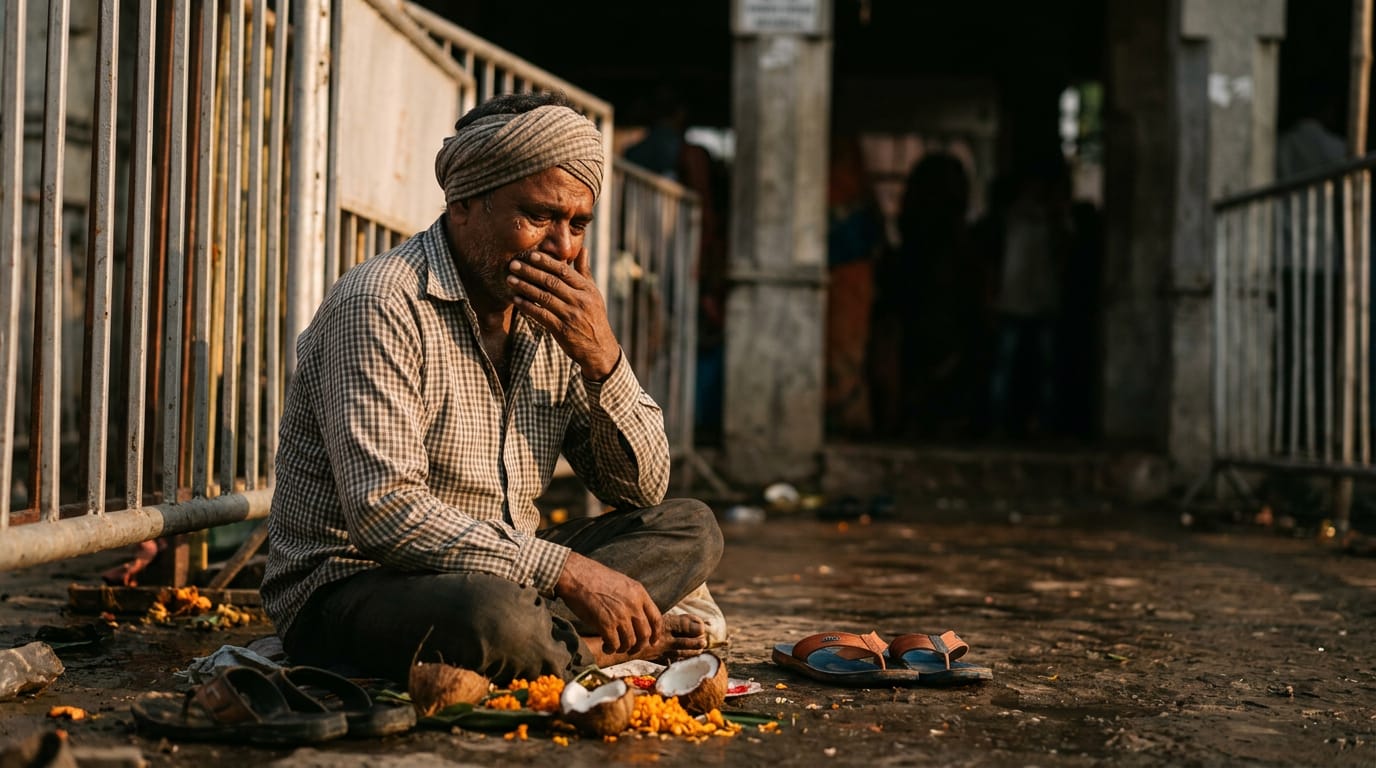
Lakhisarai, Bihar, India – A tragic stampede at the revered Ashok Dham Shiva Temple in Bihar's Lakhisarai district on Monday morning resulted in the deaths of at least seven devotees and left several others injured. The incident occurred amidst a massive gathering for the third Somwar (Monday) of the holy Shravan month, a period of heightened religious observance drawing tens of thousands of pilgrims. The catastrophe has once again cast a somber light on the persistent challenges of crowd management at large religious congregations across India, prompting both immediate relief efforts and calls for thorough investigation into the systemic failures that precipitated the disaster.
The Catastrophic Morning: Chaos at Ashok Dham
The tragedy unfolded around 6:40 AM at the Indramaneshwar Temple, commonly known as Ashok Dham, as devotees surged forward to offer prayers to Lord Shiva. The temple, one of the oldest and most significant Shiva temples in Bihar, was experiencing an "unprecedented" influx of pilgrims, with an estimated 50,000 people having converged in Lakhisarai for the auspicious day. Eyewitnesses reported that queues stretched for over six kilometers, requiring an average wait of four hours for pilgrims to even enter the temple premises.
Initial accounts from authorities and survivors present a complex picture of the events leading to the stampede. According to Lakhisarai District Magistrate Shailendra Kumar, overcrowding was a primary factor. The situation intensified between 6:30 AM and 6:45 AM when two local trains arrived at the nearby Ashok Dham halt, disgorging more devotees and significantly augmenting the already dense crowd. Adding to the volatile mix, a cable wire, initially rumored to be an electric pole, reportedly fell near the men's queue. This triggered panic as fears of electrocution spread through the throngs, creating a sudden surge and immense pressure on the adjacent women's queue. This led to women falling on top of one another, resulting in severe crushing and asphyxiation.
However, the official narrative has been met with skepticism from some on the ground. Witnesses countered that the stampede was not merely an accident but a direct consequence of inadequate crowd management and a palpable lack of security personnel. Reports emerged of youngsters attempting to push through broken barricades, and some devotees described a desperate crush where 10-12 women forcefully entered the queue, causing others to fall and be trampled underfoot. This highlights a critical disconnect between official explanations and the lived experience of those caught in the fatal crush.
A Familiar Pattern: Recurring Tragedies at Religious Gatherings
The stampede at Ashok Dham Shiva Temple is not an isolated incident but rather fits into a grim pattern of crowd disasters that frequently plague religious festivals and pilgrimages across India. Historically, a significant majority—approximately 79%—of stampedes in the country have occurred at religious gatherings. These events, driven by deep-seated faith and cultural heritage, often see millions gather in spaces that are ill-equipped to handle such massive numbers.
Factors contributing to these recurring tragedies include chronic overcrowding, outdated infrastructure not designed for contemporary crowd sizes, narrow passageways, limited entry and exit points, and often, insufficient or poorly executed crowd control measures. The panic can be exacerbated by rumors, structural failures, or even minor disturbances in an already over-stressed environment. For instance, the Ashok Dham temple itself has a history of such incidents, with a similar stampede occurring in August 2019 during Shravan, which led to one fatality and 15 injuries. This suggests a concerning lack of systemic improvements following past incidents.
Immediate Response and Official Reactions
Emergency services were promptly deployed to the site, with police and district administration officials reaching the scene to coordinate rescue and relief operations. The injured, numbering around 10-12, were transported to local medical facilities for treatment, though at least one person required referral to a higher medical center due to the severity of their injuries. Most of the deceased were identified as women, and efforts are underway to establish their identities and inform their families, many of whom were seen thronging the Lakhisarai Sadar Hospital.
Bihar Chief Minister Samrat Choudhary expressed profound grief over the loss of lives, describing the incident as "extremely tragic and heart-wrenching." He issued immediate instructions to the administration to ensure prompt and adequate medical treatment for all injured individuals. In a gesture of support to the bereaved families, the state government announced an ex-gratia payment of ₹6 lakh to the kin of each deceased, comprising ₹4 lakh from the Disaster Relief Fund and an additional ₹2 lakh from the Chief Minister's Relief Fund. Further assistance was announced by Prime Minister Narendra Modi, who extended ₹2 lakh from the Prime Minister's National Relief Fund to the families of the deceased and ₹50,000 to the injured.
A formal investigation into the stampede has been initiated, with the Bihar Chief Secretary instructed to lead the probe and submit a comprehensive report to the government. The objective of this inquiry will be to ascertain the exact sequence of events, identify lapses in crowd management, and propose measures to prevent future recurrences.
The Path Forward: Addressing Systemic Vulnerabilities
The tragic loss of life at Ashok Dham underscores an urgent and persistent need for more robust crowd management strategies and improved safety protocols at religious gatherings across India. Despite existing guidelines from bodies like the National Disaster Management Authority (NDMA) on crowd control, implementation often falls short. Challenges include underestimation of crowd sizes, insufficient trained personnel, inadequate infrastructure, and poor coordination among various agencies responsible for safety.
The incident serves as a stark reminder that faith, while powerful, must be complemented by meticulous planning, modern crowd control techniques, and a proactive approach to public safety. As investigations proceed, the focus will undoubtedly be on accountability and the imperative to translate lessons from this tragedy, and countless others before it, into actionable reforms. Only through concerted efforts can authorities and temple managements ensure that places of worship remain sanctuaries of peace rather than sites of preventable despair.