Deadly Suicide Bombing at Islamabad Shiite Mosque Claims Dozens of Lives
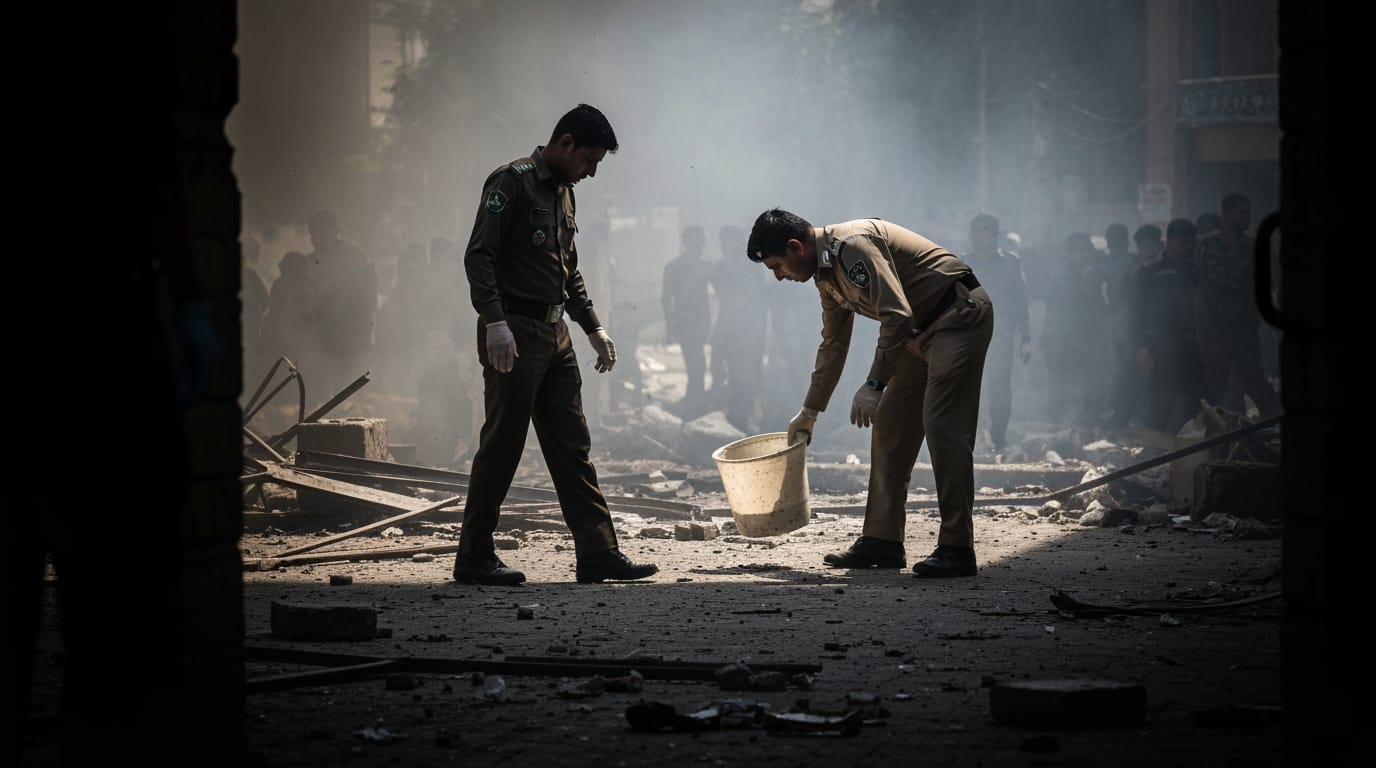
ISLAMABAD, Pakistan – A devastating suicide bombing tore through a Shiite mosque on the outskirts of Pakistan's capital during Friday prayers, killing at least 15 worshippers and wounding nearly 50 others. The attack, which Islamabad police quickly confirmed as an act of terrorism, underscores the persistent threat of militant violence plaguing the nation. Rescue officials and witnesses described a scene of chaos and carnage as emergency services rushed to transport the injured, many in critical condition, to nearby hospitals. The incident has sent shockwaves through the capital, triggering widespread condemnation and renewed calls for action against extremist groups.
The Carnage Unfolds During Friday Prayers
The explosion ripped through the mosque in the Tarlai area, also identified as Shehzad Town, during the congregational Friday prayers, a time when the mosque would have been densely packed with worshippers. Initial reports from a security source indicate that a suicide attacker was responsible for the deadly blast. The assailant was reportedly intercepted at the mosque's entrance before detonating an explosive device. The sheer force of the blast resulted in a varied count of fatalities across different reports, with figures ranging from 10 to 20 deaths, while the number of wounded consistently stands in the dozens, with some sources reporting as many as 80 injured. Television footage and social media imagery depicted frantic scenes of police and residents collaborating to transport the injured to medical facilities throughout the city. Hospitals in Islamabad were placed on high alert to manage the influx of casualties.
Official Response and Pledge for Justice
Pakistan's top leadership swiftly condemned the heinous act. President Asif Ali Zardari and Prime Minister Shehbaz Sharif issued separate statements, extending their condolences to the grieving families and instructing authorities to ensure comprehensive medical assistance for all those injured. President Zardari labeled the targeting of innocent civilians a "crime against humanity," emphasizing the nation's solidarity with the victims. Prime Minister Sharif ordered a thorough investigation to identify and punish those responsible for the atrocity. Interior Minister Mohsin Naqvi also condemned the attack and called for the best possible medical care for the wounded. The Islamabad police have initiated an investigation into the blast.
A Haunting Pattern of Sectarian Violence
While no group immediately claimed responsibility for the assault, suspicion has largely fallen on militant organizations such as the Pakistani Taliban (Tehrik-e-Taliban Pakistan or TTP) or the Islamic State group, both of whom have a history of targeting Shiite worshippers in Pakistan. Shiites represent approximately 20% of Pakistan's population and have frequently been the victims of sectarian violence. The nation has witnessed a concerning surge in militant activity in recent months, with Baloch separatist groups, the TTP, and a regional affiliate of the Islamic State being implicated in numerous attacks against both security forces and civilians.
This incident adds to a grim series of attacks across the country. In November, a suicide bomber killed 12 people outside an Islamabad court. Just weeks prior to the mosque bombing, the outlawed Baloch Liberation Army carried out multiple attacks in Balochistan province, resulting in about 50 deaths. A particularly devastating suicide attack on a Shiite mosque in Peshawar in March 2022 claimed the lives of 30 to 56 worshippers and injured dozens more during Friday prayers. The escalation of sectarian violence, which has particularly intensified since 2012, involves various groups, including newer entities like the Islamic State Khorasan Province (ISKP) and Tehreek-e-Labaik Pakistan. The timing of the attack is also notable, occurring during a two-day official visit by Uzbekistan President Shavkat Mirziyoyev to Pakistan, potentially aimed at disrupting regional stability.
Heightened Security and Enduring Challenges
In the wake of previous attacks, particularly after a mosque blast in Peshawar in January 2023, security measures in Islamabad had been significantly enhanced. This included high-security alerts, stringent vehicle checks at entry and exit points, and the deployment of snipers at key locations. Despite these precautions, the latest bombing highlights the formidable challenges Pakistan faces in curbing militancy and protecting its citizens from such acts of terror. The perpetrators often exploit vulnerabilities, even in the most secure areas, demonstrating their intent to sow fear and division.
The attack on the Islamabad mosque is a stark reminder of the persistent and evolving threat of extremism within Pakistan. As the nation grapples with the immediate aftermath and a comprehensive investigation unfolds, the tragic loss of life during sacred worship underscores the urgent need for a multifaceted approach to counter terrorism. The resilience of the Pakistani people will be tested once more as they confront the ongoing struggle against those who seek to undermine peace and stability through violence.


