Deadly Ukrainian Drone Strike Claims 12 Lives in Central Russia, Wounding Dozens
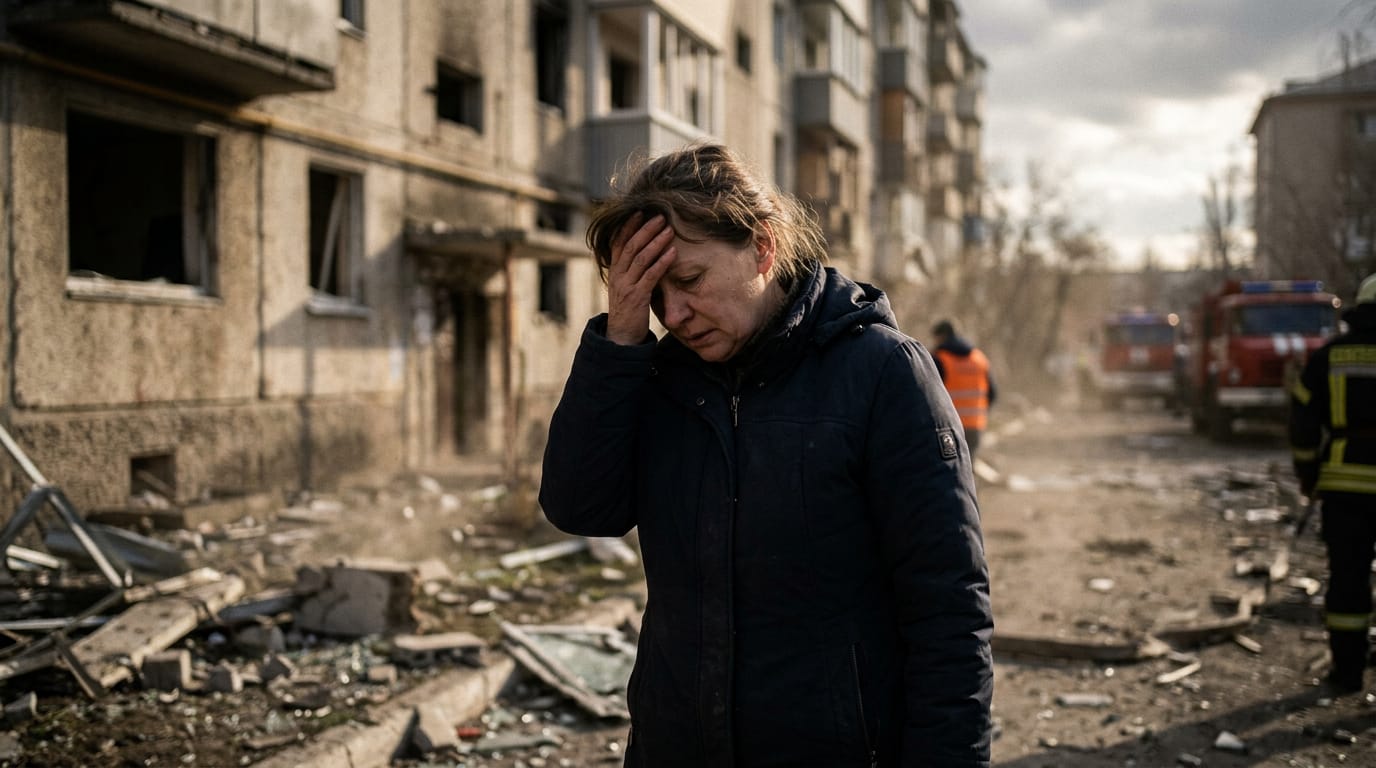
NIZHNEKAMSK, Tatarstan, Russia – A Ukrainian drone attack on Monday struck deep within Russian territory, killing at least 12 individuals and injuring 39 others in the central Russian region of Tatarstan. The assault, targeting the industrial city of Nizhnekamsk, represents one of Kyiv's deadliest single strikes since the conflict began more than four years ago, underscoring a significant escalation in long-range aerial warfare between the two nations and a rising human cost for civilians.
The devastating attack unfolded early Monday morning, impacting an area more than 1,000 kilometers (620 miles) from the Ukrainian border. Regional authorities confirmed the fatalities and injuries, stating that emergency services were actively providing medical assistance to the wounded and monitoring the situation. The precise targets in Nizhnekamsk included both industrial and civilian infrastructure, with unverified social media footage showing a substantial black smoke cloud billowing over an oil facility near the industrial hub. Reports suggest the Nizhnekamskneftekhim petrochemical plant, described as one of Europe's largest, may have also been among the targets. In the wake of the casualties, local authorities declared a period of mourning, reflecting the somber mood across the region.
This strike on Tatarstan, a region known for its rich energy resources and numerous major oil refineries, falls within a broader pattern of Kyiv's strategic targeting of Russian energy infrastructure in retaliatory actions. The sheer distance of Nizhnekamsk from the Ukrainian frontier, at approximately 1,600 kilometers, highlights the evolving capabilities of drone technology and the expanding geographic reach of the conflict. Ukraine's air force stated it launched 126 drones in its overnight attack, while Russia's defense ministry countered by claiming its air defense systems intercepted and destroyed a much larger number, 456 Ukrainian aerial drones, across approximately 15 Russian regions and the annexed Crimea. However, Russian authorities did not specify how many of these drones ultimately reached their intended targets. The discrepancy in reported numbers is common in such engagements, with both sides often presenting figures that align with their respective narratives.
The United Nations has noted a significant escalation in long-range attacks by both Ukraine and Russia this year, leading to a noticeable spike in civilian deaths. This recent drone strike in Tatarstan tragically illustrates this trend, bringing the direct human cost of the conflict to areas previously considered relatively safe from direct engagement. The increasing frequency and intensity of these strikes demonstrate a clear shift in warfare tactics, with both belligerents increasingly relying on aerial assaults to project power and disrupt enemy operations far from conventional front lines. This strategic pivot inevitably places civilian populations in greater peril, transforming urban centers and industrial zones into potential targets.
The Monday attack was not an isolated incident but rather occurred amidst a flurry of reciprocal strikes across the wider conflict zone. On the same day, a Russian artillery strike claimed the lives of five people in Bugaivka, a village in Ukraine's northeastern Kharkiv region, located near the front line. Local Ukrainian officials reported that the attack resulted in the destruction of various homes in the residential area. Furthermore, a woman was killed in a separate Ukrainian attack on the Russian border region of Belgorod, and a man tragically died in a Russian drone strike on a taxi in the frontline Kherson region. These simultaneous incidents underscore the pervasive and escalating nature of the violence, where civilian casualties are an unfortunate and increasingly common outcome of long-range engagements on both sides.
The deadly drone strike in Tatarstan represents a critical point in the ongoing conflict, signaling an intensified phase of long-range warfare with profound implications for civilian populations and strategic infrastructure. As both Ukraine and Russia continue to develop and deploy advanced drone technologies, the reach and impact of such attacks are likely to expand further. The international community, as highlighted by the United Nations, faces an urgent challenge in addressing the escalating humanitarian consequences of this evolving conflict, as the boundaries of the battlefield continue to stretch deeper into civilian territories. The somber events of Monday serve as a stark reminder of the devastating human toll exacted by this protracted and increasingly brutal war.


