Deadly US Strike in Eastern Pacific Reignites Debate Over Anti-Narcotics Campaign
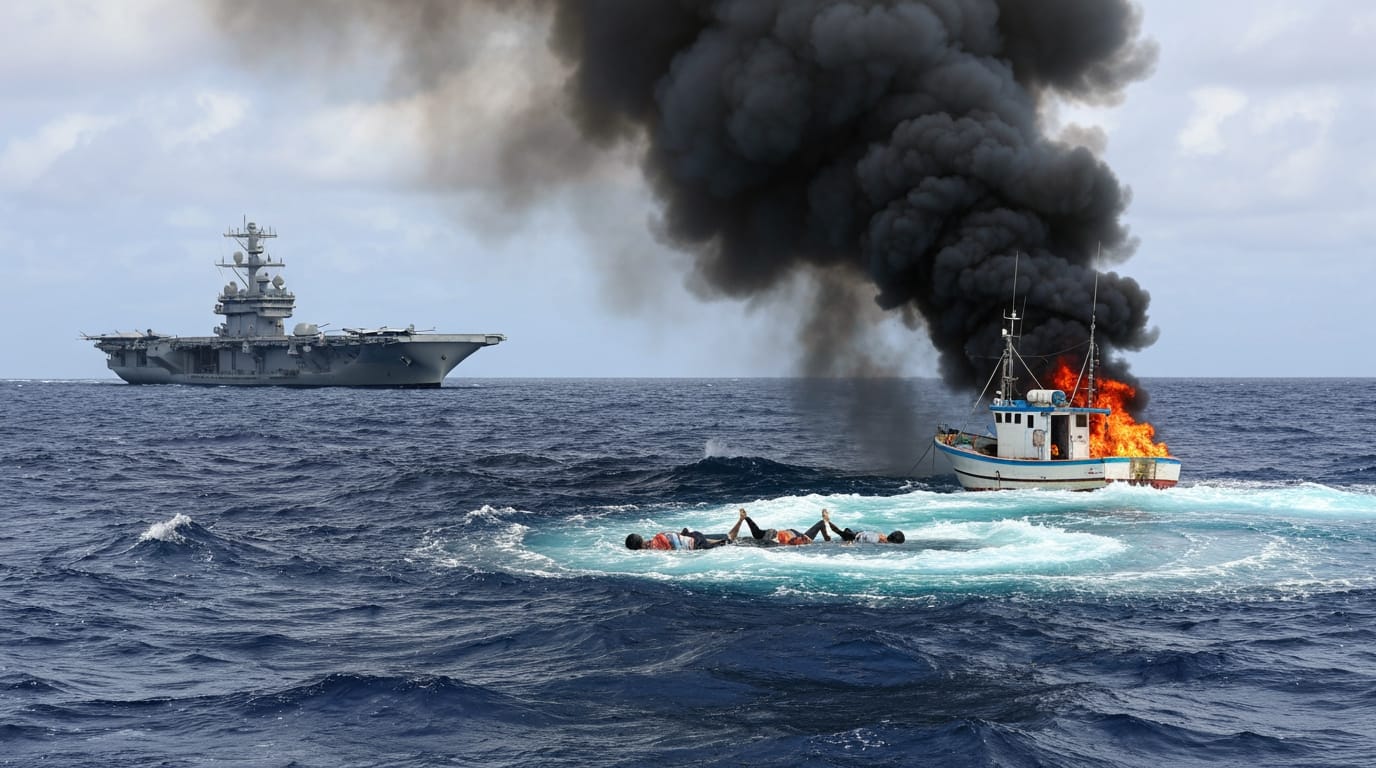
A United States military strike in the eastern Pacific on Friday, February 20, 2026, resulted in the deaths of three men aboard an alleged drug-smuggling vessel, marking the second such deadly operation this week. The incident, confirmed by U.S. Southern Command (SOUTHCOM), escalates the growing scrutiny over the legality and ethics of the Trump administration's aggressive counter-narcotics campaign, which has now claimed at least 148 lives in similar operations since September of last year.
The Latest Incident: A "Kinetic Strike"
The latest strike targeted a vessel in international waters, which SOUTHCOM asserted was "transiting along known narco-trafficking routes in the Eastern Pacific and was engaged in narco-trafficking operations." A 16-second video clip released by Southern Command on social media shows a single strike being launched at the boat, which subsequently burst into flames. No U.S. military personnel were harmed in the operation. The strike was conducted by Joint Task Force Southern Spear under the direction of Gen. Francis Donovan, the SOUTHCOM commander, and Secretary of War Pete Hegseth.
This operation follows another deadly strike earlier in the week that killed 11 people, contributing to a rapidly increasing death toll in U.S. military interdiction efforts. The U.S. military maintains that these "lethal kinetic strikes" are a necessary component of its strategy to disrupt illicit narcotics smuggling and to target vessels operated by what it describes as "Designated Terrorist Organizations."
Escalating Campaign and Rising Casualties
The strike is part of "Operation Southern Spear," a campaign initiated by the Trump administration to intercept drug traffickers. This broader effort, which began in the Caribbean Sea in September 2025 and expanded to the Eastern Pacific by late October, has seen the U.S. military significantly increase its presence and kinetic actions in the region. The administration’s approach intensified after President Donald Trump signed an executive order designating cartels as foreign terrorist organizations on his first day in office.
Since September, the total number of individuals killed in U.S. strikes on suspected drug-smuggling boats has reached at least 148 across a minimum of 43 separate attacks. The frequency and lethality of these operations have drawn considerable attention from international observers and human rights advocates. These figures highlight a sustained and aggressive posture by the U.S. military in combating drug trafficking, but also underscore the human cost of these tactics.
Legal and Ethical Storm Gathers
The aggressive nature of these military interdictions has ignited a fierce debate among lawmakers, legal experts, and human rights organizations regarding their legality and ethical implications. Critics argue that the Pentagon is engaging in extrajudicial killings and exceeding its authority by using military force against individuals suspected only of crimes, without due process.
Jeffrey Stein, a staff attorney with the American Civil Liberties Union (ACLU), and Christopher Anders, director of the Democracy and Technology Division at ACLU, have stated that "Under both U.S. and international law, it is flagrantly illegal to use the military to kill civilians suspected only of crimes." They contend that civilians, even those suspected of drug smuggling, are not lawful targets for military action.
Further intensifying the controversy, previous incidents have raised serious concerns. The initial strike in September 2025 reportedly involved a follow-up strike that killed survivors clinging to the wreckage of a boat, drawing intense criticism. Legal experts emphasized that deliberately targeting and killing shipwreck survivors would constitute a war crime. Ben Saul, the United Nations Special Rapporteur on Human Rights and Counterterrorism, has publicly condemned the U.S. military's announcements of these attacks, describing them as "confessing to the 'murder of civilians at sea'" and calling for U.S. or international justice to hold leaders accountable.
Justifications and Calls for Accountability
U.S. Southern Command consistently defends its actions by citing intelligence that confirms vessels are involved in narco-trafficking operations. However, critics, including Al Jazeera, have noted that SOUTHCOM often provides no public evidence to substantiate these claims, leading to accusations of a lack of transparency.
Officials within the Trump administration, including Defense Secretary Pete Hegseth, and some Republican lawmakers have staunchly defended the operations, asserting their legality and necessity in disrupting the flow of illegal narcotics. They frame these actions as crucial for national security and public health, especially given the ongoing opioid crisis. Conversely, Democratic lawmakers and a broad coalition of legal and human rights experts have labeled some of these killings as "murder, if not a war crime," particularly in cases involving alleged targeting of survivors.
The ongoing debate highlights a fundamental clash between the aggressive enforcement of anti-drug policies through military means and the principles of international law, human rights, and due process. The incident on Friday adds another chapter to this complex and often deadly campaign, leaving a trail of human casualties and a growing demand for transparency and accountability from the international community. The implications of these "kinetic strikes" extend beyond drug interdiction, touching upon sovereign rights in international waters and the very definition of legitimate military engagement in peacetime.


