Deep Skepticism Grips Fragile DR Congo-Rwanda Peace Efforts
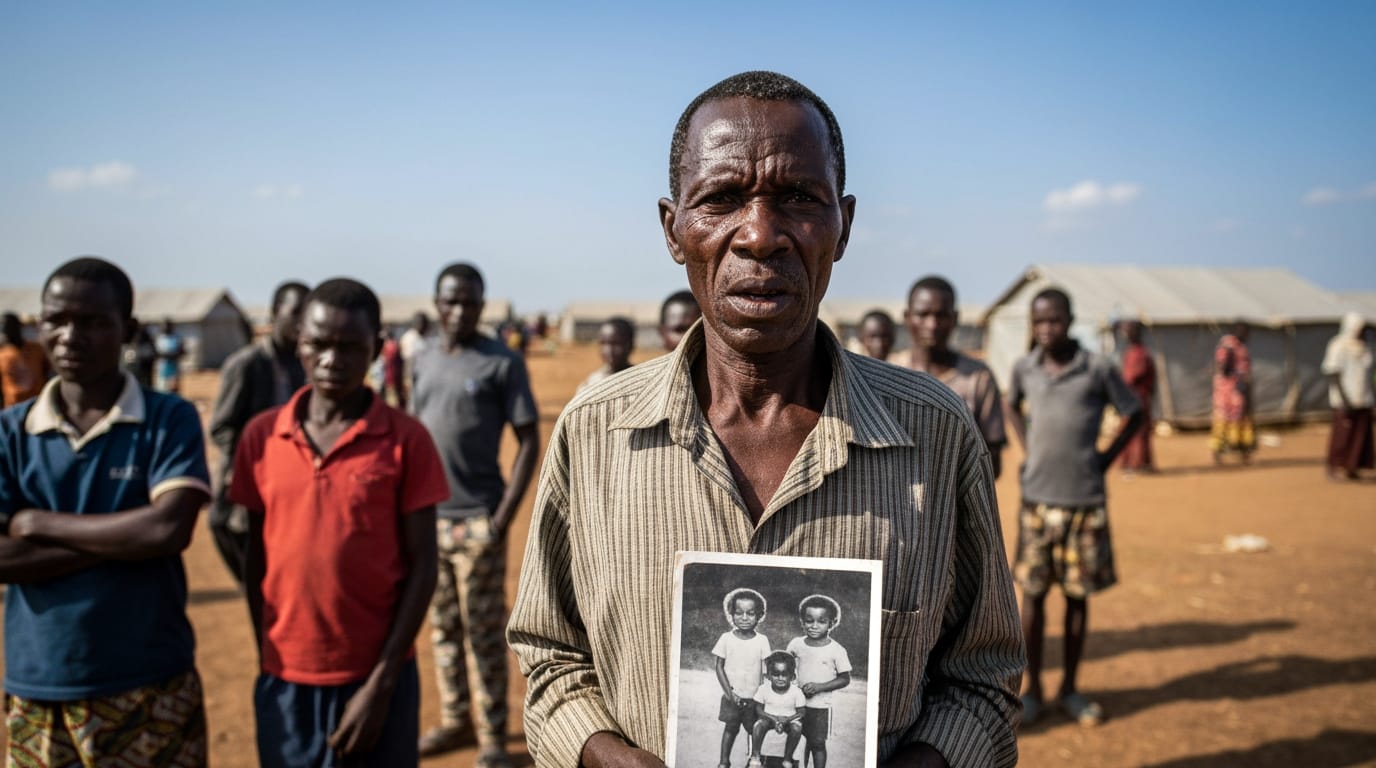
A recent wave of high-level diplomatic agreements aimed at resolving the protracted conflict between the Democratic Republic of Congo (DRC) and Rwanda has been met with profound skepticism, as persistent fighting and deep-seated mistrust continue to plague the mineral-rich eastern Congolese provinces. While leaders from both nations, supported by international mediators, have formalized new accords, the history of broken ceasefires and ongoing humanitarian crises temper hopes for a lasting peace, leaving many to question whether these latest efforts will yield a different outcome.
A Legacy of Violence and Reciprocal Accusations
The eastern DRC has endured decades of instability rooted in a complex interplay of ethnic tensions, political grievances, and the exploitation of vast natural resources. The conflict traces its origins back to the 1994 Rwandan Genocide, when Hutu extremists fled into eastern Congo, leading to subsequent Rwandan military interventions. Since then, the region has been a battleground involving numerous armed groups, most notably the M23 rebels and the Democratic Forces for the Liberation of Rwanda (FDLR).
Kinshasa has consistently accused Kigali of supporting and funding the M23, an ethnic Tutsi-led rebel group that has seized significant territory and displaced millions in eastern DRC. United Nations reports and various foreign governments have corroborated these accusations, citing Rwanda's direct military presence and backing of M23 offensives. In early 2025, M23, reportedly supported by 3,000 to 4,000 Rwandan ground troops, rapidly escalated its offensive, culminating in the capture of key cities like Goma and Bukavu in North and South Kivu provinces. This resurgence displaced hundreds of thousands, adding to the more than seven million internally displaced people across the DRC.
Conversely, Rwanda accuses the DRC of supporting the FDLR, a Hutu extremist militia that Rwanda views as an existential threat due to its links to the 1994 genocide. Both governments have largely denied these reciprocal allegations despite mounting evidence. The cycles of violence are further complicated by the region's immense wealth in critical minerals like coltan and gold, which armed groups, including M23, have exploited to finance their operations, drawing concerns about illicit trade routes.
The Surge in Diplomatic Activity
Against this backdrop of ongoing conflict, 2025 saw a renewed push for diplomatic solutions. On June 27, foreign ministers from the DRC and Rwanda signed a peace agreement in Washington, D.C., brokered by the United States. This preliminary pact was formally endorsed as the "Washington Accords" by Presidents Félix Tshisekedi of the DRC and Paul Kagame of Rwanda on December 4, 2025, at a ceremony hosted by U.S. President Donald Trump.
The Accords outline several critical commitments: Rwanda pledged to withdraw its troops from eastern DRC territory, and the DRC committed to ceasing support for the FDLR and other non-state armed groups. The agreement also aims to establish a joint security coordination mechanism within 30 days and includes a regional economic integration framework designed to foster shared development and stabilize border areas.
These US-led efforts built upon other regional and international mediation initiatives. The Angolan-led Luanda Process, initiated in 2022 and relaunched in early 2024, aimed to de-escalate tensions and facilitate dialogue between the DRC and Rwanda. The East African Community's Nairobi Process, launched in April 2022, focused on engaging the DRC government with various armed groups to achieve a ceasefire, disarmament, and reintegration. Furthermore, separate negotiations in Doha, Qatar, led to a declaration of principles and a ceasefire agreement between the Congolese government and M23 rebels in June/July 2025, followed by a framework agreement in November.
Deep-Seated Skepticism Persists
Despite the flurry of diplomatic activity, skepticism surrounding the effectiveness of these peace deals remains pervasive, particularly among Congolese civil society and analysts. A primary concern stems from the long history of failed agreements and a profound lack of trust between the warring parties. President Kagame himself acknowledged that numerous past agreements have been signed but none respected. DRC government spokesperson Patrick Muyaya warned that "peace is not just a signature; the hardest part is implementation".
A significant challenge lies in the ambiguous role of the M23. While the DRC and Rwanda signed the Washington Accords, the M23 was not a direct signatory to this primary agreement. Although the group engaged in separate talks in Doha, leading to a declaration of principles and a ceasefire, these agreements have not translated into sustained peace on the ground. Reports indicate continued fighting between the Congolese army (FARDC) and M23 forces, with each side accusing the other of violating ceasefires. In July 2025, just weeks after the initial Doha declaration, a UN report detailed that M23 rebels killed at least 319 civilians in eastern DRC.
Moreover, the M23's demands extend beyond merely addressing the FDLR, including calls for the return of refugees, citizenship, access to land, and control over natural resources—issues that complicate any straightforward peace deal. The group's establishment of a "parallel administration" in areas it occupies further entrenches its position, making withdrawal challenging.
Critically, the commitment to troop withdrawal by Rwanda and cessation of support for armed groups by the DRC faces hurdles. As of September 2025, Rwandan troops had not withdrawn as stipulated by the 90-day timeframe in the June agreement. Congolese officials have voiced concerns that Rwanda's continued military presence undermines its sovereignty and legitimizes the occupation of territory by the M23. Similarly, the DRC's historical reliance on the FDLR as an anti-Rwandan proxy force and existing ties between FARDC and FDLR members pose significant obstacles to its commitment to neutralize the group.
The Human Cost and Prospects for Stability
The persistent violence has exacted a devastating human toll, making the need for effective peace mechanisms urgent. Over seven million people have been internally displaced, with renewed M23 offensives in early 2025 alone displacing an additional 1.6 million. The humanitarian crisis is characterized by widespread atrocities, including grave violations against children and conflict-related sexual violence. Aid teams continue to appeal for support to address the dire needs of communities left with nothing.
The implications of continued instability extend beyond the DRC's borders, threatening regional peace and hindering economic development in the Great Lakes region. While the Washington Accords offer an economic integration framework, its success is contingent upon the effective implementation of the security aspects of the peace agreement.
A Fragile Path Forward
The recent peace agreements between the Democratic Republic of Congo and Rwanda represent a significant diplomatic achievement, showcasing renewed international engagement in one of Africa's longest-running conflicts. However, the path to sustainable peace remains fraught with challenges. The deep-seated mistrust, the history of unfulfilled promises, the ongoing military actions by M23 despite various truces, and the unresolved issues of external support for armed groups contribute to widespread skepticism.
For these accords to transcend the fate of their predecessors, genuine political will from both Kinshasa and Kigali will be essential, coupled with robust and impartial verification mechanisms for troop withdrawals and disarmament efforts. Addressing the humanitarian catastrophe, ensuring accountability for atrocities, and tackling the economic drivers of the conflict are crucial steps. Ultimately, the success of these peace efforts will hinge not merely on the signing of documents but on the sustained commitment of all parties, including regional and international actors, to translate words into tangible actions that restore trust, ensure security, and address the fundamental grievances that fuel the violence in eastern DRC.


