Delhi Aims to Eradicate "Garbage Mountains" by Next Year
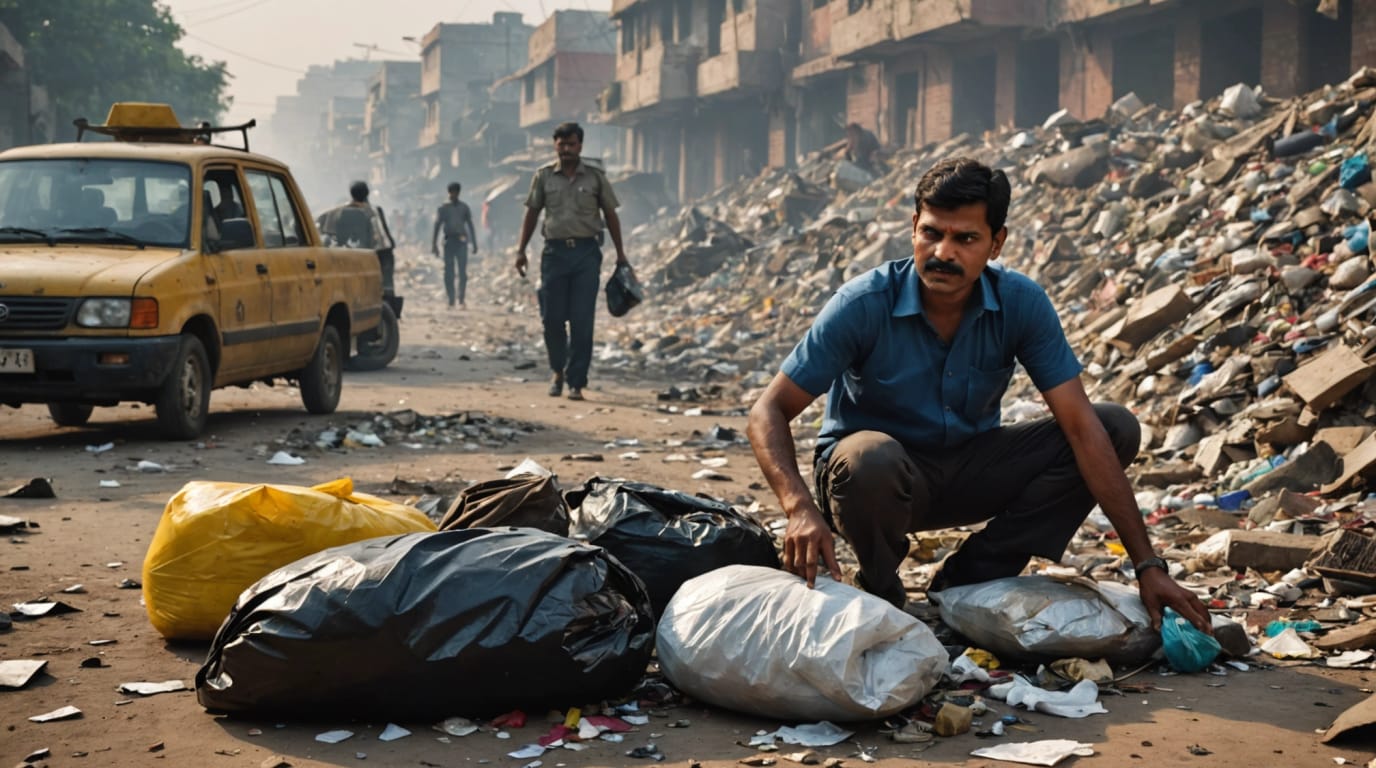
New Delhi, India – The capital city of India has pledged to eliminate its massive landfills by next year, marking a significant step toward improving waste management and public health. For years, these towering piles of trash have marred the city's skyline, posing environmental and health hazards to millions of residents.
Greater Delhi, home to approximately 32 million people, grapples with a severe waste management crisis. A "slipshod approach" has resulted in numerous landfills reaching heights of up to 60 meters (200 feet), visible from miles away. These "garbage mountains," as they are often called, not only create an unsightly landscape but also contribute to toxic air pollution, groundwater contamination, and the spread of diseases.
The Bhalswa Landfill Transformation
Delhi's Environment Minister, Manjinder Singh Sirsa, announced Tuesday that efforts are underway to process and dispose of waste at the Bhalswa landfill, one of the city's largest. The goal is to reduce the waste at the Bhalswa site to the point where it is "no longer visible" from a distance by the end of the year. The complete clearing of the Bhalswa site is projected for March of next year, with similar remediation work planned for Delhi's other major landfills.
The Bhalswa landfill, commissioned in 1994, reached its capacity in 2006 and now contains an estimated 8 million tons of legacy waste. The neighborhoods surrounding the Bhalswa landfill are home to some of Delhi's poorest residents, many of whom migrated from rural areas in search of work.
Waste Management Challenges and Solutions
Delhi generates approximately 11,000 tons of solid waste daily, the highest among Indian cities. The Municipal Corporation of Delhi (MCD) employs landfilling, incineration, and recycling for waste disposal. However, more than half of the waste ends up in the city's three main landfills: Bhalswa, Ghazipur, and Okhla, which have become significant environmental hazards.
Improper waste management leads to soil, air, and water contamination. Leachate, a toxic liquid from waste, seeps into the ground, polluting the soil and groundwater. Landfills emit methane, a potent greenhouse gas that accelerates climate change. Nearby communities suffer from foul odors, increased disease-carrying pests, and health issues such as respiratory problems and waterborne illnesses.
To address these challenges, Delhi is adopting a multi-pronged approach:
- Biomining: This environmentally friendly technique separates soil-like material, construction and demolition waste, and recyclables from legacy waste. The recyclable materials are then sorted and processed for reuse or disposal.
- Waste-to-Energy Plants: Delhi operates four waste-to-energy plants that convert waste into renewable energy. The Ghazipur Waste to Energy Plant, established in 2011, processes 2,000 tons of waste per day, generating 12 MW of power and 127 tons of fuel. However, these plants face challenges due to a lack of waste segregation, leading to toxic emissions.
- Residue Treatment Plants: The city's first plant to treat residue from waste-to-energy units was recently inaugurated in Tehkhand. This plant processes 965,000 tons of residue annually, preventing toxins from contaminating the soil and groundwater. The treated material can be used for road construction.
- Increased Waste Processing Capacity: The MCD is working to double the waste processing capacity of each landfill site. Additional agencies are being appointed to expedite the cleaning process, with each agency tasked with processing 3 million tons of garbage within two years.
- The 7Rs of Waste Management: Refuse, Reduce, Reuse, Recycle, Rethink, Repair, and Rot are being implemented as the foundation of Delhi's waste management strategy.
Environmental and Health Implications
The environmental degradation caused by Delhi's landfills has cost the city hundreds of crores. Landfilling leads to underground water pollution, air pollution, and odor pollution. Health impacts include carcinogenic and non-carcinogenic effects on nearby populations. The World Health Organization estimates that improved solid waste management could prevent or control 22 types of diseases in India.
The remediation of landfills and improved waste management practices are expected to have significant positive impacts:
- Reduced Air Pollution: Clearing the landfills will decrease the frequency of fires and the emission of toxic fumes, improving air quality.
- Groundwater Protection: Treating leachate and preventing waste from seeping into the ground will protect groundwater resources.
- Methane Emission Control: Capturing and utilizing methane gas from landfills will reduce greenhouse gas emissions and mitigate climate change.
- Improved Public Health: Reducing pollution and disease-carrying pests will improve the health and well-being of residents, especially those living near landfills.
- Land Reclamation: Remediating landfills will free up land for other uses, such as green spaces and construction.
Challenges and Future Outlook
Despite the progress, Delhi faces several challenges in its waste management efforts. Delays in establishing new waste management facilities, slow biomining of legacy waste, and a lack of waste segregation hinder progress. Securing funding and acquiring land for new facilities also pose obstacles.
To ensure the long-term success of its waste management initiatives, Delhi needs to:
- Enforce Waste Segregation: Implementing effective waste segregation at the source is crucial for the efficient operation of waste-to-energy plants and recycling facilities.
- Invest in Infrastructure: Expanding waste processing capacity and building new treatment facilities are essential to handle the city's growing waste generation.
- Promote Public Awareness: Educating the public about the importance of waste reduction, reuse, and recycling can help reduce the amount of waste sent to landfills.
- Ensure Regulatory Compliance: Enforcing environmental regulations and monitoring emissions from waste-to-energy plants are necessary to protect public health and the environment.
Conclusion
Delhi's pledge to eliminate its "garbage mountains" represents a bold step toward creating a cleaner, healthier, and more sustainable city. While challenges remain, the city's multi-pronged approach, including biomining, waste-to-energy plants, and increased waste processing capacity, offers hope for a future free from the environmental and health hazards posed by its towering landfills. The success of this endeavor will not only transform Delhi's landscape but also serve as a model for other cities grappling with similar waste management crises.


