Delhi Chokes Under Toxic Smog, Crippling Life and Travel
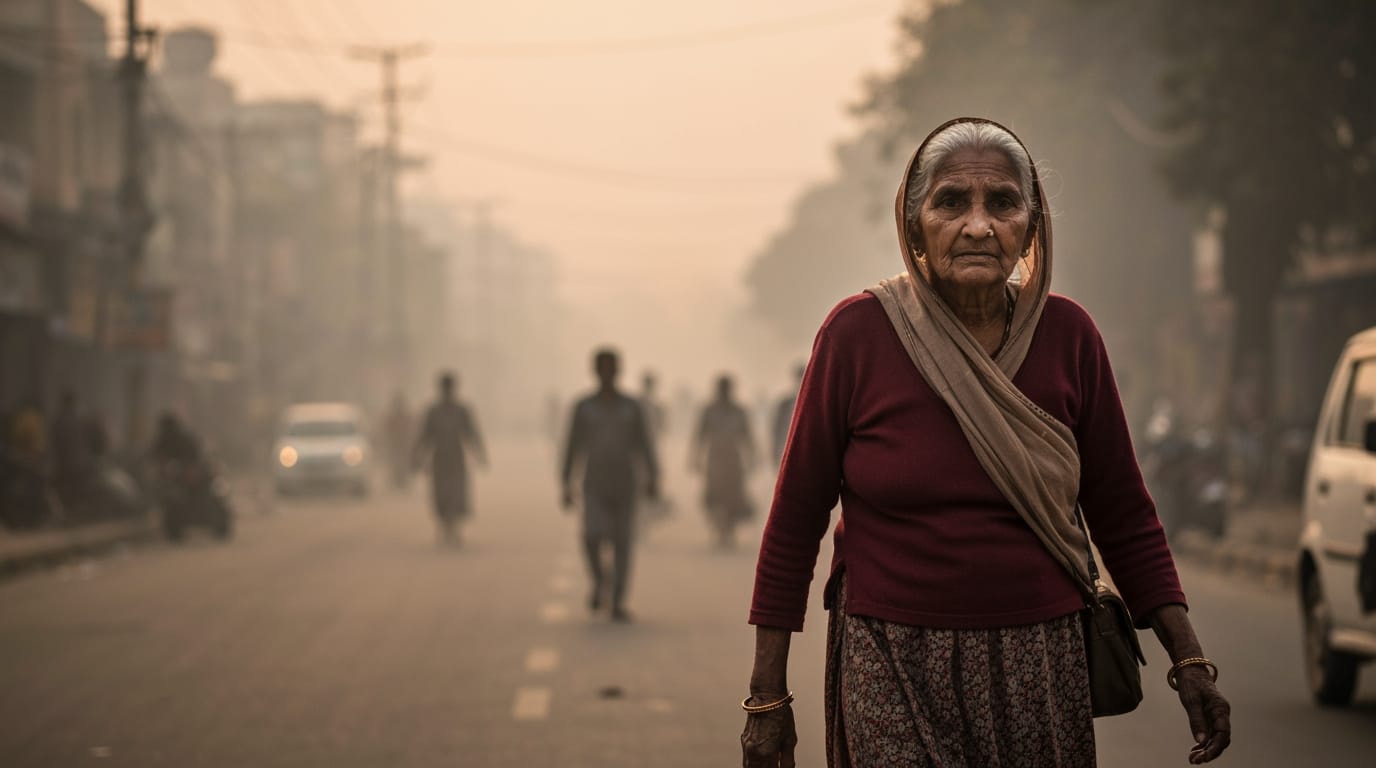
NEW DELHI – A dense, toxic blanket of smog has once again descended upon India's capital, Delhi, pushing air quality to hazardous levels and severely disrupting daily life, including widespread travel chaos. The city's Air Quality Index (AQI) has repeatedly soared into the "severe" and "severe-plus" categories, leading authorities to implement the most stringent emergency measures in a desperate attempt to mitigate the crisis. Hospitals report a surge in respiratory and eye-related ailments, underscoring the profound public health emergency unfolding across the metropolis.
Air Quality Plummets, Grounding Flights and Stalling Trains
The air quality in Delhi and the National Capital Region (NCR) has remained firmly in the "severe" category for multiple consecutive days. On Monday, December 15, the overall AQI stood at 457 at 6 AM, with numerous monitoring stations recording "severe-plus" levels, some even hitting the maximum measurable limit of 500. Areas such as Ashok Vihar, Jahangirpuri, Rohini, and Wazirpur registered AQI readings of 500, indicating critically dangerous conditions.
This extreme pollution has caused widespread disruption to transportation networks. Indira Gandhi International Airport experienced significant operational hurdles as dense fog, exacerbated by the smog, drastically reduced visibility. Over 40 flights were canceled, and hundreds more were delayed, impacting thousands of passengers, including high-profile individuals. Airlines like IndiGo and Air India issued advisories, urging travelers to check flight statuses and allow extra time due to challenging conditions. Railway services also faced considerable delays, with over 50 trains arriving and departing from New Delhi running hours behind schedule. Motorists across the city navigated through a thick haze, often requiring headlights even after sunrise, as visibility plummeted to as low as 50 meters in some areas.
A Confluence of Contaminants: Unpacking the Causes
Delhi's perennial air pollution crisis is a complex issue stemming from a combination of local emissions, regional practices, and adverse meteorological conditions. Key contributors include vehicular emissions, industrial output, construction dust, and the burning of biomass and waste. Vehicular pollution, a leading factor, is estimated to account for over 30% of the city's air pollution, with some analyses suggesting its contribution could be as high as 72%. The rapid urban growth and an increasing number of vehicles on the road exacerbate this problem.
While agricultural stubble burning in neighboring states like Punjab and Haryana has historically been a significant factor, contributing up to 45% of Delhi's pollution during peak season, recent data suggests a shifting landscape. In November 2025, the average contribution of stubble burning to Delhi's PM2.5 levels reportedly dropped to 7%, a decrease from 20% in 2024, with peak contributions falling from 38% to 22%. Some reports even indicated a "negligible" proportional contribution from stubble burning in 2025, citing a 77.5% decrease since 2021. Despite this reduction in farm fires, Delhi's overall air quality has remained severely poor, highlighting the persistent impact of localized urban pollution sources.
Compounding these emissions are geographical and meteorological factors unique to Delhi. Situated in a basin, the city is susceptible to trapping pollutants. During winter months, stagnant winds, low air inversion, and colder temperatures create an atmospheric lid that prevents the dispersion of pollutants, forming a dense smog that clings to the ground.
A Public Health and Economic Emergency
The health implications of Delhi's toxic air are severe and far-reaching. The city's air pollution has been linked to irreversible lung damage in millions of children. Exposure to high levels of pollutants, particularly PM2.5 and PM10, leads to an increased incidence of respiratory illnesses such as asthma, reduced lung function, and chronic respiratory diseases. Beyond the lungs, medical experts note that toxic air is damaging skin, hair, hormonal balance, fertility, and even bone strength. The World Health Organization (WHO) indicates that India has the highest death rate from chronic respiratory diseases and asthma globally, with air pollution estimated to cause approximately 2 million deaths annually across the country.
The economic toll is equally staggering. Air pollution is estimated to cost India $95 billion annually, equivalent to about 3% of the nation's Gross Domestic Product (GDP). Delhi alone faces an annual economic loss of up to 6% of its GDP due to pollution. This impact manifests as reduced worker productivity, increased healthcare expenditures, and significant losses for industries such as tourism, trade, and construction. Businesses in Delhi have reported a decline in activity, with some experiencing a 20% reduction, as consumers avoid crowded markets during periods of severe smog.
Emergency Measures and the Path Forward
In response to the deteriorating air quality, authorities have invoked Stage IV of the Graded Response Action Plan (GRAP) across the Delhi-NCR region, representing the most stringent level of anti-pollution measures. These emergency curbs include a complete ban on non-essential construction and demolition activities, restrictions on the entry of non-essential trucks into Delhi, and a prohibition on older diesel vehicles (BS-IV and below). Furthermore, schools have been advised to switch to hybrid or online learning modes for students up to Class IX and XI, and government and private offices are recommended to operate with 50% work-from-home staff.
Despite these emergency actions, the recurring nature of the crisis underscores the need for more sustained and effective long-term strategies. While the Delhi government has claimed "positive and measurable improvement" in air quality in 2025 compared to previous years, citing an increase in "satisfactory" AQI days, these assertions are often juxtaposed against the reality of recurrent severe pollution episodes and questions regarding data collection. Ongoing efforts involve promoting public transportation, regulating industrial emissions, implementing stricter construction guidelines, and encouraging the adoption of cleaner technologies. Initiatives like waste-to-energy conversion for crop residue also aim to reduce agricultural burning.
The battle against Delhi's toxic smog is a protracted one, demanding coordinated action from government, industry, and citizens. As winter approaches each year, the specter of hazardous air quality returns, posing an existential threat to public health and economic stability in one of the world's most densely populated urban centers.


