A Century of Statelessness: The Enduring Kurdish Quest for a Homeland in a Fragmented Middle East
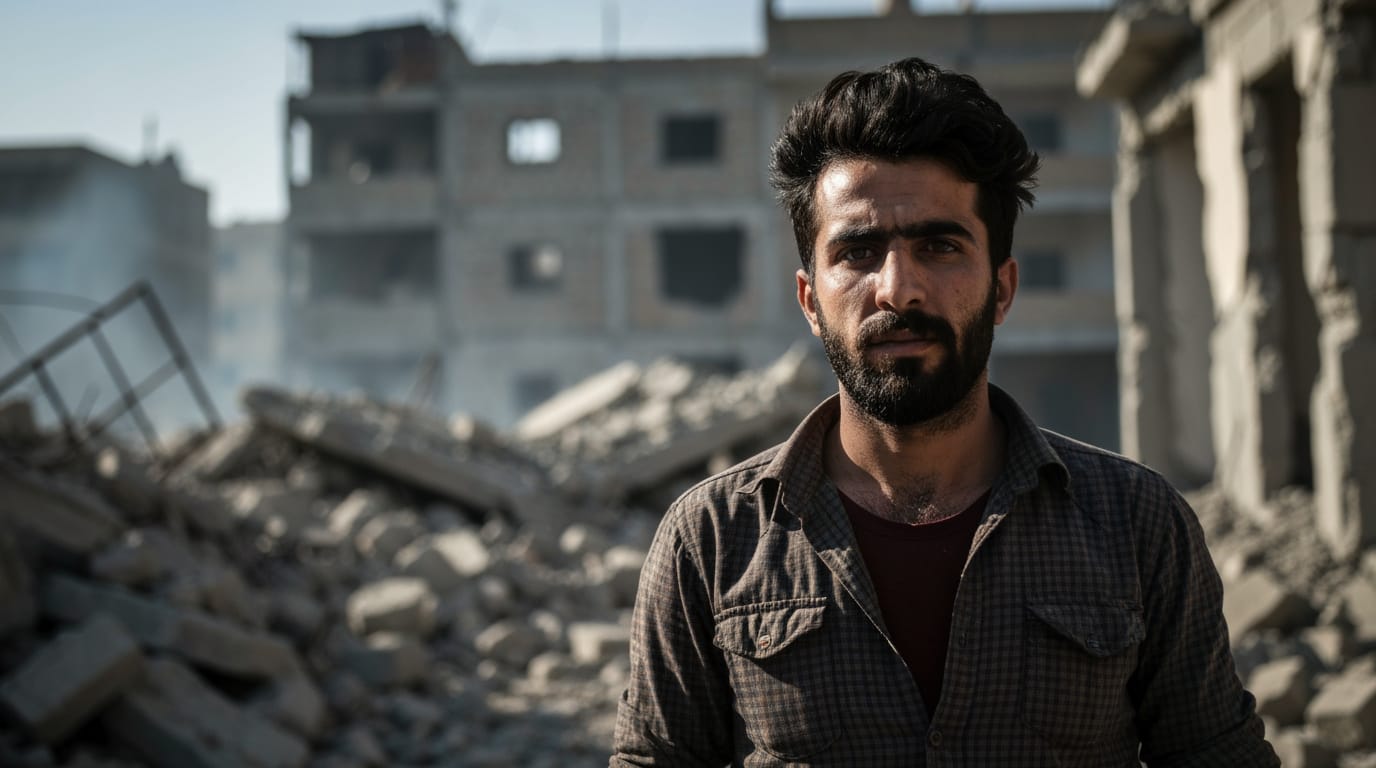
Across the rugged mountains and fertile plains of the Middle East, a nation of an estimated 30 to 45 million people endures a century-long struggle for self-determination. The Kurds, one of the world's largest ethnic groups without a sovereign state, are a people whose historical homeland, often referred to as Kurdistan, remains tragically divided across the borders of Turkey, Iraq, Iran, and Syria. Their persistent pursuit of an independent state or substantial autonomy has been met with a complex tapestry of historical betrayals, regional power dynamics, and geopolitical maneuvering, shaping a narrative of resilience amidst ongoing conflict and marginalization.
The Architect of Division: Post-Ottoman Promises and Betrayals
The genesis of the Kurdish predicament can be traced back to the tumultuous aftermath of World War I and the dissolution of the Ottoman Empire. Secret agreements, such as the 1916 Sykes-Picot Agreement, began the process of carving up the region, impacting Kurdish-inhabited territories. Initially, a glimmer of hope emerged with the 1920 Treaty of Sèvres, which proposed the creation of an autonomous Kurdish state in parts of what was then the Ottoman Empire. However, this promise was short-lived. Turkish nationalists vehemently opposed the treaty, leading to its effective replacement by the 1923 Treaty of Lausanne. The new treaty notably omitted any reference to a Kurdish homeland, cementing the division of Kurdish lands among the newly formed states and consigning the Kurdish people to minority status within each. This historical act of omission set the stage for decades of repression, as the new nation-states often viewed Kurdish identity and aspirations as threats to their nascent national unity.
A Patchwork of Struggles: Regional Realities of a Divided People
The absence of a unified Kurdish state has resulted in vastly different experiences for Kurdish communities across the four primary countries where they reside, each marked by unique challenges and limited gains.
In Iraq, the Kurds have achieved the most significant level of autonomy. Following the 1991 Gulf War and the 2003 U.S.-led invasion, Iraqi Kurds secured de facto and later constitutional autonomy, establishing the Kurdistan Regional Government (KRG). The KRG, based in Erbil, operates with its own parliament, armed forces (Peshmerga), and a degree of independent foreign policy, officially recognized within Iraq's federal system. This relative stability allowed for economic development and cultural preservation. However, the KRG faces persistent internal divisions, primarily between its two dominant parties, the Kurdistan Democratic Party (KDP) and the Patriotic Union of Kurdistan (PUK), which frequently impede effective governance. Furthermore, ongoing disputes with Baghdad over oil revenues, budget allocations, and contested territories continue to strain relations, while external pressures from neighboring Turkey and Iran remain a constant threat. A 2017 independence referendum saw overwhelming support for secession, but it triggered strong regional backlash and ultimately led to an erosion of some of the KRG's autonomy.
Syrian Kurds, making up approximately 8 to 10 percent of the country's population, historically faced severe repression under the Assad regime, including the revocation of citizenship for hundreds of thousands and bans on their language and culture. The chaos of the Syrian Civil War, which began in 2011, paradoxically opened a window for self-rule. As government forces withdrew from northern areas, Syrian Kurds established a de facto autonomous region known as Rojava, or the Democratic Autonomous Administration of North and East Syria (DAANES). This entity developed a distinctive model of decentralized governance, gender equality, and ethnic inclusion. The Kurdish-led Syrian Democratic Forces (SDF) became a crucial partner for the U.S. and its allies in the fight against ISIS, gaining international recognition for their efforts. However, this hard-won autonomy is now under severe threat. Recent shifts in power in Damascus and efforts to rebuild a centralized Syrian state are weakening Kurdish self-rule, with agreements emerging to integrate SDF forces into the Syrian army and transfer control of strategic territories back to the central government. Neighboring Turkey views Syrian Kurdish forces, particularly those linked to the Kurdistan Workers' Party (PKK), as an existential security threat, leading to repeated military interventions and efforts to prevent a contiguous Kurdish belt along its border.
In Turkey, home to the largest Kurdish population, the struggle has often manifested as an armed conflict. For decades, Kurds experienced state-led forced assimilation and were denied basic citizenship rights until the late 1990s. The Kurdistan Workers' Party (PKK), established in 1978, launched an insurgency in 1984, initially seeking an independent Kurdish state and later shifting its demand to regional self-rule. The conflict between the PKK and the Turkish state has claimed tens of thousands of lives, with the PKK designated as a terrorist organization by Turkey, the U.S., and the European Union. Turkey consistently rejects any form of Kurdish self-determination that could challenge the unity of the "Turkish nation" and frequently conducts military operations against alleged PKK bases in northern Iraq and Syria.
Iran's Kurdish population, estimated at 7 to 15 million, faces systemic discrimination and marginalization. Kurdish regions in Iran suffer from economic neglect, resulting in high unemployment rates despite being rich in natural resources. The use of the Kurdish language is restricted, and cultural activities are often suppressed. Kurdish political and human rights activists are frequently subjected to surveillance, arbitrary arrest, and harsh judicial penalties, including the death penalty. A brief attempt to establish the Republic of Mahabad in 1946 was quickly and brutally suppressed by the Iranian government.
The Elusive Dream of Self-Determination and International Ambivalence
The aspiration for self-determination, whether through full independence or meaningful autonomy, remains a powerful force among Kurds. However, realizing this ambition is complicated by both internal and external factors. While international law recognizes the right to self-determination for peoples, the right to external self-determination (secession) is generally considered a "last resort" for those suffering extreme oppression or colonization, with the international community often prioritizing the territorial integrity of existing states.
Host states—Turkey, Iraq, Iran, and Syria—consistently reject Kurdish calls for self-determination, fearing it would lead to secession and destabilize their own borders. The fear among international actors is that a successful independent Kurdistan could inspire other separatist movements, further destabilizing an already volatile region. Consequently, while Kurdish forces have at times received tactical international support, particularly in the fight against ISIS, this support rarely translates into backing for their long-term political aspirations or a guarantee of their future autonomy.
Resilience and an Uncertain Future
Despite a century of displacement, conflict, and political marginalization, the Kurdish people have demonstrated remarkable resilience. They have striven to preserve their distinct language and rich cultural heritage, often in the face of concerted efforts to suppress them. Kurdish forces, notably the Peshmerga in Iraq and the SDF in Syria, have played critical roles in regional security, becoming indispensable partners in combating extremist groups like ISIS.
However, the future of the Kurdish struggle for a homeland remains profoundly uncertain. In some regions, there is a discernible shift in aspirations from outright independence to a more pragmatic pursuit of peace and the preservation of existing autonomous structures, as seen in the Kurdistan Region of Iraq. Yet, even these limited gains are often precarious, subject to the shifting sands of regional geopolitics and the domestic policies of their host nations. The Kurdish quest for a secure and recognized place in the Middle East continues, defined by historical injustices and an enduring, complex struggle for identity and self-governance in a region unwilling to redraw its lines.


