Germany Shifts Course on Heating Law, Reintroducing Fossil Fuel Flexibility Amid Heated Debate
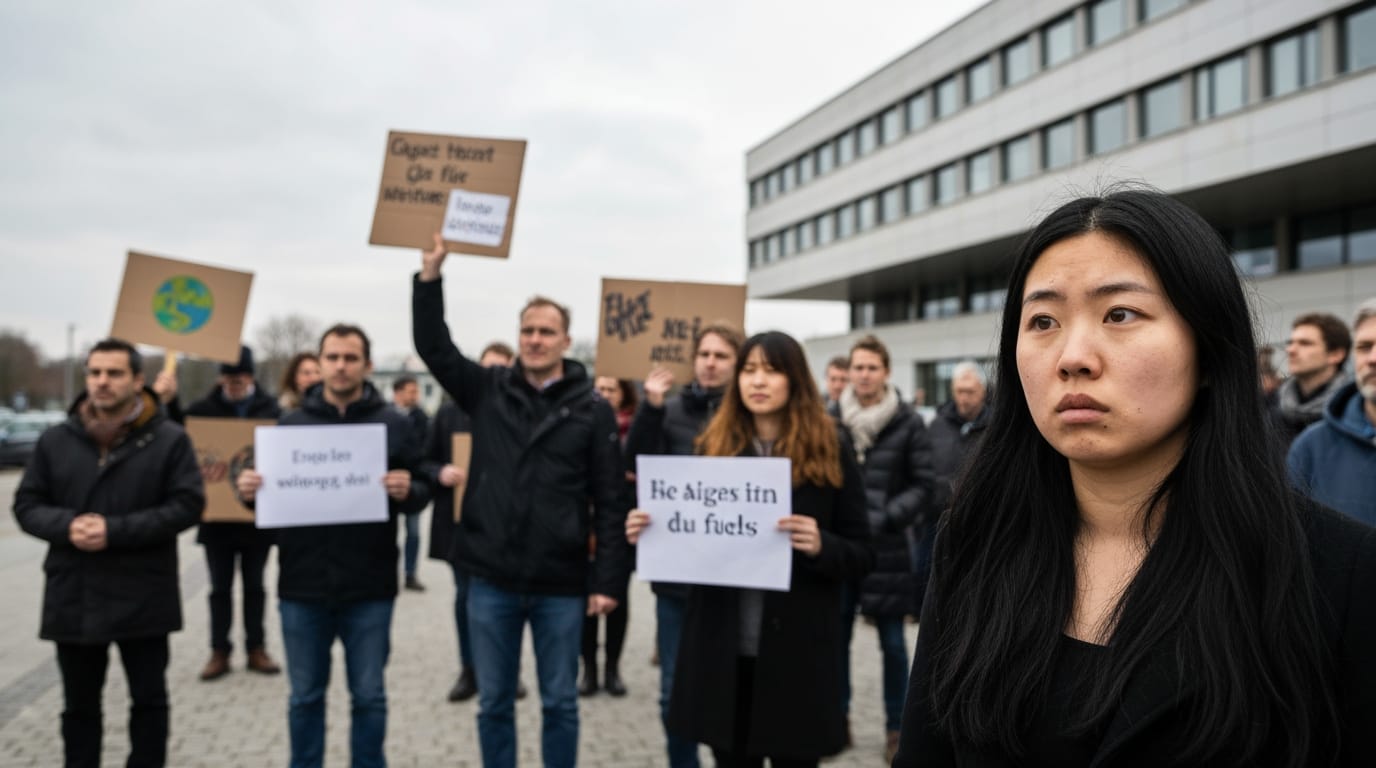
Germany's ambitious path towards a climate-neutral future for its building sector has undergone a significant recalibration, as the governing coalition moves to relax stringent renewable energy mandates in heating systems. The controversial "Heating Law," officially known as the Building Energy Act (GEG), which initially aimed to phase out fossil fuel heating in new installations, is now being revised to offer homeowners greater flexibility, including the continued use of oil and gas boilers under a new "green fuel" quota system. This policy adjustment comes after widespread public outcry and political contention, yet it raises serious concerns among environmental groups and experts about the nation's ability to meet its critical climate targets.
The original Building Energy Act, which came into effect on January 1, 2024, was designed to be a cornerstone of Germany's energy transition, compelling newly installed heating systems to derive at least 65% of their energy from renewable sources. Its primary goals were to reduce Germany's heavy reliance on fossil fuels, enhance energy security, and propel the country towards its legally binding commitment of climate neutrality by 2045. The law also stipulated various transition periods, exemptions for existing systems and certain demographics, and offered substantial subsidies to support homeowners in transitioning to more ecological options like heat pumps. However, the initial draft, which proposed a near-term ban on new fossil fuel heating systems, ignited a fierce public backlash. Critics, amplified by sensationalized media campaigns, decried the law as the "Heating Hammer," arguing it would impose "incalculable costs" on homeowners and amounted to a form of expropriation. This intense opposition, fueled by concerns over affordability and the practicalities of implementation, led to considerable political infighting and a softening of the law's initial provisions.
In response to the persistent criticism and political pressures, the current coalition government, comprising the CDU/CSU and SPD, has now agreed upon a significant reform of the heating legislation. The most pivotal change involves the scrapping of the mandatory 65% renewable energy requirement for new heating systems. Under the revised framework, homeowners will retain the option to install new oil and gas boilers without an immediate renewable energy quota at the time of installation. Instead, the new policy introduces a staggered "green fuel" quota. Starting in 2029, heating systems relying on fossil fuels will be required to gradually incorporate increasing shares of climate-friendly alternatives such as biomethane, hydrogen, or bio-oil. This quota is slated to begin at 10% in 2029 and progressively rise until 2040. The legislation itself will also undergo a symbolic renaming, transitioning from the "Building Energy Act" to the "Building Modernisation Act." This new legislative package is anticipated to be formally adopted by the end of February 2026, with an expected effective date of July 1, 2026.
The government's rationale behind this strategic pivot is to strike a more pragmatic balance between climate action and economic realities, aiming to ease the financial burden on citizens and afford them greater choice in their heating solutions. Economy Minister Katherina Reiche emphasized the intent to restore "greater freedom of choice when replacing heating systems," acknowledging that the previous law had unsettled homeowners and led to a downturn in sales of modern heating systems. Despite these adjustments, financial support for clean heating technologies, including heat pumps and district heating, will remain available through subsidies until at least 2029. However, environmental organizations and leading research institutions have voiced profound apprehension, warning that these reforms could severely compromise Germany's climate ambitions. The Öko-Institut, a prominent environmental think tank, projects that the abolition of the 65% renewable rule could increase cumulative emissions by an estimated 108 to 172 million tonnes by 2040. Critics argue that while the immediate upfront costs for homeowners might be reduced, the long-term operational expenses could paradoxically increase, as "green fuels" remain expensive and scarce, potentially shifting the financial burden from installation to ongoing consumption.
Beyond the domestic debate, the revised heating law is poised to face scrutiny regarding its alignment with broader European climate objectives and its legal standing. Legal experts have raised concerns that diluting the initial GEG, particularly by removing the 65% renewable energy mandate, could be deemed unconstitutional and may violate binding European requirements, such as those outlined in the Energy Performance of Buildings Directive (EPBD). The EPBD mandates member states to develop national renovation plans aimed at achieving zero-emission buildings by 2050, requiring new buildings to be emission-free from fossil fuels on-site as early as 2030. Environmental groups, including Environmental Action Germany (DUH), have indicated they are prepared to pursue legal action if the new program is deemed insufficient or illegal. Furthermore, municipalities across Germany are tasked with developing local heat plans by June 2026 for larger cities and June 2028 for smaller towns, which will play a crucial role in guiding the local transition to decarbonized heating. However, the legal uncertainties and the availability of sufficient "green fuels" to meet future quotas could complicate these planning efforts.
In conclusion, Germany's decision to adjust its heating law represents a delicate balancing act between its ambitious climate protection commitments and the political and economic pressures exerted by its populace. While the government aims to provide homeowners with more flexibility and alleviate immediate financial concerns, the move has ignited a fresh wave of criticism from environmental advocates who fear a significant rollback in climate action. The new "green fuel" quota system, while offering a pathway for continued fossil fuel use, introduces uncertainties regarding fuel availability and long-term costs. As the Building Modernisation Act prepares for its implementation, the ongoing debate underscores the complex challenges Germany faces in decarbonizing its building sector and the persistent tension between immediate political feasibility and the imperative of achieving its overarching climate goals.


