Delhi Hosts Raisina Dialogue Amid Deepening Iran Crisis
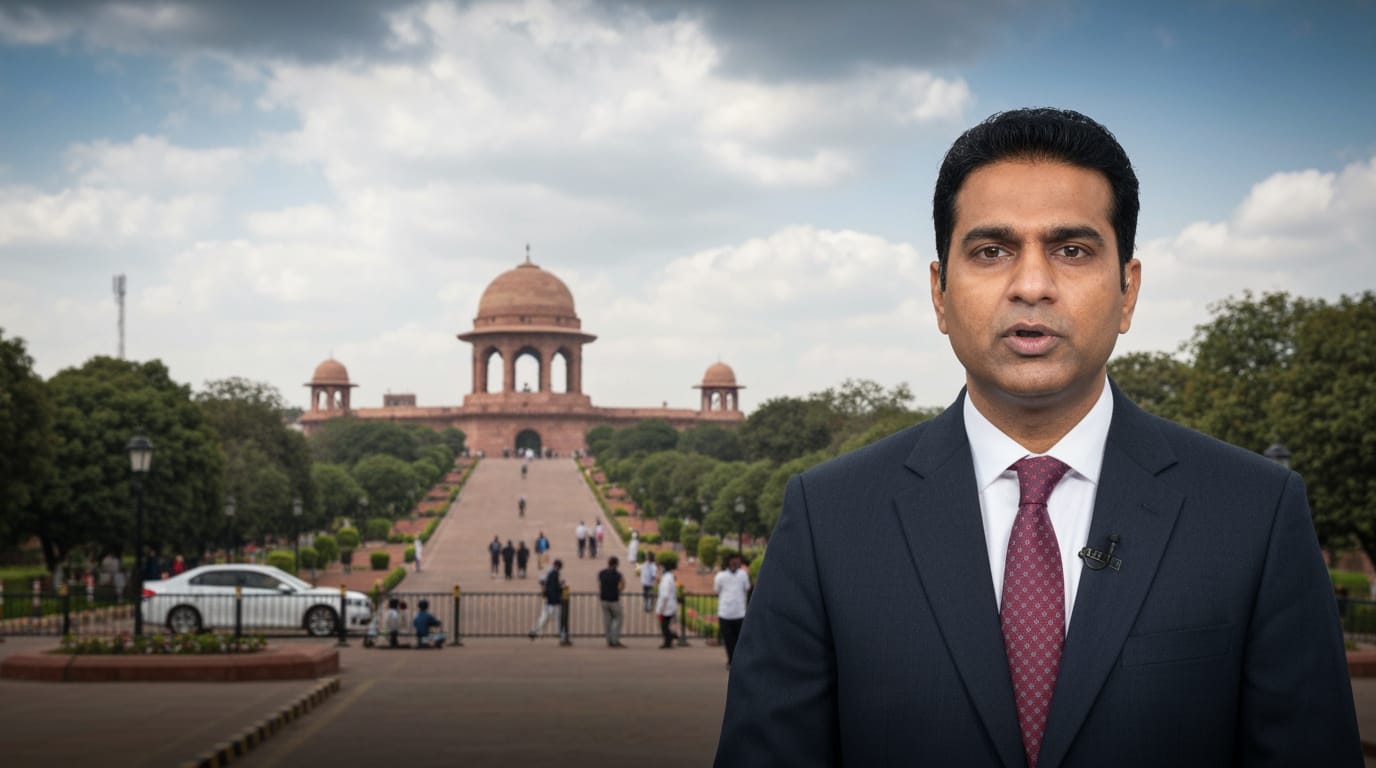
NEW DELHI – Global leaders, policymakers, and strategic thinkers have converged in New Delhi for the Raisina Dialogue, India's flagship conference on geopolitics and geo-economics, set against the backdrop of an escalating and increasingly complex conflict involving Iran. As the eleventh edition of the dialogue commenced on March 5, 2026, discussions are expected to be dominated by the volatile situation in the Middle East, with an ongoing "Iran war" casting a long shadow over international security and economic stability.
The annual three-day summit, co-organized by the Observer Research Foundation (ORF) and India's Ministry of External Affairs, serves as a critical forum for addressing pressing global challenges. This year's theme, "Saṁskāra – Assertion, Accommodation, Advancement," underscores the intricate balance nations must strike in navigating a multipolar world fraught with geopolitical tensions and rapid technological shifts.
A Global Conclave in Turbulent Times
The Raisina Dialogue has solidified its reputation as a premier international gathering, drawing participants from over a hundred countries. The 2026 edition features a distinguished roster of attendees, including Finnish President Alexander Stubb as the chief guest, alongside Malta's Deputy Prime Minister Ian Borg and Bhutan's Foreign Minister Lyonpo D.N. Dhungyel. These high-level participations highlight the dialogue's significance in shaping global policy debates, often compared to the Munich Security Conference.
The agenda spans a wide array of topics, from technological disruption and strategic competition to economic security. However, the unfolding crisis in West Asia, particularly the "Iran war," has become an inescapable point of concern. The dialogue provides a crucial platform for heads of state, foreign ministers, and security experts to deliberate on pathways to de-escalation and regional stability, which remains elusive amid intensifying hostilities.
The Shadow of the Iran Conflict
The current "Iran war" refers to a series of significant and alarming developments. Recent reports indicate US-Israel strikes on Iran, leading to a severely crippled Iranian military, with approximately 2,000 strikes reported. Further exacerbating tensions, Iranian Supreme Leader Khamenei and members of his family, along with top advisors, were reportedly killed at the onset of the conflict on February 28. Such events suggest a profound escalation, moving beyond proxy conflicts to direct military engagement with far-reaching consequences. The White House has indicated that the U.S. may consider escorting tankers through the Strait of Hormuz, a critical maritime chokepoint, signaling a potential expansion of naval involvement and risks to global energy supplies. Despite these pressures, a top aide to the late Ayatollah Khamenei has reportedly stated that Iran has no intention of negotiating with the U.S. and is prepared to continue the war as long as necessary, underscoring the deep-seated resolve and the protracted nature of the conflict.
This current period of extreme tension follows a pattern of strained relations. In January 2020, the Raisina Dialogue also convened amidst heightened US-Iran tensions following the U.S. assassination of Iranian General Qasem Soleimani. At that time, Iranian Foreign Minister Javad Zarif attended the dialogue in Delhi and publicly condemned the U.S. action, highlighting how such events consistently bring the Middle East's geopolitical struggles to the forefront of global discussions.
India's Delicate Balancing Act
For India, the unfolding situation in West Asia presents a formidable diplomatic and economic challenge. With significant economic interests in the Gulf region, including energy imports and a substantial diaspora of approximately 10 million Indian nationals working and residing there, stability in the Middle East is paramount. The Indian Ministry of External Affairs (MEA) has established a special control room and released emergency helpline numbers for Indian embassies across the region to assist its citizens, underscoring the immediate human element of the crisis.
India's historical policy has been to maintain strategic autonomy and engage with all parties in the region. However, the current intensity of the conflict tests this approach. While India condemned the 2020 Soleimani killing as "alarming" and called for de-escalation, its response to the more recent events, such as the killing of Iran's Supreme Leader, has been characterized by a notable silence, particularly from the government. Opposition parties have criticized this silence, even as government officials emphasize the need to avoid jeopardizing the safety of Indians in the Gulf and to preserve ties with other key regional players like the UAE and Saudi Arabia, who have been targets of Iranian actions. This delicate balancing act involves carefully navigating relationships with both the U.S. and its allies, and Iran, while protecting its vital national interests.
Broader Geopolitical Debates
Beyond the immediate crisis in the Middle East, the Raisina Dialogue is also delving into other critical global trends that intersect with regional instability. Key discussions are centered on the transformative impact of Artificial Intelligence (AI) and emerging technologies on global power dynamics and national security. The dialogue also examines strategic competition, particularly in the Indo-Pacific, where issues of maritime cooperation and countering assertive regional powers remain a focus.
The ongoing debates about the global trading architecture, the role of technology in determining political, economic, and military power, and the broader global development agenda all take on new urgency in a world grappling with escalating conflicts. Challenges such as nuclear non-proliferation, including the persistent "Iran nuclear issue," are also on the agenda, underscoring the complex web of interconnected threats facing the international community.
Conclusion
As the Raisina Dialogue 2026 progresses, it serves as a vital arena for frank discussions and strategic foresight in an increasingly volatile global landscape. The pressing reality of the "Iran war" undoubtedly shapes many conversations, demanding urgent attention to de-escalation and stability. India, as host, finds itself at the nexus of these complex geopolitical currents, endeavoring to facilitate dialogue while safeguarding its own critical interests. The outcomes of these high-level deliberations may offer crucial insights into navigating the current global instability and charting a path towards a more secure and cooperative future, even as immediate crises continue to unfold.


