Delhi Residents Face Potential Health Insurance Hike Due to Air Pollution Crisis
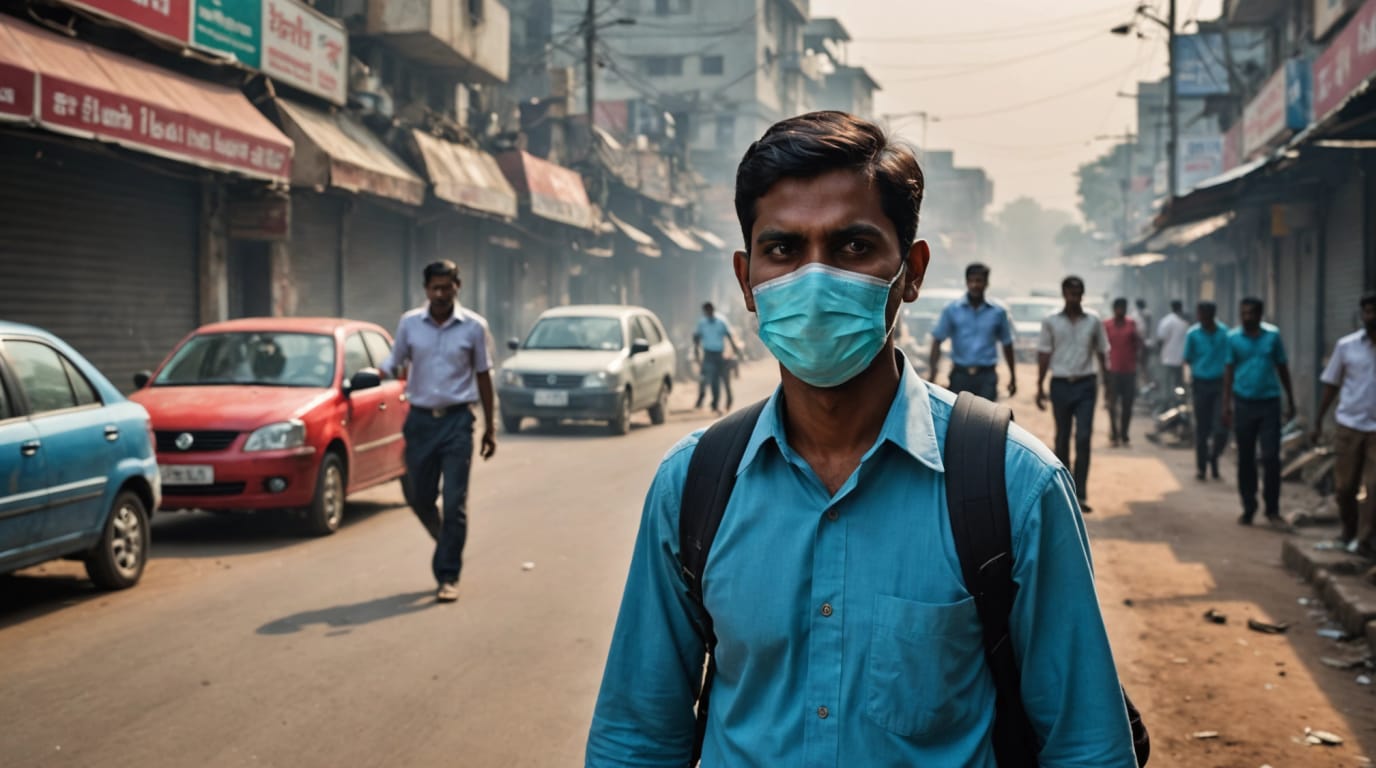
New Delhi's residents could soon see their health insurance premiums rise as insurers consider factoring in the severe impact of air pollution on health, potentially setting a precedent for other polluted urban areas in India. Discussions are underway to increase premiums for new health insurance policies in Delhi by 10-15% following a surge in pollution-related claims in 2024. If approved by the Insurance Regulatory and Development Authority of India (IRDAI), this would mark the first time air pollution directly influences health insurance costs in the country.
Spike in Respiratory Illnesses Drives Premium Re-evaluation
The potential premium hike comes in response to a significant increase in respiratory and cardiovascular ailments in Delhi, directly linked to the city's hazardous air quality. In 2024, Delhi experienced record-breaking air pollution, leading to a sharp rise in hospital admissions for conditions such as asthma and chronic obstructive pulmonary disease (COPD). Hospitalizations related to respiratory issues nearly doubled in the second half of 2024, jumping to 18% from 5-6% in the first half. A joint report by the Boston Consulting Group and Indian healthcare administrator Medi Assist revealed that health insurance claims for respiratory illnesses in Delhi increased by 8.3% between fiscal years 2023 and 2025. Delhi also recorded the highest increase in healthcare costs across India during this period.
Suman Pal, chief claims officer at Onsurity, noted a 58% year-on-year jump in claims for lung diseases in FY24 compared to FY23, with a noticeable rise even among individuals under 40. This surge in respiratory illnesses has prompted insurers to re-evaluate their pricing models and consider air quality as a key factor.
Insurers Push for Pollution-Based Pricing
Leading insurance providers, including Star Health and ICICI Lombard, have indicated that poor air quality could soon become a key factor in setting premiums if pollution levels remain critically high. Bajaj Allianz General Insurance has also suggested introducing specific clauses to address pollution-related health risks in policy terms. However, insurers must first submit evidence to IRDAI demonstrating a direct correlation between toxic air and increased health insurance claims before implementing such changes.
Amitabh Jain, the operating chief of Star Health, India's No.1 standalone health insurer, stated, "We have to start thinking about pollution as a separate factor in the pricing in the sense that can we then start executing a particular charge for the areas which are impacted by it."
Delhi's Air Quality Crisis
Delhi's air quality deteriorates each winter due to a combination of vehicle emissions, industrial pollution, construction dust, and smoke from crop burning in neighboring states. On November 18, 2024, the national capital's Air Quality Index (AQI) reached 491 out of 500, an extreme level that can severely impact even healthy individuals. In November 2024, Delhi briefly surpassed Lahore, Pakistan, as the world's most polluted city, according to Swiss group IQAir. Mumbai and Kolkata were also listed among the top 10 cities with the most toxic air.
The Central Pollution Control Board identifies PM2.5, microscopic particles that can infiltrate the lungs and bloodstream, as the primary culprit behind the city's respiratory and cardiovascular health risks.
Affordability Concerns and Broader Implications
Currently, an annual health insurance policy covering ₹8 lakh to ₹33 lakh for a family in Delhi costs between ₹8,000 and ₹32,000. A 10-15% increase in premiums could make quality healthcare coverage increasingly unaffordable for many residents, especially those most vulnerable to pollution, including senior citizens, children, and outdoor workers.
If IRDAI approves the proposal to factor air pollution into pricing models, it could establish a precedent for similar price hikes in other metropolitan areas struggling with hazardous air quality. This move could also spur demand for more comprehensive policies and add-ons that cover pollution-related illnesses and preventive measures.
Government Initiatives and Long-Term Solutions
The Indian government has launched several initiatives to combat air pollution, including the National Clean Air Program (NCAP) in 2019, which aims to reduce PM concentrations by 20-30% by 2024 through source apportionment studies in 102 cities nationwide. The government has also formulated policies and regulations to control air pollution, including emission standards for industries and vehicles, restrictions on crop burning, and measures to promote cleaner fuels and renewable energy sources.
The Ministry of Environment, Forest and Climate Change is undertaking air quality regulation and actions for abatement of air pollution under the Air (Prevention and Control of Pollution) Act, 1981, and the Environment (Protection) Act, 1985. These acts prescribe the mechanism and authorities for handling the issue.
Long-term strategies to address air pollution effectively include stricter enforcement of environmental regulations, investment in clean technologies, promotion of sustainable urban planning, and public participation in pollution control efforts. Transitioning to cleaner energy sources, improving public transportation infrastructure, enhancing green spaces in urban areas, and fostering a culture of environmental stewardship are also crucial.
Conclusion
The potential health insurance premium hike in Delhi underscores the growing recognition of air pollution as a significant public health and economic issue. While the move may place an additional financial burden on residents, it also highlights the urgent need for comprehensive measures to combat air pollution and protect public health. As insurers consider incorporating air quality into their pricing models, it is essential for the government, industry, and individuals to work together to implement sustainable solutions that mitigate air pollution and ensure affordable access to healthcare for all.


