Democrats Condemn Trump's "Unhinged" Iran Threat Amid Escalating Regional Conflict
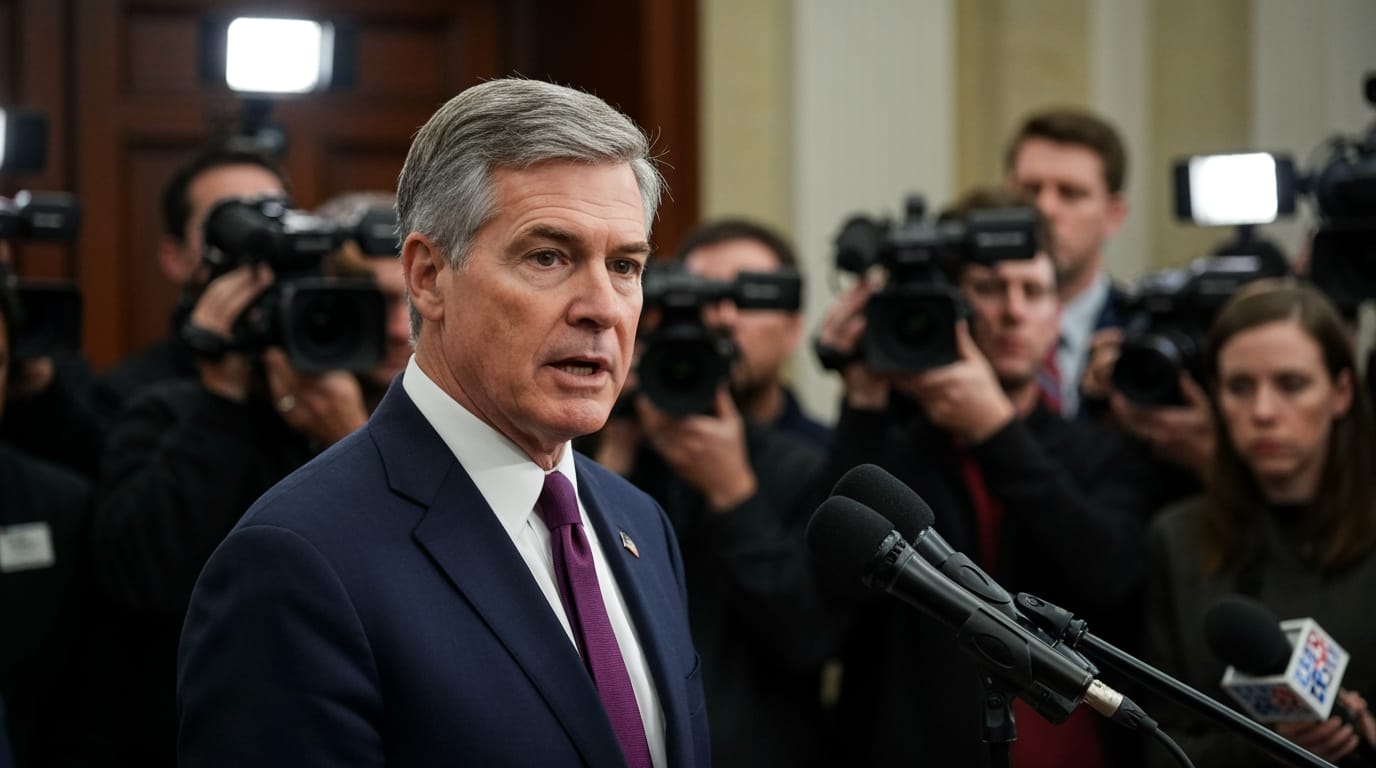
Washington D.C. – A new wave of alarm has swept through the Democratic Party following former President Donald Trump's latest social media pronouncements regarding Iran, with lawmakers denouncing his threats as "unhinged" and questioning his mental fitness to navigate the volatile international landscape. The expletive-laden ultimatum, issued on Easter Sunday, April 5, 2026, demanded Iran reopen the critical Strait of Hormuz by Tuesday or face catastrophic military action, further escalating a five-week-old conflict that has already claimed thousands of lives and triggered a global energy crisis.
Trump's stark warning, posted on Truth Social, explicitly threatened the destruction of Iran's power plants and bridges, declaring, "Tuesday will be Power Plant Day, and Bridge Day, all wrapped up in one, in Iran. There will be nothing like it!!!" This audacious threat arrived just days after a U.S. airstrike targeted a major bridge connecting Tehran and Karaj, resulting in multiple casualties. The ongoing conflict, initiated by a joint U.S.-Israeli offensive on February 28, 2026, has seen the Strait of Hormuz, a vital passageway for a fifth of the world's oil supply, effectively shut down, sending global oil prices soaring.
A Chorus of Criticism: "Unhinged Madman"
Democrats on Capitol Hill reacted swiftly and vehemently to Trump's incendiary remarks, with many questioning his judgment and the implications of such rhetoric during an active military engagement. Senator Bernie Sanders (I-VT) characterized the statements as "the ravings of a dangerous and mentally unbalanced individual," urging immediate congressional action to end the war. Senate Minority Leader Chuck Schumer (D-NY) echoed these concerns, stating, "The President of the United States is ranting like an unhinged madman on social media... He's threatening possible war crimes and alienating allies."
The severity of Trump's language, especially on a religious holiday, prompted some lawmakers to even raise the specter of the 25th Amendment, which outlines the process for removing a president unable to discharge the powers and duties of their office. Senator Chris Murphy (D-CT), a vocal critic of the administration's Iran policy, described Trump's attitude as "completely, utterly unhinged" and suggested that cabinet members should consult constitutional lawyers. The sentiment underscored a deeper frustration among Democrats regarding the administration's approach to the conflict, which they argue lacks a coherent strategy and risks further destabilization.
The Broader Context: A Legacy of Escalation
The current crisis is not an isolated incident but rather the culmination of years of escalating tensions between the United States and Iran, a trajectory largely shaped by the Trump administration's "maximum pressure" campaign during his previous term. In May 2018, then-President Trump unilaterally withdrew the U.S. from the Joint Comprehensive Plan of Action (JCPOA), commonly known as the Iran nuclear deal. This decision, made despite Iran's compliance with the agreement at the time, reimposed stringent sanctions and was met with regret and criticism from U.S. allies and international organizations.
The withdrawal from the JCPOA initiated a period of heightened animosity, with over 1,500 sanctions targeting Iran's economy. Key events in 2019 and 2020, such as attacks on oil tankers, the downing of a U.S. drone, and the assassination of Iranian General Qasem Soleimani, further inflamed tensions, bringing both nations to the brink of direct confrontation multiple times. Democrats have consistently criticized the lack of congressional consultation and a clear diplomatic path under Trump's foreign policy, arguing that it led to increased regional instability.
Humanitarian Catastrophe and Economic Repercussions
The human cost of the escalating conflict has been profound. Reports indicate that over 3,500 people have been killed across the region, including more than 1,200 in Lebanon and at least 1,600 in Iran, with a grim count of 244 children among the deceased. The violence has also resulted in the displacement of over 4 million people, creating a humanitarian crisis that continues to worsen.
Economically, the closure of the Strait of Hormuz has had immediate and severe global consequences. Oil prices have surged to record highs, impacting consumers and economies worldwide. This economic fallout adds another layer of concern for Democratic lawmakers, who are already strategizing about how the ongoing conflict will influence upcoming midterm elections. Some polls suggest that a significant portion of the American public feels less safe due to the administration's decisions regarding Iran.
Democratic Divisions and the Path Forward
While the Democratic Party has largely united in condemning Trump's recent threats and the administration's unilateral approach to military action, some internal divisions have surfaced regarding the broader strategy toward Iran. While many have called for immediate de-escalation and a return to diplomatic solutions, a small faction of centrist Democrats has, at times, expressed support for "decisive action" and opposed efforts to restrain presidential war powers. This nuanced positioning highlights the challenge of forging a unified response to a complex and rapidly evolving international crisis.
The international community, including Russia, has urged the United States to abandon its "language of ultimatums" and pursue a negotiated settlement. European allies have also expressed reservations about the legality of the U.S.-Israeli military actions, emphasizing that the UN Security Council resolution endorsing the original nuclear deal remains a binding legal framework. As the Tuesday deadline looms, the world watches nervously, hoping for a de-escalation of rhetoric and a shift toward diplomacy to avert further catastrophe in an already fractured region.
Conclusion
The recent "unhinged" threats emanating from former President Trump regarding Iran have ignited a firestorm of criticism from Democrats, who view his rhetoric as reckless and destabilizing in an already fraught regional conflict. Coming amidst a backdrop of a five-week war, significant casualties, and a global energy crisis exacerbated by the closure of the Strait of Hormuz, these statements underscore deep-seated concerns about the direction of U.S. foreign policy. The path forward remains uncertain, but the urgency for a coherent strategy that prioritizes diplomacy and de-escalation has never been clearer, both domestically and on the international stage.


