Denmark Dominates, Claims European Handball Crown Over Germany
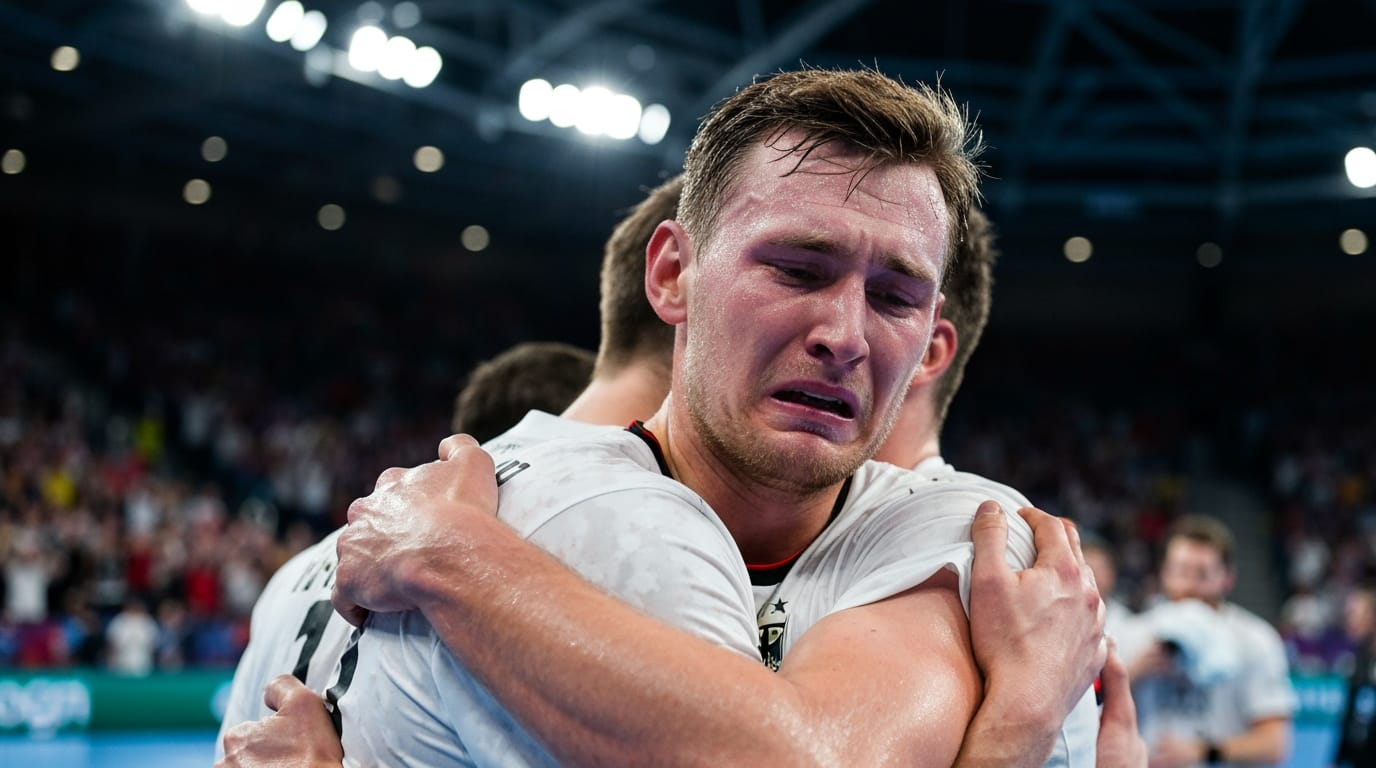
Herning, Denmark – In a highly anticipated clash that underscored a burgeoning rivalry, Denmark decisively defeated Germany 34-27 in the final of the European Men's Handball Championship. The victory, secured on home soil at the Jyske Bank Boxen in Herning on February 1, 2026, marked Denmark's second European title and cemented their status as a powerhouse in international handball. For Germany, it was a valiant effort that ultimately fell short against a superior Danish side, leaving them to reflect on a hard-fought tournament run.
The championship match, played before a fervent crowd, brought together two of Europe's handball giants, both with rich histories in the sport. Denmark entered the final as co-hosts and a formidable force, having consistently reached major tournament finals in recent years. Germany, meanwhile, had shown impressive resilience throughout the competition, exceeding many expectations to reach their fourth European Championship final. The stage was set for a memorable encounter, but the Danes quickly demonstrated their intent to control the narrative.
The Final Showdown in Herning
From the opening whistle, Denmark asserted their authority, showcasing the clinical efficiency and tactical prowess that have become their hallmarks. The Danes established an early lead, displaying a potent offense and a well-organized defense that frustrated German attacks. By halftime, Denmark had built a significant advantage, demonstrating their ability to convert chances and maintain defensive pressure. The home crowd, electric from the outset, spurred their team on, creating an intimidating atmosphere for the German squad.
Mathias Gidsel, a standout performer for Denmark throughout the tournament, once again delivered a stellar performance, contributing significantly to his team's offensive onslaught. His vision, speed, and scoring ability proved instrumental in breaking down the German defense. The Danish attack converted a high percentage of their shots, a key factor in their commanding lead. Germany struggled to find a consistent rhythm against the well-drilled Danish defense, often resorting to longer-range attempts that were less effective. This tactical disadvantage had been noted in an earlier main round meeting between the two teams in the same tournament, where Denmark had similarly forced Germany to shoot from an average of 8.1 meters in positional attacks, 1.4 meters further than their own attempts. Despite intermittent flashes of brilliance from the German side, particularly from their goalkeeper Andreas Wolff, who had been a pivotal figure in their journey to the final, they could not stem the Danish tide. The final whistle confirmed a 34-27 victory for Denmark, igniting jubilant celebrations across Herning and throughout the nation.
Germany's Hard-Fought Campaign
Germany's path to the 2026 European Championship final was marked by determination and a series of hard-won victories. Their journey had captivated fans, and reaching the final was a testament to their improved form and team cohesion. This was their fourth appearance in a European Championship final, with their last title dating back to 2016. However, facing Denmark in a major final had become a familiar, and often challenging, experience. The two nations had previously met in the gold medal match of the 2024 Paris Olympics, where Denmark had also emerged victorious with a decisive 39-26 scoreline.
Throughout the 2026 European Championship, Germany had demonstrated resilience and tactical adaptability. Their defense, often spearheaded by the formidable presence of Andreas Wolff in goal, had been crucial in navigating tough group stage and main round encounters. Wolff, who was set to become Germany's sole record holder for the number of EHF EURO matches played with 42 games, passing Klaus-Dieter Petersen, exemplified the team's fighting spirit. Despite their collective efforts, the German offense struggled to consistently penetrate the Danish defensive wall in the final. The pressure of the occasion, combined with Denmark's relentless performance, proved to be an insurmountable hurdle. The defeat, though disappointing, did not overshadow the significant progress Germany had made, reaffirming their place among the elite teams in European handball.
Denmark's Undisputed Reign
For Denmark, the 2026 European Championship title marked another significant achievement in an era of unparalleled success. This victory was their first European Championship gold since 2012, and it held special significance as they became champions on home soil for only the second time in their history. The Danes have consistently been a dominant force, reaching multiple finals across various major tournaments in recent years. Their triumph at the 2024 Paris Olympics against Germany was a clear precursor to their European success, showcasing their deep roster and tactical depth.
The team's sustained excellence is a reflection of a well-established system, exceptional player development, and a winning mentality. Key players like Mathias Gidsel embody the modern Danish handball philosophy—fast, skillful, and strategically astute. The leadership and experience within the squad, including players like Rasmus Lauge, who was the only Dane on the court when they won gold in 2012, provide a solid foundation for their continued success. This latest European title further solidifies Denmark's position as the team to beat, setting a high bar for their competitors on the international stage.
A Rivalry Forged in Finals
The 2026 European Championship final between Denmark and Germany was more than just a single match; it was the latest chapter in a burgeoning rivalry that has defined recent major handball tournaments. The intensity of their clashes, highlighted by Denmark's victories in both the 2024 Olympic final and now the 2026 European Championship final, points to a competitive dynamic that promises many more thrilling encounters. Both teams possess distinct playing styles and deep talent pools, making their matchups compelling viewing for handball enthusiasts.
The tactical battles between the two nations are often decided by fine margins. In the 2026 Euro main round, Denmark's ability to dictate Germany's shooting positions, forcing them further from the goal, underscored their strategic advantage. Germany, despite these recent setbacks against their northern neighbors, continues to demonstrate the capacity to reach the pinnacle of the sport. As both teams look ahead to future championships, including the upcoming 2025 World Championship where they also met, their rivalry is poised to remain a central narrative in men's international handball, driving both nations to continually refine their game and strive for supremacy.
In conclusion, Denmark's victory in the 2026 European Men's Handball Championship final was a powerful statement of their sustained dominance in the sport. While Germany fought admirably and showcased significant progress, they ultimately succumbed to a clinical Danish performance. The match served as a thrilling culmination to an exciting tournament, further cementing the intense rivalry between these two handball powerhouses and setting the stage for future epic encounters.


