Denmark Heads to Polls Amid Geopolitical Storm Over Greenland
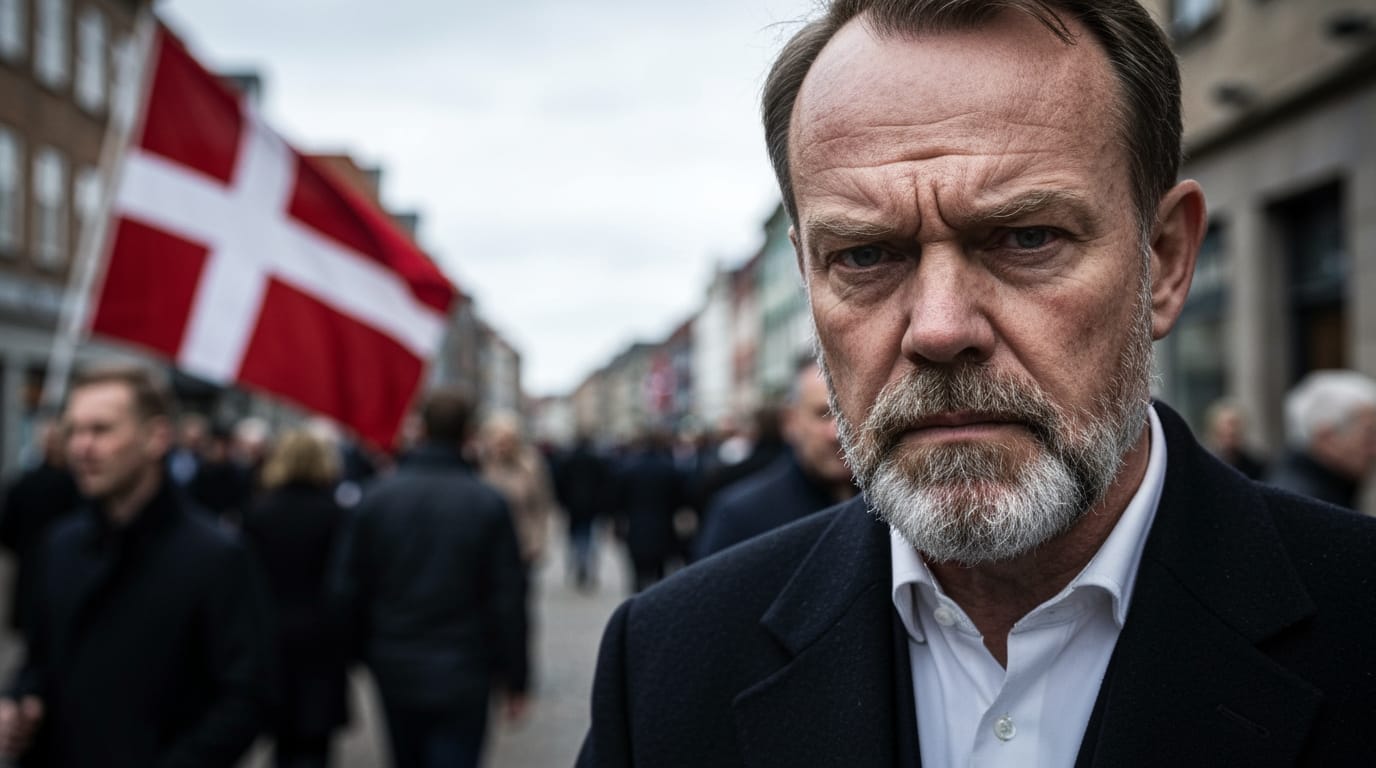
Copenhagen, Denmark – Danish citizens are casting their ballots today in a snap general election, a vote largely overshadowed by an unprecedented geopolitical confrontation with the United States over the future of Greenland. Prime Minister Mette Frederiksen’s call for an early election comes after months of escalating tensions fueled by former U.S. President Donald Trump's renewed assertions of a desire to acquire the vast Arctic territory, even threatening military or economic force. This high-stakes election is poised to determine not only Denmark’s domestic leadership but also its strategy for navigating a complex international landscape where its self-governing territory, Greenland, has become a pivotal point of global contention.
The Unfolding Greenland Crisis: A Geopolitical Chessboard
The diplomatic crisis, which first emerged during Trump’s initial presidency in 2019 with an "absurd" offer to purchase Greenland, re-ignited with alarming intensity in January 2025. Just weeks before taking office, Trump reportedly stated he would not rule out using military or economic measures to gain control of Greenland, a semi-autonomous island within the Kingdom of Denmark. This aggressive stance was amplified by a visit from his son, Donald Trump Jr., to Greenland, where he suggested the local population would "benefit tremendously" by becoming part of the United States. These actions prompted a strong rebuke from Danish Prime Minister Frederiksen, who earlier this year warned that an American takeover of Greenland would effectively signal the "end of NATO."
The U.S. pressure did not relent, with Vice President J.D. Vance reportedly criticizing Denmark's capacity to ensure Greenland's security. By December 2025, Trump appointed Louisiana Governor Jeff Landry as a special envoy to "lead the charge" for Greenland, and in early January 2026, he publicly stated, "We do need Greenland," citing concerns that if the U.S. did not secure it, "Russia or China will take over Greenland." These remarks propelled Greenland's sovereignty and its strategic importance into the heart of Danish political discourse, transforming what was once a fringe issue into a central election theme. Europe, too, has expressed growing concerns about Arctic security and the need for a unified response to external pressures on its allies.
Denmark's Response and the Electoral Gamble
Prime Minister Mette Frederiksen's government found itself at the nexus of this international storm. Her firm and vocal rejection of Trump's proposals, famously labeling the initial offer "absurd," has been widely credited with boosting her public image domestically. Facing waning support in her second term due to rising living costs and domestic issues, Frederiksen reportedly sought to leverage this "Greenland bounce" by calling a snap election several months ahead of schedule. The hope was that her resolute leadership during the crisis would resonate with voters and secure her a third term. While the crisis has somewhat "simmered down" after Trump's short-lived tariff threats and subsequent technical talks between the U.S., Denmark, and Greenland on an Arctic security deal, its impact on the political landscape remains profound.
The election has become, in part, a referendum on how effectively Denmark can assert its sovereignty and navigate complex international alliances under pressure. Danish voters, accustomed to a strong relationship with the U.S., a fellow NATO founding member, have been forced to re-evaluate their closest alliance following Trump's actions. Frederiksen has even suggested that the U.S. is no longer Denmark's "closest ally," though it remains its "most important." This shift underscores the deep diplomatic ripples caused by the Greenland dispute.
Greenland's Internal Divisions and Aspirations
For Greenland itself, a self-governing territory of 57,000 people with a right to self-determination, the international spotlight has brought both challenges and opportunities. Greenlandic politicians are actively using this heightened attention to press for greater influence and concessions from Copenhagen. The island's long-standing independence movement, which has gained traction in recent years, is at a critical juncture. While all six major Greenlandic political parties support eventual independence, they diverge significantly on the timeline and approach.
The Demokraatit (Democrats), the party that won Greenland's own parliamentary elections in March 2025, advocates a gradual path toward independence, prioritizing economic self-sufficiency before a full break from Denmark. In contrast, the opposition Naleraq party pushes for a swift separation and has even explored signing a free association agreement with the United States in exchange for economic and security support. This internal debate highlights Greenland's delicate balancing act: asserting its sovereignty while navigating its financial reliance on an annual Danish subsidy of approximately $500 million, which constitutes more than 20% of its GDP. Many Greenlanders also accuse Denmark of unfairly benefiting from their fishing industry and failing to adequately protect Greenlanders living in Denmark from discrimination.
Domestic Concerns and the Electorate's Focus
Despite the dramatic international backdrop, domestic issues continue to heavily influence Danish voters' decisions. Key concerns include the rising cost of living, healthcare, pensions, potential wealth taxes, climate change, and immigration. While metropolitan Danes acknowledge Greenland's importance, many indicate that it is not the primary factor determining their vote. A senior researcher at the Danish Institute for International Studies noted that while Greenland "captured the minds of the Danish electorate," it lacked traction as a main campaign issue because there was broad consensus among Danish parties on its place within the Kingdom.
However, the handling of the Greenland crisis has inadvertently highlighted the leadership qualities of the incumbent prime minister, potentially swaying undecided voters. Opinion polls before the election suggested Frederiksen was favored to retain power, even if her Social Democrats might see a reduction in their vote share. The fragmented nature of Danish politics, with over a dozen parties competing for seats, means that the four representatives from Greenland and the Faroe Islands in the 179-seat Folketing could play a decisive role in forming a governing coalition.
Conclusion: An Uncertain Future for the Kingdom
Today's election in Denmark marks a critical juncture for the Nordic nation and its Arctic territory. The "Greenland threat," emanating from renewed U.S. ambitions, has forced a profound re-evaluation of Denmark's international relationships and underscored Greenland's undeniable geopolitical significance. As Danes head to the polls, they are not only choosing a government to address domestic priorities but also endorsing a vision for how Denmark will navigate its role as a small state facing pressure from a major power and supporting its autonomous territory's aspirations. The outcome will shape Denmark's foreign policy, its commitment to Arctic stability, and the complex path forward for Greenland – a path that balances independence, security, and the enduring ties within the Kingdom of Denmark.


