Denmark Rocked by Suspected Gang Shooting, Several Wounded in Holbæk
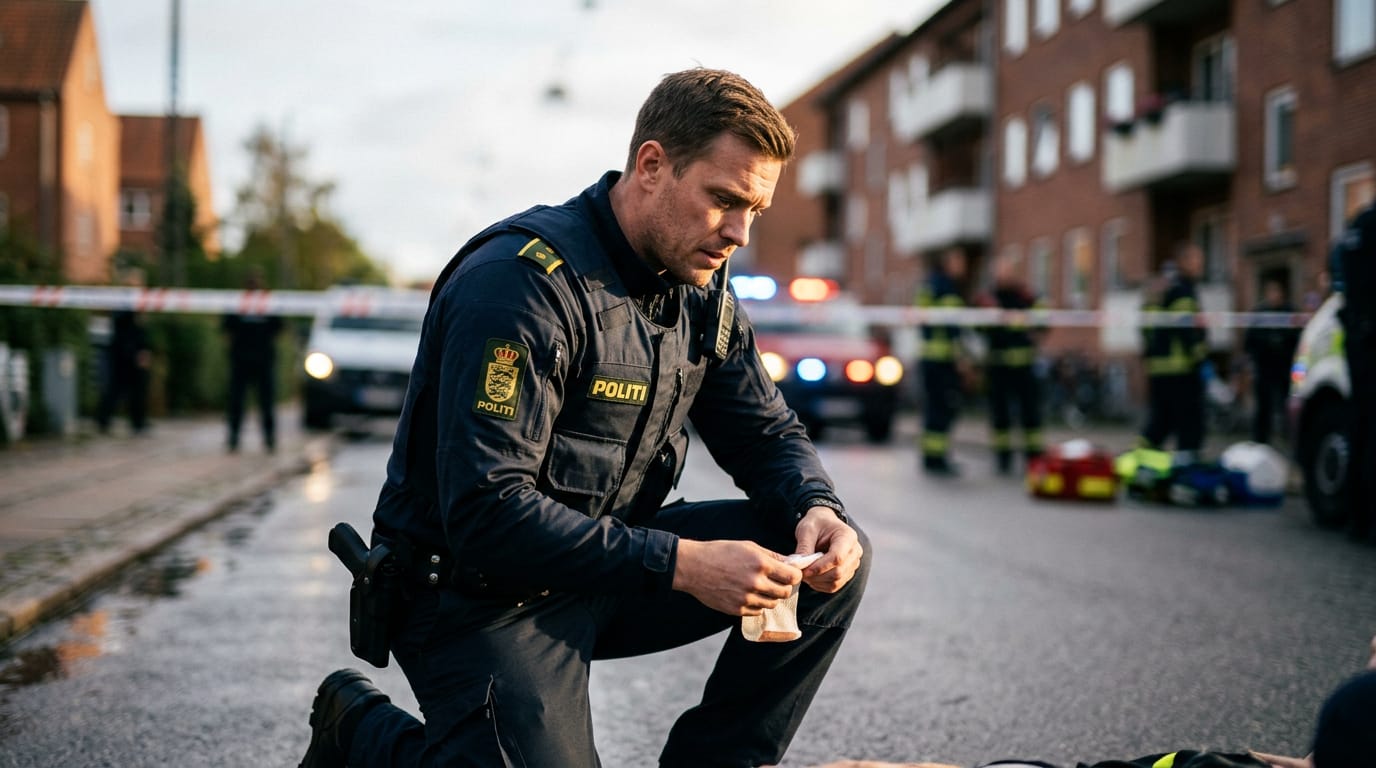
HOLBÆK, Denmark – A suspected gang-related shooting in Holbæk, approximately 70 kilometers (45 miles) west of Copenhagen, has left several individuals wounded, prompting a major police response and renewed concerns over organized crime in Denmark. The incident, which occurred Sunday afternoon, is believed by authorities to be a targeted "settling of scores within the criminal milieu," underscoring the persistent challenge posed by criminal networks across the Scandinavian nation.
The shooting unfolded in the Agervang neighborhood of Holbæk, a typically quiet area now marked by an active police investigation. Emergency services were dispatched to multiple locations within the town following reports of gunfire, with police confirming that several people had been struck. Preliminary information indicates that the perpetrators fled the scene in a white car, leading to an ongoing manhunt across the region. Authorities have yet to release details regarding the exact number of victims or the severity of their injuries, focusing efforts on securing the area and gathering crucial evidence. The incident was first reported to police around 3:45 PM (1345 GMT), initiating a rapid and extensive response from the Central and West Zealand Police.
A Recurring Shadow: Gang Violence in Denmark
While Denmark is generally regarded as a peaceful nation with high public trust in its institutions, gang violence has been an enduring and complex problem, particularly concentrated in its urban centers like Copenhagen and surrounding areas. The criminal landscape is dominated by various organized groups, including well-established motorcycle gangs such as the Hells Angels and Bandidos, alongside street-based networks like Loyal to Familia (LTF) and Brothas. These groups are deeply entrenched in illicit activities ranging from drug trafficking and extortion to violent crime, money laundering, and even human trafficking. The illicit drug trade, particularly cocaine and cannabis, fuels much of this violence, with Danish ports serving as critical trans-shipment hubs for narcotics across Scandinavia and Europe.
The violence often manifests as territorial disputes or internal power struggles, leading to retaliatory shootings and stabbings that threaten public safety. In recent years, Copenhagen has experienced periods of heightened gang activity, including a surge in shootings and explosions from 2017 to 2019. While overall gang-related shootings saw a decline in 2023 with 21 incidents resulting in four deaths, and two shootings with one fatality in the first quarter of 2024, the Holbæk incident serves as a stark reminder that the threat remains potent and widespread. Authorities estimate that over a thousand individuals are affiliated with criminal gangs in Denmark, predominantly in urban environments, though the exact figures remain elusive due to the clandestine nature of these organizations.
The Alarming Trend of Cross-Border Recruitment
A particularly concerning development in Denmark's battle against gang violence is the increasing trend of domestic criminal organizations recruiting Swedish teenagers to carry out violent acts on Danish soil. Danish Justice Minister Peter Hummelgaard recently condemned this "sick, depraved culture of violence," revealing that Danish gangs have hired young Swedes for crimes in Denmark at least 25 times since April. This cross-border recruitment is largely driven by a loophole in Swedish law, which often imposes lighter penalties on minors for serious offenses, making them attractive "child soldiers" for criminal enterprises.
These young recruits, sometimes as young as 12, are often lured via social media with promises of significant payments, with "hitmen" allegedly offered between 300,000 to 500,000 Danish Kroner (approximately $28,500 to $47,500) to execute shootings. This transnational dimension has compelled close cooperation between Danish and Swedish authorities. Efforts include joint police operations, the posting of Swedish police in Copenhagen, and discussions on legal reforms to address this specific challenge, including potentially lowering the minimum age for criminal prosecution in Denmark and implementing advanced surveillance technologies like facial recognition and encrypted message monitoring.
Legislative Responses and Community Resilience
In response to persistent gang activity, the Danish government has implemented a series of comprehensive "gang packages" aimed at curbing violence and dismantling criminal networks. These legislative measures have introduced harsher penalties for offenses committed within organized criminal structures, particularly those involving firearms or explosives, and have expanded police powers to conduct covert investigations and restrict gang members' presence in specific areas. These efforts have been widely supported across the political spectrum and are credited with contributing to a reduction in the use of weapons in gang conflicts by increasing the duration of imprisonment for offenders.
Beyond law enforcement, Denmark also focuses on crime prevention programs, particularly those targeting youth vulnerable to gang recruitment. Initiatives by municipalities and community organizations strive to offer alternatives to a life of crime, recognizing that addressing the root causes of gang involvement is crucial for long-term success. Despite the challenges, public trust in law enforcement remains a strong asset, enabling authorities to implement robust measures to maintain safety and order.
Conclusion: An Ongoing Battle for Public Safety
The suspected gang shooting in Holbæk is a sobering reminder that Denmark's fight against organized crime is an ongoing and evolving battle. While legislative frameworks, enhanced police powers, and international cooperation are critical tools, the adaptability and transnational nature of criminal gangs necessitate continuous vigilance and innovation from authorities. The incident highlights the inherent dangers posed by these criminal networks to both individuals directly involved and the broader community, reinforcing the commitment of Danish police to pursue those responsible and safeguard public safety. The complexities of combating gang violence, particularly with the added dimension of cross-border recruitment, underscore the multifaceted approach required to protect communities and uphold the rule of law in Denmark.


