Desperate Voyages: Rohingya Flee Persecution and Despair on Deadly Seas
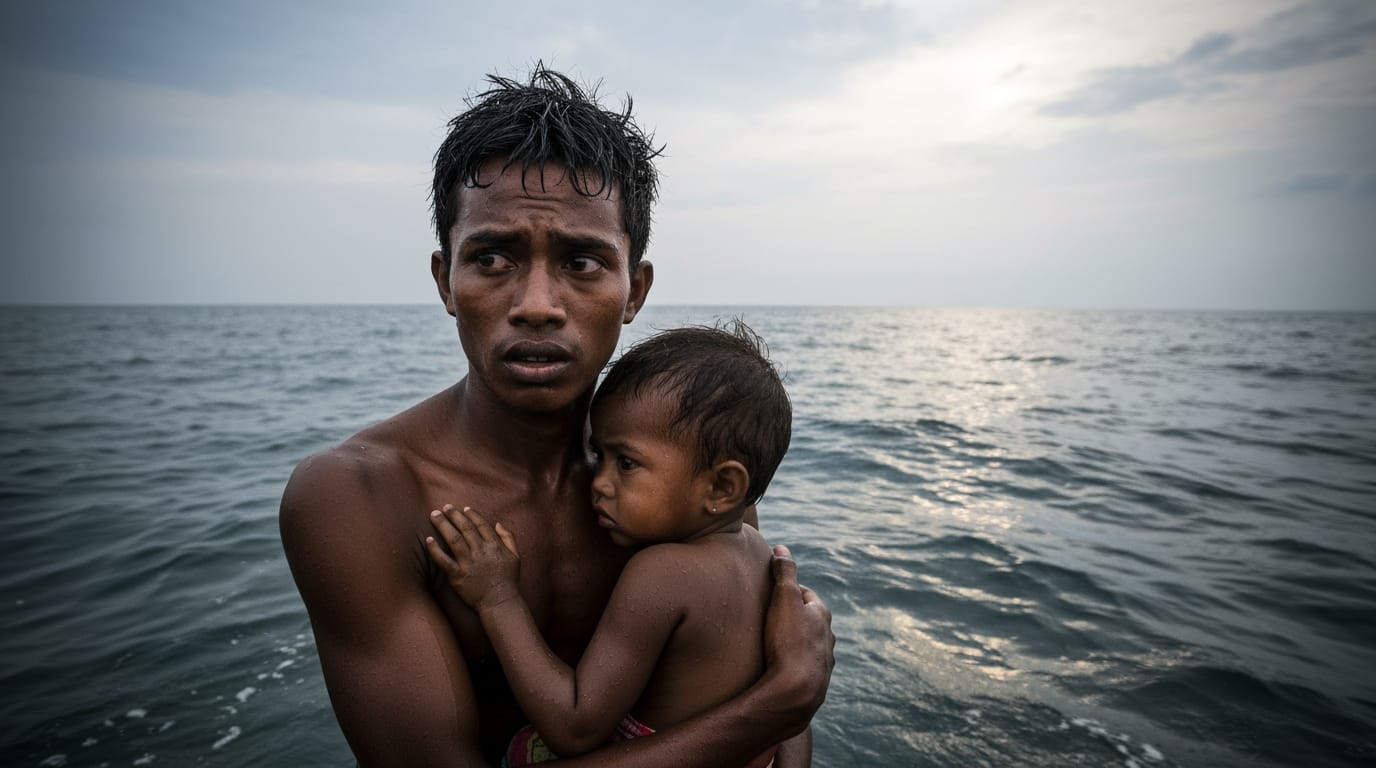
An escalating humanitarian crisis is unfolding in the Andaman Sea and Bay of Bengal as thousands of Rohingya refugees, including a growing number of women and children, embark on perilous sea journeys to escape unrelenting persecution in Myanmar and dire conditions in overcrowded refugee camps in Bangladesh. Driven by a profound sense of hopelessness, these vulnerable individuals risk their lives on unseaworthy vessels, often falling prey to ruthless human traffickers in a desperate search for safety and a dignified future. The journeys have become increasingly deadly, drawing urgent calls for international action and regional cooperation to prevent further loss of life.
A Stateless People in Peril: Roots of Displacement
The Rohingya, a predominantly Muslim ethnic minority, have faced decades of systematic discrimination and violence in Myanmar, where they are denied citizenship despite generations of residence, rendering them largely stateless. This persecution intensified in August 2017 when a military crackdown in Myanmar's Rakhine State, described by the UN as a "textbook example of ethnic cleansing" and widely considered acts of genocide, forced over 700,000 Rohingya to flee to neighboring Bangladesh. They joined hundreds of thousands who had fled earlier waves of violence, creating the world's largest refugee camp in Cox's Bazar.
Even within Bangladesh, their plight remains severe. Over one million Rohingya refugees live in fragile, overcrowded settlements where they face ongoing violence, poor living conditions, and restricted access to healthcare, education, and livelihoods. Women, girls, and children are particularly vulnerable to abuse, exploitation, and trafficking within the camps. Compounding these challenges, humanitarian funding has been steadily declining, leading to cuts in essential services and food rations. This confluence of sustained persecution in their homeland and a deteriorating humanitarian situation in displacement has left many Rohingya feeling they have no choice but to seek an alternative, no matter how dangerous.
The Deadly Lure of the Sea
The decision to embark on a sea journey is a testament to the extreme desperation faced by the Rohingya. Many are enticed by human traffickers with false promises of better lives, safety, or opportunities in Southeast Asian countries like Malaysia, Indonesia, and Thailand. The routes typically involve treacherous crossings across the Bay of Bengal and the Andaman Sea. These voyages are frequently undertaken on flimsy, unseaworthy fishing boats, often spending weeks at sea with inadequate food and water.
The dangers are manifold and brutal. Refugees face starvation, dehydration, physical abuse, and sexual violence from traffickers. Vessels frequently capsize, especially during severe weather, leading to mass drownings. In March 2024, a boat carrying approximately 142 Rohingya capsized off the coast of West Aceh, killing 67 passengers, including at least 27 children. Reports indicate that traffickers may beat migrants on camera to extort more money from their families. The United Nations High Commissioner for Refugees (UNHCR) estimates that for every eight people attempting the journey in 2023, one Rohingya was reported to have died or gone missing, making these waters among the deadliest in the world.
Alarming Surge in Maritime Departures and Casualties
The number of Rohingya undertaking these hazardous journeys has surged dramatically in recent years. In 2023, nearly 4,500 Rohingya embarked on sea voyages, marking the highest number since 2015. Tragically, 569 people died or went missing during these attempts, the highest death toll in nine years. The trend continued into 2024, with approximately 1,300 people embarking on sea movements in the first half of the year, and 104 reported dead or missing. Projections for 2025 also indicate a continued high level of departures.
A particularly alarming statistic is the increasing proportion of women and children among those risking their lives at sea. In 2024, children made up nearly half (44%) of documented arrivals, a significant increase from 37% in 2023. Overall, women and children comprised 70% of those attempting dangerous sea crossings between 2022 and 2024. This highlights the immense pressure on entire families to escape their desperate circumstances. Many of these young individuals, having been born in the camps, have never known a life of peace or opportunity, viewing the perilous journey as their only hope.
Lukewarm Welcome and Persistent Pushbacks
Upon reaching the shores of Southeast Asian nations, Rohingya refugees often face a hostile reception. Regional governments in Malaysia, Indonesia, and Thailand have frequently engaged in "pushbacks," turning away boats in distress and denying safe disembarkation, in violation of international maritime law and humanitarian principles. Even when rescued, Rohingya refugees face the threat of prolonged detention and limited access to asylum processes. In some instances, reports suggest that local communities have even pushed boats back to sea.
Indonesia has seen a significant increase in Rohingya arrivals, particularly in Aceh province, with over 2,300 arriving in 2023, surpassing the total of the previous four years combined. However, even in Indonesia, where local fishermen have at times aided rescues, concerns remain about long-term solutions and the risk of detention. Malaysia, a common destination, does not formally recognize refugees, and arrivals are often considered undocumented migrants at risk of harassment, detention, or deportation. Thailand has also been accused of pushbacks and arresting Rohingya found on its soil.
Calls for Concerted Action and Shared Responsibility
International bodies and human rights organizations have repeatedly called for a more humane and coordinated regional response. The UNHCR emphasizes the humanitarian imperative of saving lives and the longstanding duty under international maritime law for search and rescue and safe disembarkation. They urge Southeast Asian nations to end pushback policies and instead undertake coordinated efforts to bring boats ashore and provide humanitarian aid.
The crisis underscores the urgent need to address the root causes of displacement in Myanmar and to improve conditions in the Bangladesh camps to mitigate the drivers of these perilous journeys. With the monsoons exacerbating already dangerous sea conditions, the humanitarian situation demands immediate and sustained international attention and funding. Without a comprehensive approach that prioritizes protection, upholds human rights, and fosters regional cooperation, the desperate voyages of the Rohingya will undoubtedly continue, claiming more lives and deepening one of the world's most protracted humanitarian crises.


