South Africa Deploys Soldiers to Cities Amid Escalating Crime Crisis
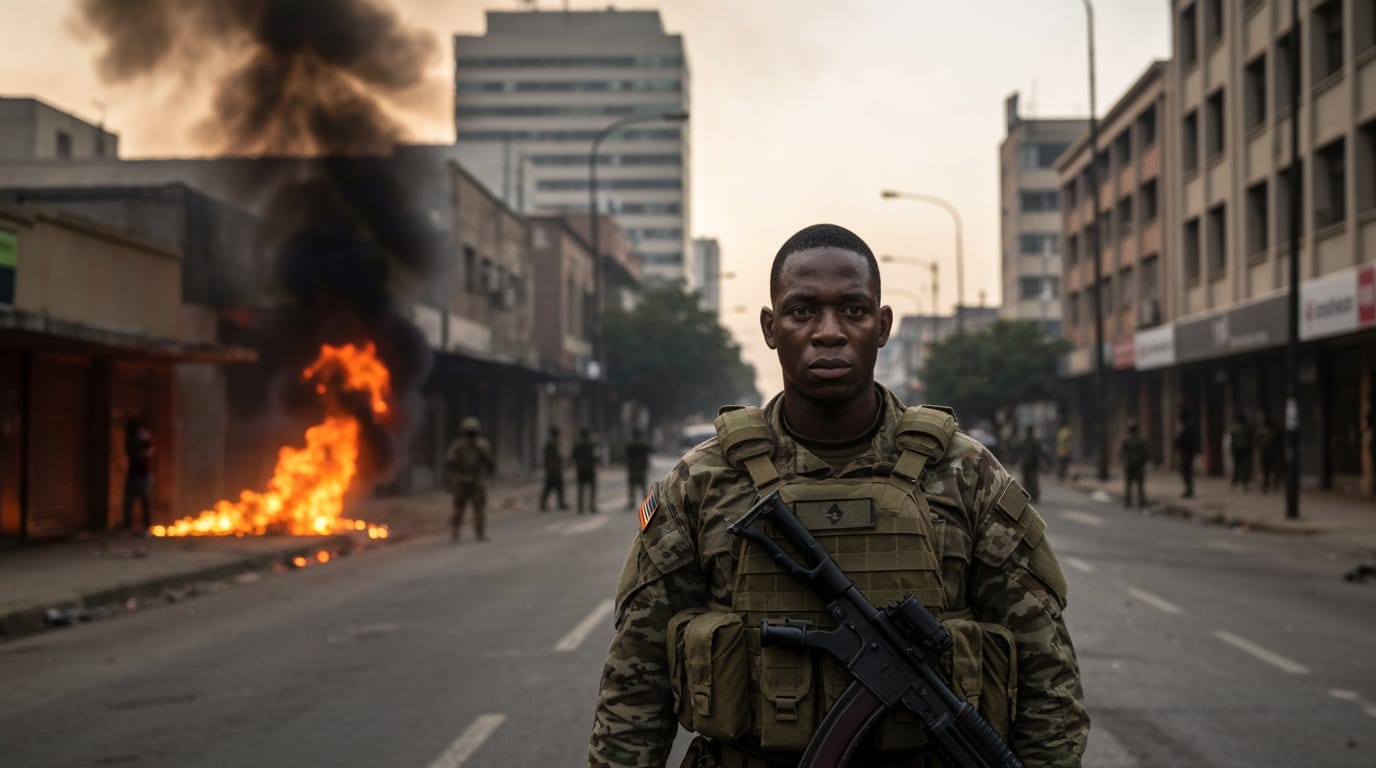
Johannesburg, South Africa – In an unprecedented move reflecting a deepening internal security crisis, South Africa has begun deploying its national defense force to major urban centers. Soldiers were seen patrolling the streets of Johannesburg this week, marking the initial phase of a large-scale military intervention aimed at curbing rampant organized crime, gang violence, and illegal mining operations that President Cyril Ramaphosa has described as the "most immediate threat" to the nation's democracy and economic stability. This deployment signals a significant shift in domestic security strategy, underscoring the severity of a crime wave that has pushed the South African Police Service (SAPS) to its limits and sparked public debate about the military's role in civilian life.
The Immediate Response to a Crime Epidemic
The latest deployment saw soldiers descend on Johannesburg suburbs such as Riverlea and Eldorado Park on Wednesday, March 11, 2026, to assist police in tackling crime hotspots. This initial phase involves 550 soldiers for Gauteng province, where Johannesburg is located, with a planned duration until the end of April. The broader operation will extend to five of South Africa's nine provinces, targeting illegal mining in Gauteng, North West, and Free State, and gang violence in the Western Cape and Eastern Cape. The military presence is projected to last for a year, with an estimated cost of R80 million for the Gauteng deployment alone. President Ramaphosa had announced this intent in his annual State of the Nation Address in February, emphasizing the need for a decisive response to what he termed the greatest threat facing the country.
The decision comes as South Africa grapples with some of the highest violent crime rates globally. Police reported 6,351 homicides between October and December 2025, averaging nearly 70 murders per day in a population of approximately 62 million. Gang violence, particularly prevalent in the Western Cape's Cape Flats area and parts of the Eastern Cape, has turned communities into war zones, with deadly turf battles for control of illegal drug trades and extortion rackets. Meanwhile, illegal mining, often run by heavily armed syndicates known as "zama zamas," fuels widespread lawlessness and violence, especially around abandoned mine shafts in provinces like Gauteng. These criminal activities not only claim lives but also undermine the state's authority and hinder economic development.
A Pattern of Internal Deployments and Public Scrutiny
The current deployment is not an isolated incident but rather the latest in a series of instances where the South African National Defence Force (SANDF) has been called upon for internal security duties. In 2021, over 25,000 troops were deployed to quell widespread riots and looting that erupted following the imprisonment of former President Jacob Zuma, marking the largest deployment of the SANDF since 1994. Prior to that, soldiers were utilized in 2023 to respond to truck burnings, in 2020 to enforce strict COVID-19 lockdown regulations, and in 2019 to support police operations against gangs in the Cape Flats.
This recurring reliance on the military for domestic law enforcement functions inevitably evokes historical sensitivities. During the apartheid era, the South African Defence Force (SADF) was controversially deployed to townships to suppress anti-apartheid protests, a period remembered for its brutal repression. President Ramaphosa acknowledged this painful past, stating that the current deployment was carefully considered and deemed "necessary due to a surge in violent organized crime that threatens the safety of our people and the authority of the state." The government emphasizes that the SANDF will operate under police command, acting in support of the SAPS to restore law and order, rather than as a primary policing force.
Balancing Support and Concerns
While many residents in affected areas have reportedly welcomed the military's presence, hoping for a return to safety, the decision has not been without its critics. Some political parties and security experts argue that deploying the army is an admission of the police force's failure to curb crime, suggesting a systemic collapse of crime intelligence and basic policing services. Concerns have also been raised that soldiers are not trained for civilian policing, potentially leading to unintended consequences or human rights issues. These critics advocate for a long-term overhaul of the SAPS, focusing on intelligence-led operations, detective work, and dismantling criminal networks, rather than tactical military interventions.
The government, through Acting Police Minister Firoz Cachalia, has defended the mission, clarifying that the deployment is not a "magic bullet" but rather a temporary measure to stabilize communities and create an environment conducive to the implementation of a broader organized crime strategy. The Chairperson of the Portfolio Committee on Defence and Military Veterans, Mr. Dakota Legoete, has also expressed support, highlighting the SANDF's constitutional duty to defend and protect the Republic and its people when criminal elements hold communities hostage.
Conclusion: A Nation at a Crossroads
South Africa's decision to deploy its military to cities is a stark indicator of the profound challenges posed by escalating crime and insecurity. It represents a government grappling with profound internal threats, seeking to restore order and protect its citizens. While the immediate objective is to quell the surge in violent crime and illegal activities, the repeated reliance on the military for domestic duties underscores deeper issues within the nation's law enforcement capabilities and socio-economic fabric. The coming year will be crucial in determining whether this military intervention can achieve its stated goals, providing the necessary breathing room for more sustainable, long-term solutions to take root, or if it will simply serve as a temporary reprieve in an ongoing battle against pervasive lawlessness. The delicate balance between restoring stability and upholding democratic principles remains a critical challenge for the nation.


