Desperation and Deception: Africans Lured to Ukraine Front Lines as Casualties Mount
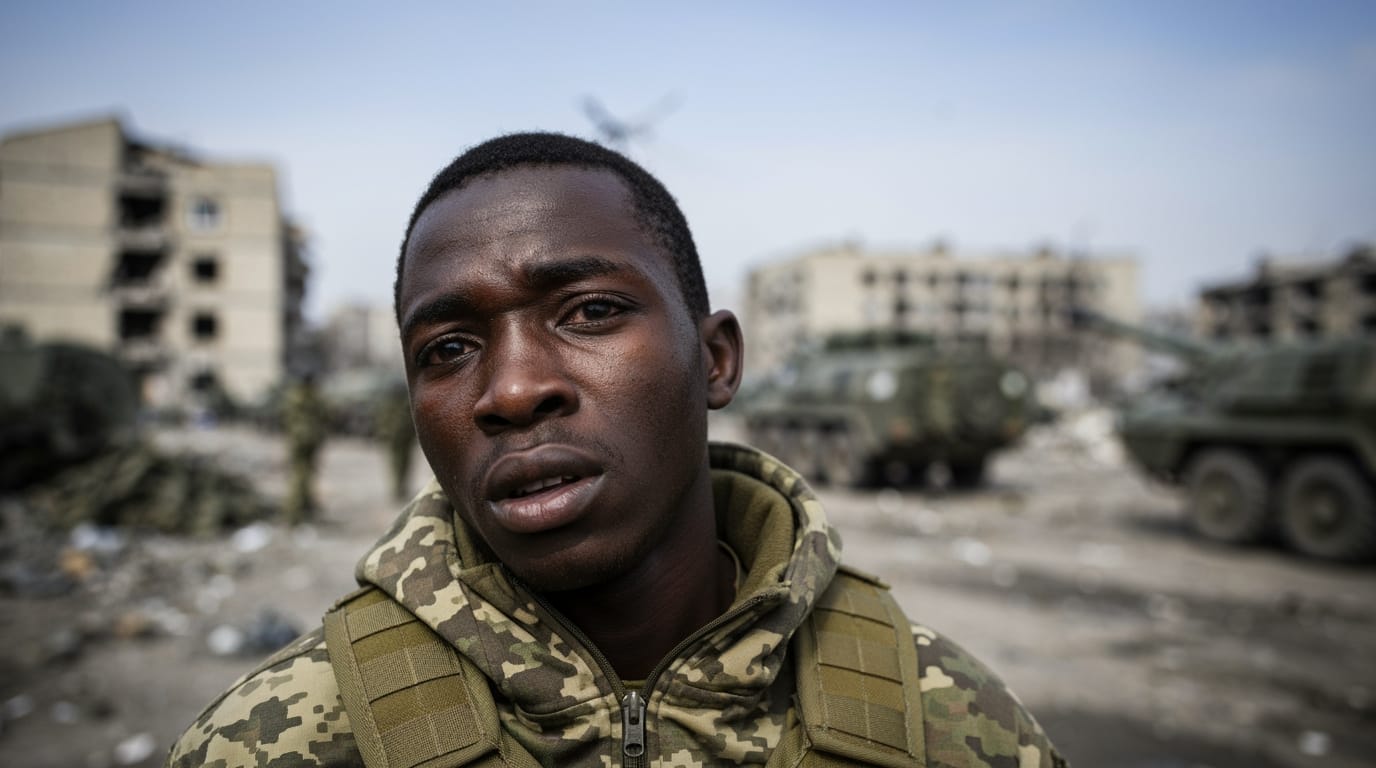
Across Africa, a disturbing pattern has emerged as young men, desperate for economic opportunity, are being lured to Russia under false pretenses, only to find themselves thrust onto the brutal front lines of the war in Ukraine. Reports indicate that thousands of individuals from various African nations have been ensnared in sophisticated recruitment schemes, often promised lucrative jobs and a better life, only to be deployed as what critics describe as "cannon fodder" in a conflict not their own. This clandestine recruitment drive by Russia is straining diplomatic relations and sparking outrage as African governments grapple with the tragic human cost and ethical implications of their citizens' involvement.
The Lure of False Promises: A Gateway to the Trenches
The primary bait for these recruits is the promise of significant financial gain and, in some cases, the allure of Russian citizenship. Rogue recruitment agencies, often operating through illicit networks, dangle offers of high-paying jobs in fields such as construction or security, with salaries reportedly reaching hundreds of thousands of Kenyan shillings per month and substantial bonuses. However, upon arrival in Russia, the reality drastically diverges from these enticing prospects. Many recruits are coerced into signing contracts written in Russian, a language they often do not understand, only to discover these are military agreements binding them to combat roles in Ukraine. Testimonies from those who have managed to return paint a grim picture of deception, where individuals expecting civilian work are instead outfitted for war.
Economic vulnerability across African nations is a significant factor driving this recruitment. High unemployment rates, particularly among young people, create fertile ground for exploitation. Some migrants and students already in Russia have faced coercion, with threats of visa non-extension or deportation used to force them into military service. Reports also suggest that human trafficking networks play a role, further complicating efforts to track and assist those trapped. The scale of this recruitment is considerable, with Ukrainian intelligence estimating that over 1,400 people from 36 African countries have been identified fighting for Russia.
The Brutal Reality: Disposable Roles on the Front Line
Once integrated into Russian forces, these African recruits often face a stark and perilous reality. Multiple reports confirm that many receive minimal to no military training before being dispatched to the most dangerous sectors of the front lines. They are frequently deployed in high-risk, "disposable" assault roles, intended to absorb enemy fire and create openings for more experienced units. The human cost of this strategy is devastating; one investigation documented nearly 1,500 cases of young Africans sent to the front lines, with approximately 300, or one in five, reported dead. Some do not survive more than a month in combat.
Accounts from those on the ground describe appalling conditions, including severe shortages of food and water, and the use of heavy weaponry with inadequate preparation. The situation is so dire that African casualties are reportedly disproportionately high, underscoring the "cannon fodder" accusation. For instance, an intelligence report revealed that out of over 1,000 Kenyans recruited, 89 were on the front line, 39 hospitalized, and 28 were missing in action. This pattern of deploying inadequately trained foreign fighters into perilous situations is indicative of Russia's desperate need to replenish its ranks amid heavy casualties, while simultaneously avoiding a full mobilization that could spark domestic unrest.
African Governments Confront a Growing Crisis
The alarming reports of their citizens being exploited in the Ukraine conflict have prompted a growing wave of concern and action from African governments. Nations like Kenya and South Africa have been particularly vocal, launching investigations and initiating repatriation efforts. South African authorities, for example, successfully secured the return of 17 men who had sent distress calls from the Donbas region, though two South Africans have been confirmed dead while fighting for Russia. The Kenyan government has also taken steps to shut down illegal recruitment agencies and plans for its foreign minister to visit Moscow to demand explanations.
These governments have issued stern warnings to their citizens, cautioning against recruitment schemes that promise easy money abroad but lead to the battlefields of Ukraine. The issue has also raised uncomfortable questions about accountability, with some investigations delving into the alleged involvement of high-profile individuals, including the daughter of former South African President Jacob Zuma, in facilitating such recruitment. Despite denials from the Russian embassy in Kenya regarding official involvement in illegal recruitment, evidence points to a systematic, if deniable, effort to enlist foreign fighters.
Geopolitical Undercurrents and Long-Term Implications
The recruitment of African nationals into the Ukraine war cannot be separated from Russia's broader geopolitical strategy on the continent. Russia has cultivated influence in Africa for years, often leveraging security cooperation and private military entities like the Wagner Group (and its successor, Africa Corps) in exchange for access to valuable natural resources. This long-standing engagement provides a backdrop against which recruitment networks can thrive, exploiting existing relationships and vulnerabilities. Russia's propaganda machine actively portrays itself as an antidote to perceived "neocolonial" Western influences, a narrative that resonates in some African countries, particularly those with historical ties to the Soviet Union.
However, the willingness of Moscow to expend African lives in Ukraine risks undermining this carefully constructed image. The emerging narrative of African youth being used as disposable assets is likely to have significant long-term implications for Russia-Africa relations. It exposes a mercenary approach that prioritizes battlefield manpower over the welfare of individuals and the sovereignty of nations. As more stories of deception, coercion, and heavy casualties come to light, the ethical dimensions of this recruitment drive will continue to fuel diplomatic tensions and calls for greater international accountability for those who exploit human desperation for geopolitical gain.


