Deutsche Bahn Pays Out Record €197 Million in Delay Compensation
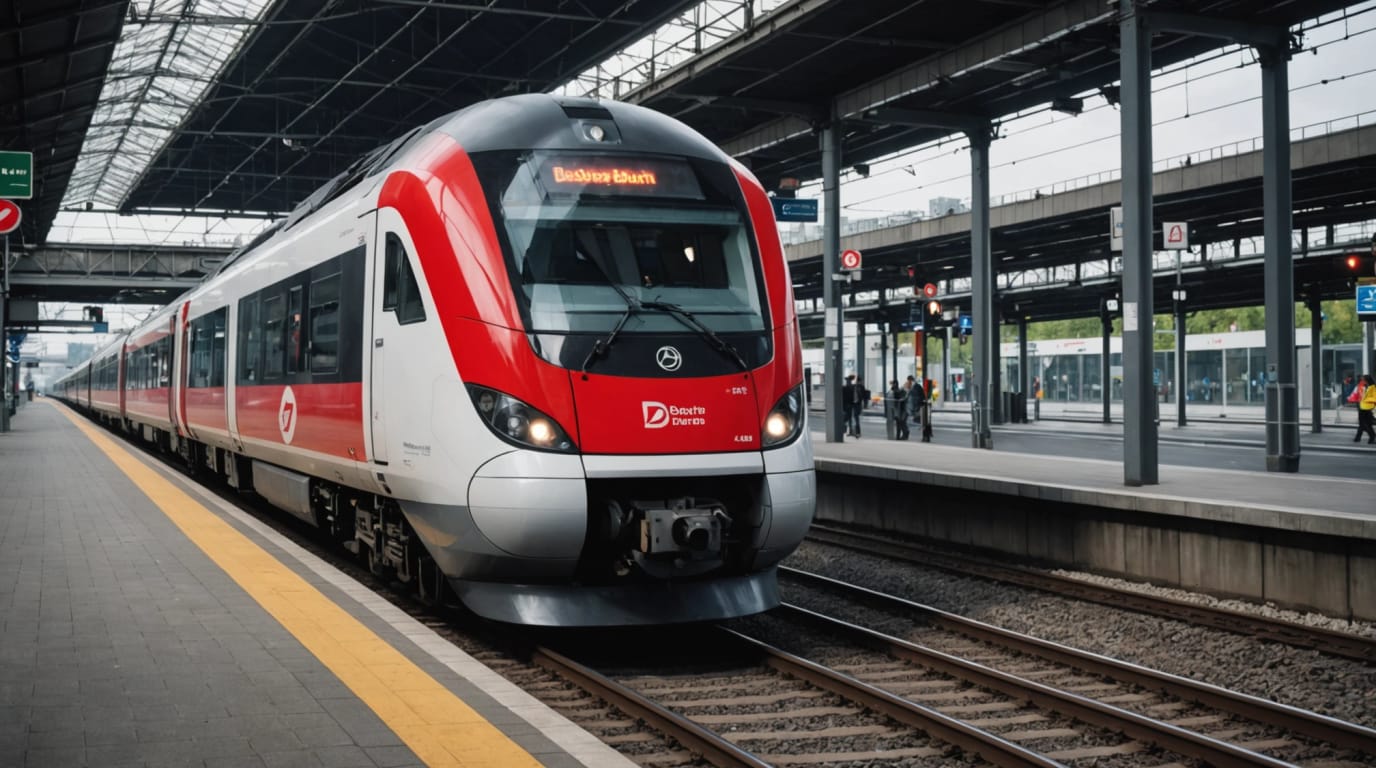
Deutsche Bahn (DB), Germany's national railway operator, is facing increasing pressure to improve its services after paying out a record €197 million in compensation to passengers in 2024 due to train delays and cancellations. The massive payout, stemming from nearly 7 million claims, highlights the persistent infrastructure challenges plaguing the German rail network and raises concerns about the company's financial stability.
Surge in Claims Reflects Systemic Issues
The €197 million paid out in 2024 represents a significant increase compared to the €132 million paid in 2023, when 5.6 million claims were submitted. The surge in compensation claims underscores the growing frustration among passengers who are regularly affected by delays. According to a DB spokesperson, a large portion of the delays, about 80%, are attributable to "crumbling, overstretched infrastructure." This includes aging rails, congested lines, and outdated signaling systems. The rise in claims also reflects increased awareness among passengers of their rights to compensation for delays, facilitated by streamlined electronic claim submission processes.
Infrastructure Woes Take a Toll
The aging infrastructure is taking a heavy toll on Deutsche Bahn's operational efficiency and financial health. The company acknowledges the urgent need for modernization and increased investment in its rail network. Executives have pledged to address the root causes of the delays by tackling long-standing structural problems. The German government, which owns Deutsche Bahn, is under pressure to allocate more funds to rail infrastructure projects to prevent further deterioration and improve service reliability.
Impact on Passengers and the Economy
Frequent train delays not only inconvenience passengers but also have broader economic implications. Delays disrupt business travel, hinder the movement of goods, and negatively impact productivity. Commuters who rely on trains for their daily commute face uncertainty and increased travel times, affecting their work and personal lives. The unreliability of the rail network also undermines Germany's efforts to promote sustainable transportation and reduce carbon emissions by encouraging people to choose trains over cars.
Calls for Urgent Action and Investment
The record compensation payout has intensified calls for urgent action to address the underlying issues affecting Deutsche Bahn's performance. Transportation experts emphasize the need for a comprehensive modernization plan that includes upgrading tracks, expanding capacity, and implementing advanced technologies. They argue that investing in rail infrastructure is crucial for ensuring the long-term competitiveness of the German economy and meeting the country's climate goals. Some analysts suggest that Deutsche Bahn should prioritize investments in key routes and focus on improving punctuality rather than expanding its network.
Deutsche Bahn's Response and Future Outlook
Deutsche Bahn has acknowledged the severity of the situation and outlined plans to increase infrastructure investments in the coming years. The company aims to modernize its network, improve maintenance practices, and enhance operational efficiency. However, the scale of the challenge is significant, and it will take time and substantial resources to bring the German rail network up to par. The company hopes that these improvements will reduce delays, increase passenger satisfaction, and restore confidence in Deutsche Bahn as a reliable transportation provider. The success of these efforts will be critical for Deutsche Bahn's financial recovery and its ability to meet the growing demand for rail travel in Germany.
In conclusion, the record €197 million in compensation paid by Deutsche Bahn in 2024 serves as a stark reminder of the urgent need to address the systemic issues plaguing the German rail network. While Deutsche Bahn has pledged to increase infrastructure investments and improve its services, the road to recovery will be long and challenging. The future of German rail travel depends on the successful implementation of these plans and the continued support of the government and stakeholders.


