Digital Deluge: Bondi Beach Crisis Engulfed by Wave of Falsehoods
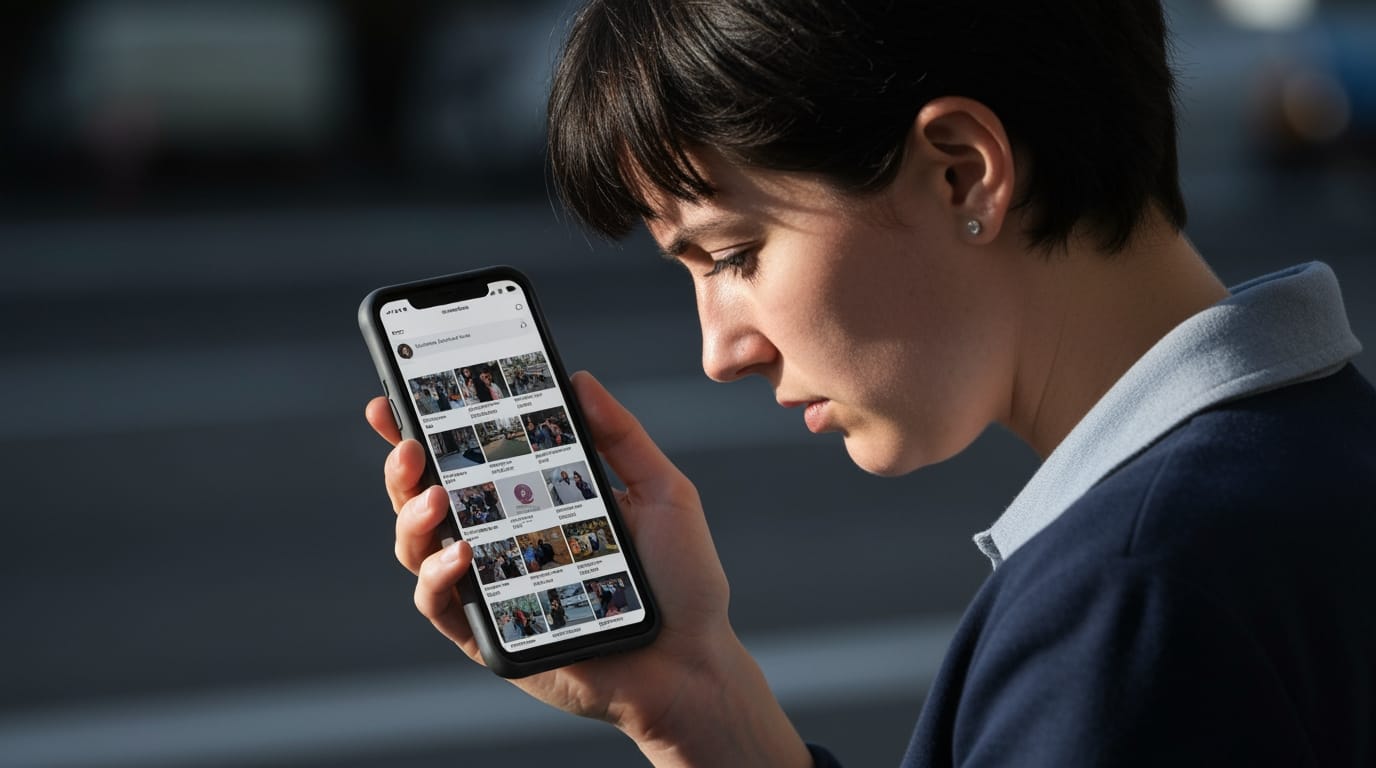
Following a tragic incident at Bondi Beach on December 14, described by some reports as a shooting at a Hanukkah gathering, the internet was swiftly overwhelmed by a deluge of false claims and misleading narratives. This rapid proliferation of misinformation, a recurring and dangerous phenomenon in times of crisis, obscured verified facts, fueled confusion, and left a trail of distress in its wake. The immediate aftermath saw a chaotic online environment where unverified information outpaced official updates, highlighting the pervasive challenges of information integrity in the digital age.
The Anatomy of a Digital Deluge: Fabricated Facts and Identities
As details of the Bondi Beach incident emerged, the digital sphere became a breeding ground for inaccuracies. A primary vector of misinformation involved the erroneous identification of perpetrators and their alleged motives. In one prominent instance, false reports circulated widely, naming an individual of Indian and Italian background as a suspect, citing a former colleague. These claims were quickly debunked by authorities, yet they persisted on various social media platforms. Simultaneously, another individual, Naveed Akram, was falsely linked to the event by Indian and Afghan media outlets and social media accounts, which propagated fabricated images and misleading videos. Akram, a Pakistani national residing in Sydney, was compelled to release a video statement unequivocally denying any involvement, underscoring the severe personal impact of such online falsehoods.
This pattern of misidentification mirrors the chaos observed after the Bondi Junction stabbing attack in April 2024, where two different men, including Benjamin Cohen, were wrongly named as the perpetrator by numerous verified social media accounts and even a major news network. Police later identified Joel Cauchi as the perpetrator of the stabbing, clarifying that his actions were not driven by political or religious ideology but by mental health issues, and that he deliberately targeted women. However, this official clarification was often lost amid the speculative noise online.
Beyond identity, false narratives surrounding the motivation for the December 14 incident also gained significant traction. Claims quickly emerged, baselessly asserting that the attackers were "Islamist terrorists" or, conversely, that they were Jewish and the incident was an antisemitic attack, or somehow connected to the Israel-Hamas conflict. Such speculative allegations, often propagated by accounts with substantial followings, ignored official police statements that, in the case of the Bondi Junction stabbing, explicitly ruled out political or religious motives. Further exacerbating the confusion, a video depicting Christmas fireworks in a Sydney suburb was falsely presented as "Islamists celebrating the terrorist attack against the Hanukkah celebration at Bondi Beach," adding another layer of fabricated context to an already distorted situation.
Amplifiers and Algorithms: The Role of Social Media Platforms
Social media platforms, particularly X (formerly Twitter), played a critical role in the rapid dissemination of these false claims. Accounts with "verified" status, once a hallmark of credibility, were observed sharing misinformation, contributing to its perceived legitimacy. Prominent journalists and far-right commentators based outside Australia also amplified unverified assertions, often with millions of views before any corrections were made. The structural changes on platforms like X, including reduced moderation staff and a verification system open to paying users, have been cited as contributing factors to the unchecked spread of misinformation during major news events.
This digital ecosystem allows falsehoods to spread with unprecedented speed, often overwhelming official channels struggling to provide accurate information. The very design of these platforms, which prioritizes engagement, can inadvertently reward sensational and misleading content, making it difficult for users to discern truth from fiction. The speed at which rumors can become viral, combined with the erosion of trust in traditional news sources, creates fertile ground for misinformation to flourish.
The Human Cost of Falsehoods: Eroding Trust and Fueling Division
The consequences of widespread misinformation extend far beyond online confusion. Individuals wrongly accused face public harassment, threats, and significant distress, impacting their reputations and safety. Sheikh Naveed's experience of being incorrectly identified serves as a stark reminder of the real-world harm inflicted by digital rumors. Moreover, false narratives that attribute attacks to specific religious or ethnic groups can exacerbate existing social tensions, fueling Islamophobia or antisemitism within communities. The Australian Muslim Advocacy Network (AMAN) documented examples of xenophobic and racist remarks in response to false claims, highlighting the divisive power of unverified information during sensitive times.
Beyond individual harm, misinformation erodes public trust in official communications and institutions, including law enforcement and legitimate news organizations. This distrust can hinder effective crisis response, as misinformed individuals may disregard legitimate safety warnings or essential guidance. The misdirection of public attention and resources towards false leads can also divert crucial efforts from actual investigative work and support for victims.
Battling the Untruths: Fact-Checking and Countermeasures
In the face of this digital onslaught, a concerted effort from fact-checking organizations, law enforcement, and responsible media has been crucial. Police statements, often delivered in real-time or soon after incidents, aim to clarify facts and debunk prevailing rumors, emphasizing official findings over speculation. Fact-checking bodies diligently work to verify information and expose false claims, though their reach often lags behind the initial spread of misinformation.
Experts advocate for several strategies to combat misinformation during emergencies. Timely and transparent communication from official sources is paramount to establishing credibility and controlling the narrative. Building a trustworthy social media presence for emergency services before a crisis strikes can help ensure that official messages are received and trusted when they are most needed. Furthermore, public education campaigns focusing on digital literacy are essential to equip individuals with the skills to critically evaluate online content and identify red flags associated with false information. Social media platforms themselves are urged to implement more robust moderation policies, utilize automated detection systems, and collaborate more effectively with fact-checkers to curb the spread of harmful content.
Conclusion: A Continuous Challenge in the Digital Age
The aftermath of the Bondi Beach incident serves as a potent reminder of the enduring challenge posed by misinformation in our interconnected world. The speed and scale at which false narratives can propagate, often amplified by intent or ignorance, threaten social cohesion, endanger individuals, and undermine effective crisis management. While the specifics of the incident itself, particularly concerning the reported "shooting" at a "Hanukkah gathering," remain intertwined with layers of online speculation and false claims, the overarching pattern of misinformation is clear.
Combating this digital deluge requires a multi-faceted approach involving vigilant fact-checking, proactive and transparent communication from authorities, responsible content curation by social media platforms, and an educated public capable of critical assessment. As crises continue to unfold in an increasingly digital landscape, the collective responsibility to uphold factual integrity becomes ever more critical in ensuring that truth prevails over manufactured chaos.


