Digital Fog of War: Fabricated Satellite Images Distort Iran Conflict Narrative
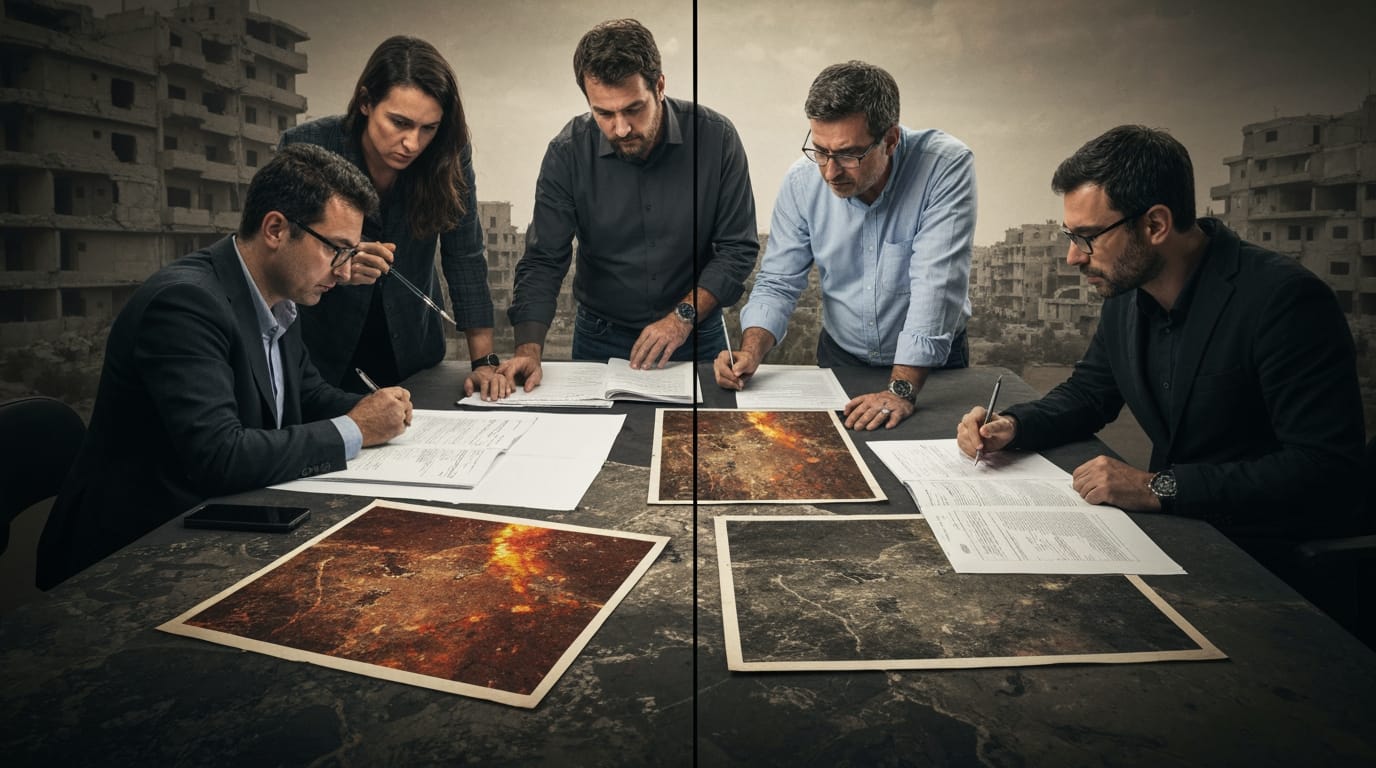
In an era defined by rapid technological advancements, a new and insidious front has opened in modern conflict: the deliberate fabrication of satellite imagery and other visual media. The ongoing conflict involving the United States, Israel, and Iran, which intensified in late February and early March 2026, has been particularly susceptible to this digital deception, with a surge of AI-generated content flooding social media platforms and blurring the lines between reality and engineered falsehoods. This unprecedented scale of manipulated visuals poses a significant challenge to journalistic integrity and public understanding, creating a "fog of war" that is increasingly difficult to penetrate.
The Rise of AI-Powered Disinformation
The current US-Israel-Iran conflict, sparked by Israeli missile strikes on Iranian military facilities and subsequent counter-strikes, has become a stark illustration of how easily artificial intelligence tools can be weaponized to create convincing, yet entirely false, narratives. Researchers and fact-checkers have noted that the volume and sophistication of AI-generated disinformation related to this conflict surpass anything observed in previous wars. These fabricated images and videos are not merely recycled old footage but are often newly created synthetic media designed to mislead.
One prominent instance of this visual manipulation involved Iran's state-aligned Tehran Times. The outlet disseminated an AI-altered satellite image claiming to depict a devastated American radar system in Qatar following an Iranian drone strike. However, fact-checks by organizations including the Financial Times and BBC Verify revealed the image to be an AI-manipulated version of a Google Earth image of a US base located in Bahrain. Subtle inconsistencies, such as identical cars parked in the "before" and "after" images, served as critical giveaways to its fabricated nature. Despite its falsity, the image garnered nearly one million views on social media platforms, demonstrating the wide reach and potential impact of such content.
Anatomy of Deception: How Fakes Are Made and Spread
The techniques employed to generate these persuasive fakes leverage the advanced capabilities of generative artificial intelligence, including Generative Adversarial Networks (GANs). These AI models can produce synthetic satellite images, often referred to as "deepfake geography," that are nearly indistinguishable from authentic aerial views. Beyond fully AI-generated content, manipulation also involves superimposing indicators of damage onto genuine satellite images that initially showed no such details. The ease of access to these powerful AI tools means that even individuals with basic proficiency can now create highly polished, yet misleading, war propaganda.
The intent behind such fabrications is multifaceted. State actors and propagandists utilize these manipulated visuals for psychological warfare, aiming to bolster their military image, disseminate false claims of success, or influence public opinion. For instance, another AI-generated satellite image was circulated, purporting to show Israeli-US jets striking a painted aircraft silhouette in Iran, suggesting that real Iranian planes had been moved elsewhere. This image notably contained nonsensical coordinates, a tell-tale sign of its artificial origin. The rapid spread of these visuals, often via platforms like X (formerly Twitter), contributes to a digital environment where distinguishing fact from fiction becomes exceedingly difficult for the average user.
The Real-World Impact of Synthetic Realities
The proliferation of fabricated satellite images and AI-generated war videos carries profound real-world implications, extending beyond mere misinformation. The objective often appears to be the deliberate destruction of a shared evidentiary foundation, making accountability virtually impossible. When any image can plausibly be dismissed as AI-generated, and when forensic tools designed to verify authenticity can themselves be fabricated, the traditional mechanisms of verification collapse.
This deluge of fake content has a tangible psychological toll on affected populations. Experts note that while rumors have always accompanied conflicts, AI-generated visuals, with their appearance of tangibility, exert a stronger emotional impact. Repeated exposure to such material can foster widespread confusion, anxiety, and a persistent sense of uncertainty among the public. The constant need to question what is real erodes trust in information sources and can influence public perception on critical issues, such as whether a country should engage in conflict, or even impact financial markets. The social media intelligence firm Cyabra reported over 145 million views of Iranian-linked disinformation content in the first two weeks of the conflict, underscoring the immense reach of these campaigns.
The Arms Race of Verification
In response to this escalating threat, a global network of fact-checkers, open-source intelligence (OSINT) researchers, and digital forensics experts are engaged in a continuous battle to debunk false narratives. Organizations like GeoConfirmed, AFP, BBC Verify, and the Financial Times are at the forefront, analyzing suspicious visuals for anomalies such as odd angles, blurred details, duplicated elements, or the presence of "hallucinated" features common in AI-generated imagery. Tools like Google's SynthID, an invisible watermark, can help identify images created using Google AI.
However, the speed, scale, and increasing sophistication of AI-generated disinformation often overwhelm reactive fact-checking efforts. The challenge is further compounded by "imposter OSINT" accounts that mimic legitimate investigators to sow further confusion and undermine credible verification efforts. While some social media platforms, like X, have implemented measures such as temporarily suspending creators from revenue sharing programs for undisclosed AI-generated content, these efforts struggle to keep pace with the rapidly evolving tactics of disinformation agents.
Navigating the Future of Information Warfare
The prevalence of fabricated satellite images and AI-generated media in the US-Israel-Iran conflict signals a critical shift in information warfare. Satellite imagery, traditionally viewed as an objective source of truth for monitoring conflict, tracking troop movements, and documenting human rights abuses, is now directly susceptible to manipulation. This development demands a societal-wide response, emphasizing the need for enhanced media literacy and critical awareness among the public.
As AI models continue to advance, the ability to discern authentic visual evidence from synthetic creations will become increasingly vital. Robust verification systems, stronger newsroom protocols, and continued investment in digital forensics and open-source intelligence are essential to safeguard the information environment. The integrity of public discourse and the ability to make informed decisions in times of conflict depend on humanity's collective capacity to identify and resist the persuasive power of fabricated realities.


