Diplomacy on Edge: Ukraine Faces Intensified Russian Strikes Amidst Fragile Peace Talks
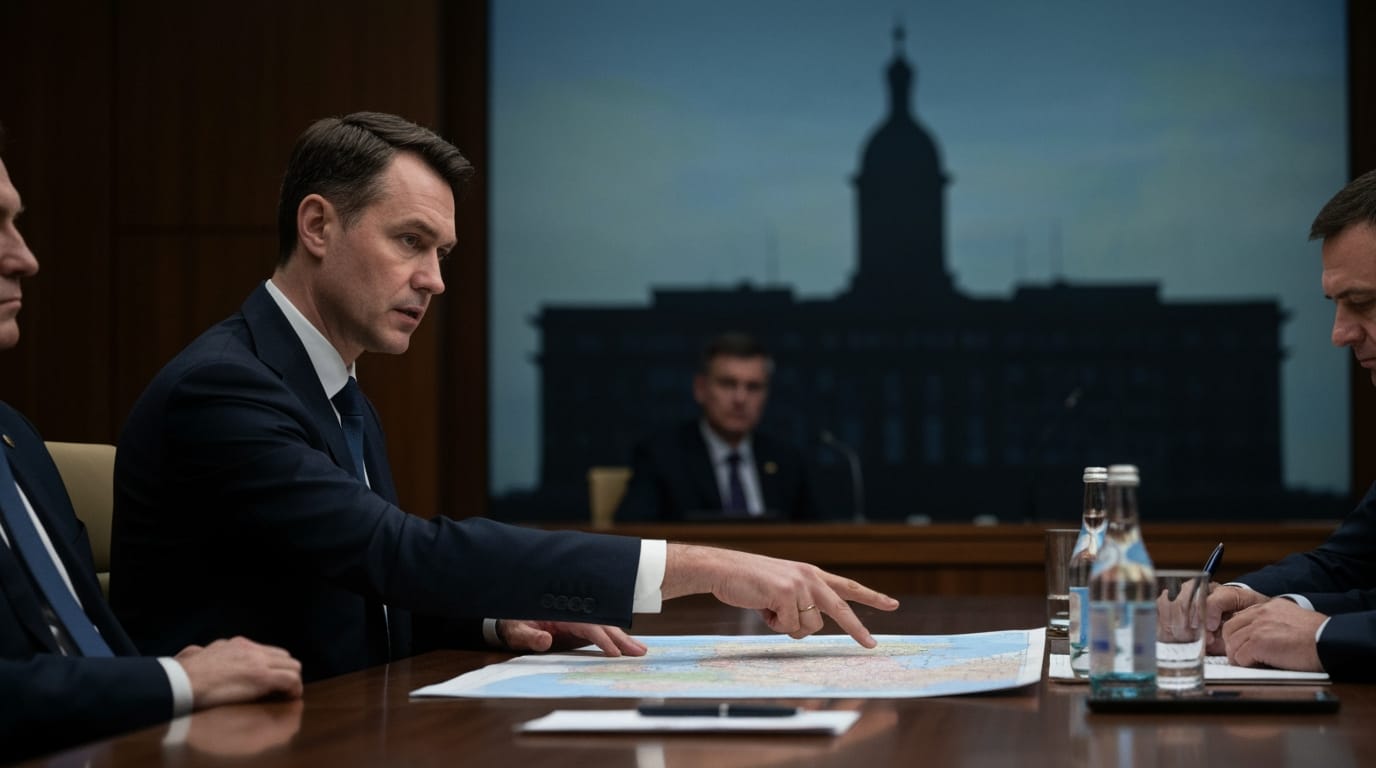
Kyiv, Ukraine – As diplomatic efforts navigate a treacherous path towards de-escalation, Ukraine finds itself under a renewed barrage of Russian attacks, casting a long shadow over U.S.-brokered trilateral talks aimed at fostering peace. While negotiators convened in Abu Dhabi, reports from Ukraine detailed widespread missile and drone strikes, severely impacting civilian infrastructure and exacerbating an already dire humanitarian situation. The confluence of high-stakes diplomacy and escalating aggression underscores the profound challenges in resolving the nearly four-year conflict.
Diplomatic Overtures Met with Military Escalation
The first round of trilateral discussions involving representatives from Ukraine, Russia, and the United States took place in Abu Dhabi on January 23-24, 2026. Ukrainian President Volodymyr Zelenskyy characterized these initial discussions as "constructive," despite simultaneous Russian military actions. A second round of these critical talks was originally slated for February 1 but was subsequently rescheduled for February 4-5. These negotiations represent the first known instance of officials from the U.S. administration directly engaging with both warring parties as part of a renewed push for a resolution to the conflict.
A key element preceding these talks was a temporary energy ceasefire, reportedly initiated by U.S. President Donald Trump, who publicly stated he asked Russian President Vladimir Putin to refrain from striking Ukraine's energy grid for a week. However, this brief pause was contentious. While Russia maintained the moratorium concluded on February 1, Ukrainian officials, including President Zelenskyy, contended it should have lasted longer, asserting that Russia exploited the period to stockpile missiles for subsequent attacks.
Winter Onslaught on Civilian Infrastructure
The fragility of any diplomatic understanding became starkly apparent with a significant escalation of Russian attacks following the purported end of the energy truce. On February 1, Russian drones struck a maternity hospital in Zaporizhzhia City, causing injuries and a fire, and hit a DTEK bus carrying miners in Dnipropetrovsk Oblast, resulting in at least 12 fatalities and 16 injuries.
The most devastating strike of the winter occurred overnight on February 3, as Russia launched an extensive wave of over 70 missiles and 450 drones across Ukraine. This wide-ranging assault targeted critical energy infrastructure, affecting cities hundreds of kilometers from the front lines, including Kyiv and Kharkiv. Ukraine’s largest energy company, DTEK, reported significant damage to its thermal power plants, leading to emergency power cuts. In Kharkiv, over 800 buildings were left without heat as temperatures plummeted, necessitating the draining of radiator systems to prevent freezing. Ukrainian officials accused Russia of deliberately targeting civilian infrastructure to inflict maximum destruction and terrorize the population during severe winter conditions. NATO Secretary-General Mark Rutte, visiting Kyiv on February 3, acknowledged the "horrific tragedy" and "sleepless nights" endured by Ukrainians due to these sustained attacks.
Mounting Human Cost and Displacement
The Human Rights Watch World Report 2026 indicates that 2025 marked the deadliest year for civilians in Ukraine since the onset of Russia's full-scale invasion in February 2022. The United Nations Human Rights Monitoring Mission in Ukraine has documented at least 14,534 civilian deaths and over 38,000 injuries since the invasion began. Millions of Ukrainians remain displaced, with 3.7 million internally displaced and 6.9 million having fled the country. Approximately 12.7 million people are in need of humanitarian assistance, and 4.1 million require health assistance.
The systematic targeting of energy infrastructure in sub-zero temperatures creates life-threatening conditions for vulnerable populations, including the elderly and children, and is expected to exacerbate a mental health crisis affecting an estimated 10 million people. The cumulative degradation of critical infrastructure has reached a critical point, threatening essential services and increasing the risk of further displacement, which could strain social systems in Western Europe.
International Support and Future Security
The international community continues to grapple with how to best support Ukraine while navigating Russia's persistent aggression. NATO Secretary-General Mark Rutte affirmed NATO's "continued support" during his visit to Kyiv, highlighting the provision of essential military equipment and training, including a significant portion of missiles for Ukraine's Patriot batteries and other air defense systems through the Prioritized Ukraine Requirements List (PURL) program.
Discussions are also underway regarding multi-layered security guarantees for post-war Ukraine, potentially involving Western diplomatic and military responses, and even the deployment of European and American forces to deter future aggression. However, Russia has vehemently rejected such proposals, stating that it views foreign troop deployments to Ukraine as "legitimate targets" and that Western security guarantees are "unacceptable." Moscow continues to assert that any lasting peace agreement must include its involvement and address its security concerns, while rejecting what it perceives as Western attempts to undermine its influence.
A Cycle of Conflict and Diplomacy
The renewed diplomatic engagement, however tentative, reflects ongoing international efforts to find a resolution to the protracted conflict. Yet, these efforts are continuously undermined by the operational realities on the ground, where Russian forces maintain offensive operations in various directions and prioritize strikes against civilians to demoralize the Ukrainian populace. The paradox of peace talks occurring concurrently with intensified aggression underscores the deep chasm between the parties' objectives and the immense difficulty of forging a lasting peace. As trilateral talks resume, the world watches to see if diplomacy can gain traction against the backdrop of sustained violence and a worsening humanitarian crisis.


