Diplomatic Breakthrough: Iran Releases 10 Indian Sailors Detained Since 2025
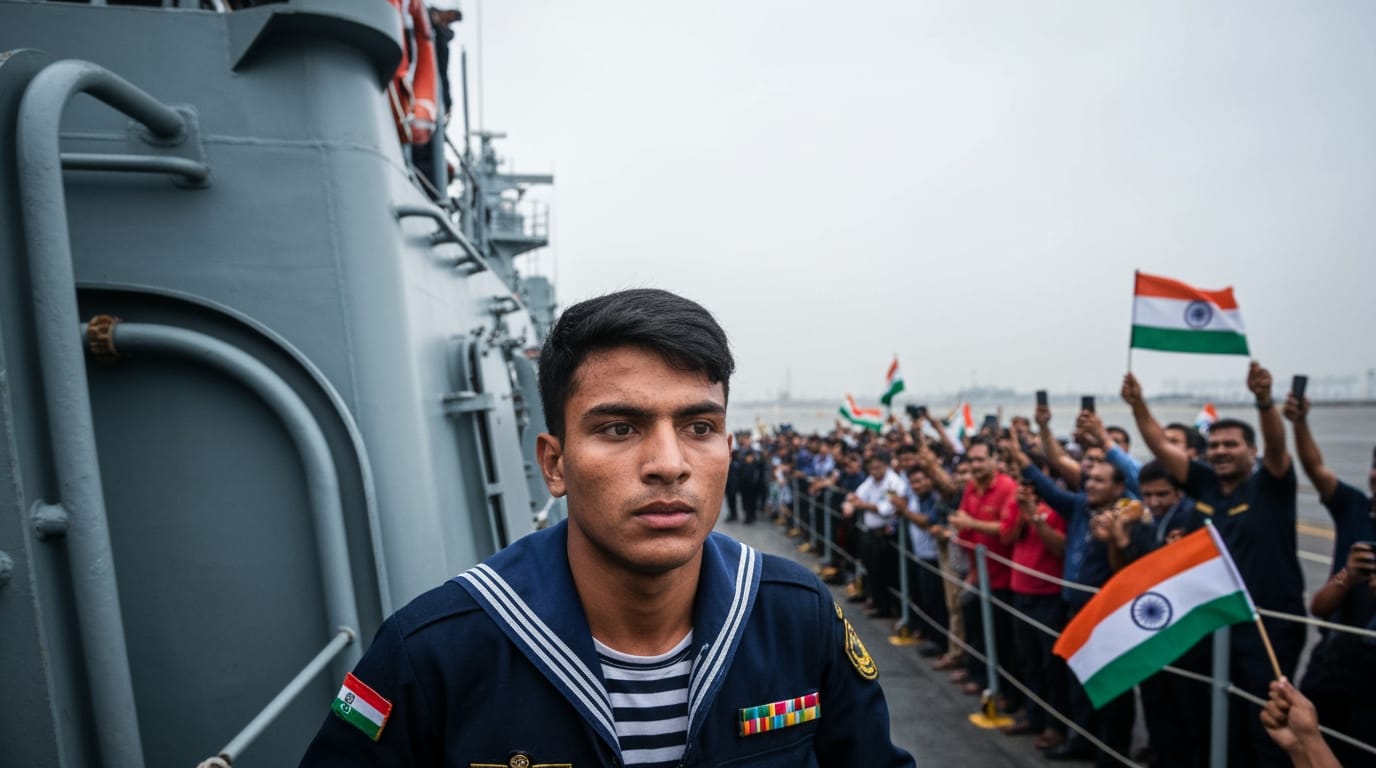
New Delhi, India – Ten Indian sailors, held in Iranian detention since July 2025, have been released following what Indian authorities described as "sustained diplomatic engagement" with Tehran. The announcement, made late Tuesday by India's Directorate General of Shipping, brings to an end a nearly year-long ordeal for the crew members of the oil tanker MV Harbour Phoenix and marks a significant diplomatic achievement for India in the volatile Gulf region. The sailors are now safely reunited and arrangements are being coordinated for their swift return to India.
The release comes amidst heightened tensions in the Strait of Hormuz, a critical waterway for global energy shipments, and underscores the complex balance of international relations India maintains with both Iran and Western powers. While specific details surrounding their initial detention remain somewhat limited, Iranian forces have a history of intercepting vessels they claim are involved in illegal fuel transportation.
The Detention of MV Harbour Phoenix
The ten Indian seafarers were apprehended in July 2025 when their vessel, the oil tanker MV Harbour Phoenix, was intercepted near Jask Port in Iran. The Directorate General of Shipping confirmed that the sailors were "detained, arrested and imprisoned in Iran" following this incident. While Indian authorities did not elaborate on the precise reasons for the arrest or the nature of the alleged violations, ship tracking sites have identified the MV Harbour Phoenix as a Palau-flagged oil products tanker. Iran has frequently announced the interception of ships suspected of illegally transporting fuel in the Gulf, suggesting this could have been a factor in the detention.
The Strait of Hormuz, a narrow passage connecting the Persian Gulf with the Arabian Sea, is strategically vital, handling approximately one-fifth of the world's oil and liquefied natural gas (LNG) shipments. This critical choke point has been a flashpoint for regional tensions, particularly in recent months, with Iran reportedly restricting shipping through the strait since February 28, following what it alleges were attacks by the United States and Israel. The detention of the Indian sailors thus occurred within a broader context of heightened maritime security concerns in the region.
India's Diplomatic Initiative
From the moment of the sailors' detention, New Delhi engaged in "sustained diplomatic engagement" with Tehran to secure their release. India's approach was characterized by "quiet diplomacy and minimal public comment," a strategy often employed in sensitive international negotiations. This understated but persistent diplomatic effort appears to have yielded positive results, culminating in the recent release.
India's long-standing diplomatic and energy ties with Iran provided a crucial framework for these negotiations. However, India navigates a delicate geopolitical landscape, balancing its relationship with Iran against its close links with the United States and Israel. This complex balancing act underscores the strategic importance of ensuring the safety and freedom of its citizens operating in the region, particularly given that India boasts one of the world's largest merchant navy workforces, with thousands of Indian sailors routinely operating in Gulf shipping lanes.
The Road to Repatriation
Upon their release, the Directorate General of Shipping confirmed that the seafarers have been "reunited safely." Efforts are now underway to facilitate their earliest return to India. While the emotional impact of such an extended detention on the sailors and their families is considerable, their safe return is a testament to the effectiveness of the diplomatic channels employed.
The absence of detailed information regarding the initial arrest and the conditions of their detention leaves certain questions unanswered, but the immediate priority remains the safe repatriation and well-being of the crew. Their release offers a sense of relief and hope, not only for their families but also for the wider Indian maritime community.
Broader Implications for Maritime Security
The episode with the MV Harbour Phoenix crew serves as a stark reminder of the inherent risks faced by seafarers navigating politically sensitive and strategically important waterways. The Gulf region, particularly the Strait of Hormuz, remains a nexus of international maritime traffic and geopolitical tensions. Incidents of vessel seizures and crew detentions, regardless of the stated reasons, underscore the need for continuous vigilance and robust diplomatic frameworks to protect maritime interests and personnel.
India's successful negotiation for the release of its sailors reinforces its commitment to safeguarding its citizens abroad and highlights the importance of its diplomatic presence in key global regions. As global trade continues to rely heavily on maritime routes, the safety of seafarers and the freedom of navigation remain paramount international concerns. This resolution, while specific to one incident, contributes to the ongoing discourse on maritime security and international cooperation in an increasingly complex global environment.
Conclusion
The release of the ten Indian sailors from Iranian detention represents a successful culmination of diplomatic efforts by New Delhi. After nearly a year of uncertainty, the seafarers of the MV Harbour Phoenix are finally free, with arrangements being made for their return home. This outcome, achieved through quiet diplomacy, reaffirms India's ability to navigate intricate international relations to protect its citizens. The incident also casts a renewed spotlight on the precarious nature of maritime operations in the Strait of Hormuz and the enduring challenges of ensuring safe passage in a region often marked by geopolitical volatility.


