Diplomatic Rift Rocks Warsaw: US Ambassador Freezes Ties with Polish Parliament Speaker Over Trump Remarks
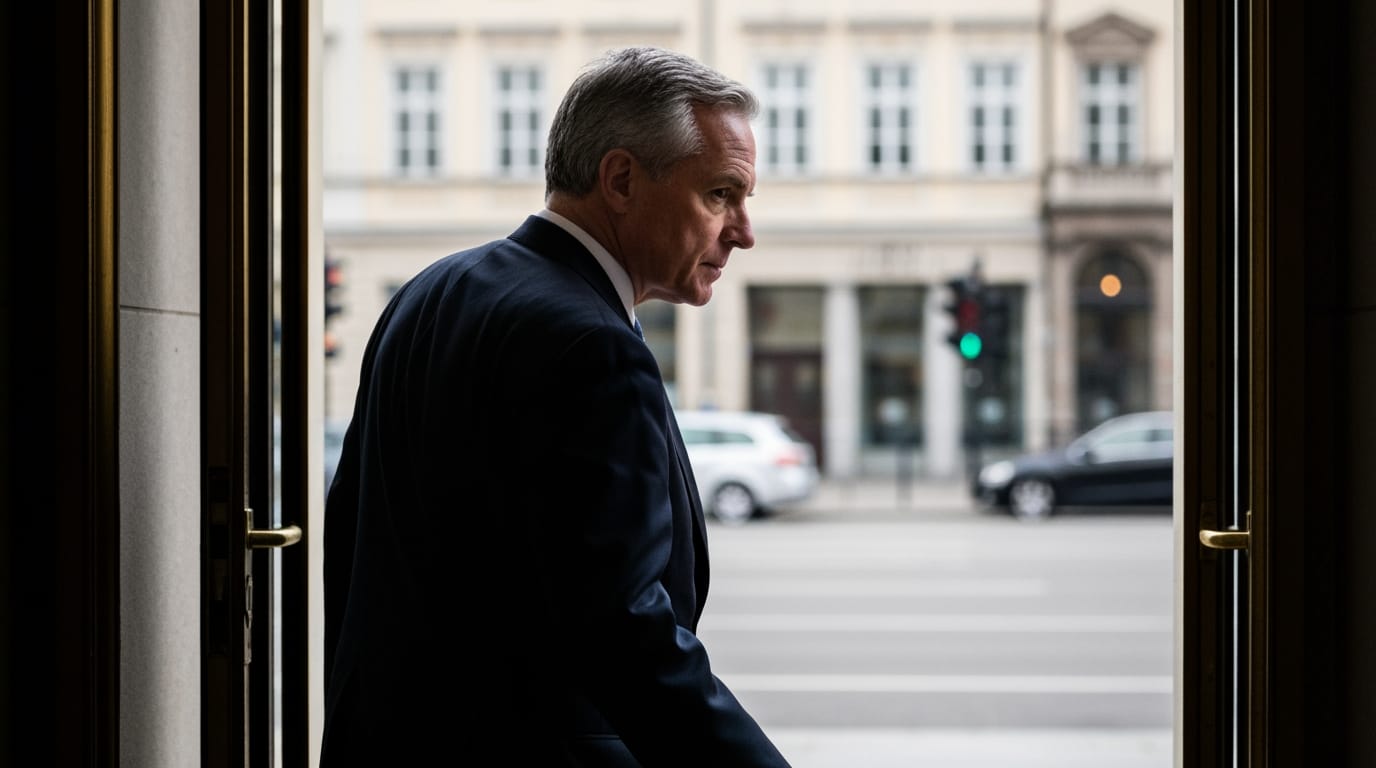
Warsaw, Poland – A significant diplomatic incident has erupted in Warsaw, as the United States Ambassador to Poland, Tom Rose, announced a complete cessation of contact with Włodzimierz Czarzasty, the Speaker of the Sejm, Poland’s powerful lower house of parliament. The unprecedented move, declared on Thursday, February 5, 2026, stems from what Ambassador Rose described as "outrageous and unprovoked insults" directed by Czarzasty against former U.S. President Donald Trump, specifically concerning Czarzasty's refusal to support Trump's nomination for the Nobel Peace Prize. The diplomatic freeze has triggered immediate reactions from Polish leadership, raising questions about the stability of the crucial US-Polish alliance.
Ambassador Rose Declares Diplomatic Freeze
Ambassador Rose publicly communicated the decision via social media, stating that "effective immediately, we will have no further dealings, contacts, or communications with Marshal of the Sejm Czarzasty". The ambassador asserted that Czarzasty's remarks had made him "a serious impediment to our excellent relations with Prime Minister Tusk and his government". He further emphasized the US position, declaring, "We will not permit anyone to harm US–Polish relations, nor disrespect Donald Trump, who has done so much for Poland and the Polish people". This firm stance by the US envoy underscores a heightened sensitivity within the diplomatic sphere regarding criticisms of American political figures, particularly those with significant influence.
The catalyst for this diplomatic rupture came earlier in the week when Speaker Czarzasty publicly declined to endorse a proposal, reportedly initiated by US House Speaker Mike Johnson and Israeli Knesset Speaker Amir Ohana, to nominate Donald Trump for the 2026 Nobel Peace Prize. Czarzasty's refusal was not merely a passive rejection but was accompanied by strong criticisms of Trump's foreign policy actions and philosophy.
The Core of the Controversy: Criticisms of Trump's Policy
Speaker Czarzasty’s controversial statements, made on Monday, cited his conviction that former President Trump "doesn't deserve" the prestigious award. His reasoning extended beyond a simple disagreement, delving into a critique of Trump’s approach to international relations. Czarzasty pointed to Trump's past actions, such as threats to annex Greenland and the imposition of tariffs on European countries, describing them as "a breach of politics based on principles and values, and often a breach of international law".
Czarzasty articulated his view that Trump's presidency often destabilized international organizations by promoting a "politics of force" and a "transactional policy". These criticisms, delivered by a high-ranking official within a key NATO ally, were evidently deemed intolerable by the US Embassy. Ambassador Rose's robust defense of Trump suggests a concerted effort to shield the former president's image from disparagement on the international stage, particularly in countries seen as vital partners.
Polish Reactions and Broader Implications for Alliance
The immediate aftermath saw a swift response from Polish Prime Minister Donald Tusk, whose ruling coalition includes Czarzasty's left-wing party. Tusk countered Ambassador Rose's public rebuke with a statement on social media, asserting that "allies should respect, not lecture, each other. At least this is how we, here in Poland, understand partnership". This retort from the Polish Prime Minister highlights a growing assertiveness within European leadership regarding their sovereign right to express political opinions, even when they diverge from those of a powerful ally. While Prime Minister Tusk’s message served as a diplomatic pushback, Rose later clarified that his message was intended for Czarzasty, affirming his commitment to defending Trump without hesitation.
This incident arrives at a sensitive time for US-Polish relations. Poland has consistently sought to maintain a delicate balance, preserving strong ties with the United States, its most powerful security guarantor, while also navigating its relationships with European Union allies. The nation's strategic importance has been amplified by the ongoing conflict in Ukraine, with Poland serving as a critical frontline state and logistical hub for Western support. Past administrations in Poland have at times walked a fine line, with some leaders, like current President Karol Nawrocki, cultivating close ties with Donald Trump to ensure continued American support for Polish security initiatives, including the presence of US troops. This dynamic underscores the complex interplay between internal Polish politics, transatlantic diplomacy, and the personal influence of American political figures.
A Test for Alliance Dynamics in a Shifting Geopolitical Landscape
The public severing of ties between the US Ambassador and a prominent Polish parliamentary leader represents a rare and significant diplomatic breach between NATO allies. It raises pertinent questions about the boundaries of diplomatic discourse and the tolerance for critical commentary between friendly nations. The United States and Poland share deep security and defense interests, particularly in safeguarding NATO's eastern flank and supporting Ukraine's sovereignty. The US has maintained a substantial military presence in Poland, a testament to the strategic importance of the relationship.
While such incidents are uncommon, they illustrate the potential for individual political differences to strain broader strategic alliances. The episode may prompt both sides to reassess the protocols of inter-governmental communication and the management of political disagreements. As global geopolitical dynamics continue to shift, the ability of alliances to navigate internal friction, while maintaining a united front on critical security matters, remains paramount. The current diplomatic challenge in Warsaw serves as a reminder that even the strongest partnerships can be tested by the clash of political personalities and differing perspectives on international leadership.


