Diplomatic Storm Brews as Ghana and South Africa Clash Over Migrant's Death Amidst Xenophobic Tensions
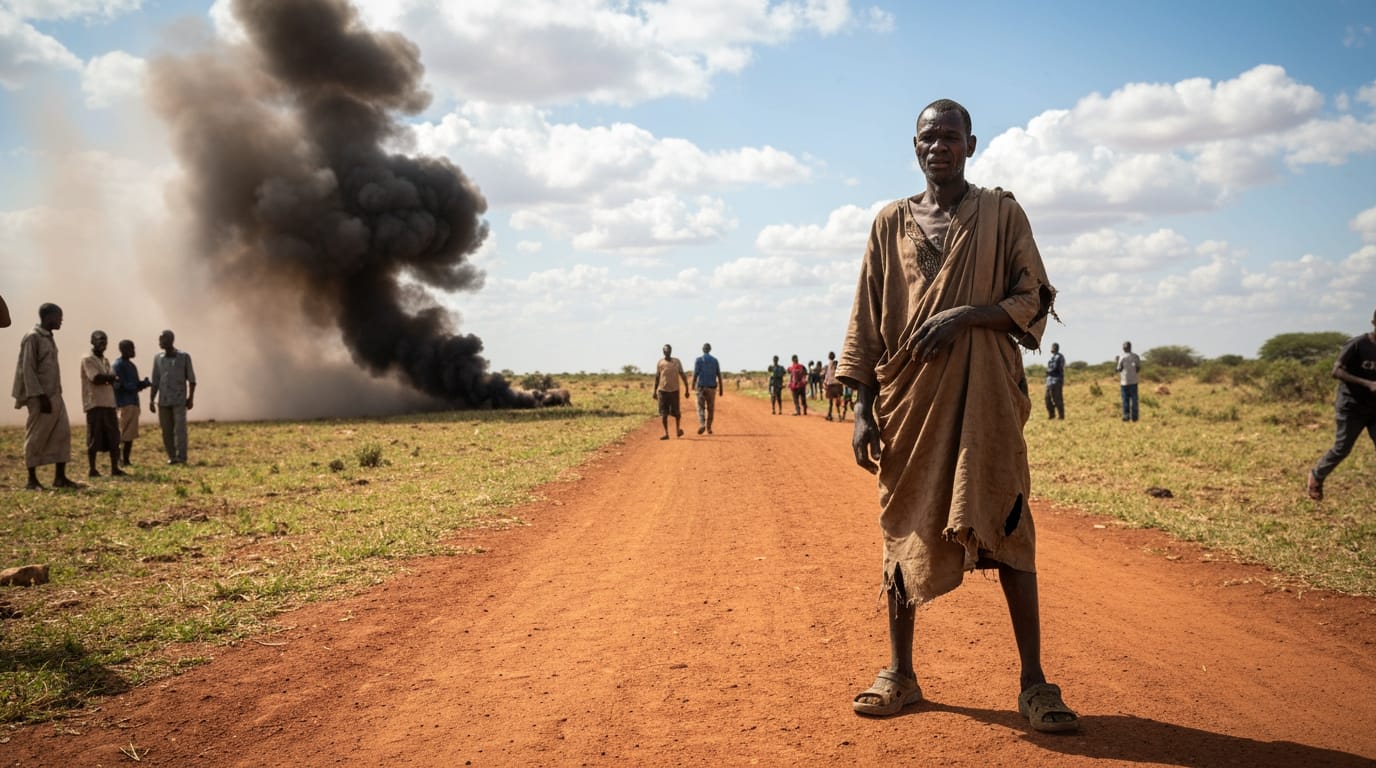
A fresh diplomatic crisis has erupted between Ghana and South Africa following the death of a Ghanaian national, Bashiru Isak, amidst a backdrop of escalating anti-immigrant protests in South Africa. The incident has ignited a fierce exchange between the two African nations, with Ghana condemning the killing as a "senseless act of violence" linked to xenophobia, while South Africa vehemently denies any connection to the recent demonstrations and suggests an alternative, crime-related motive. This contentious dispute underscores the persistent challenges of xenophobia and migration within the continent, forcing a re-evaluation of regional solidarity and the protection of foreign nationals.
The immediate flashpoint of this escalating tension is the tragic death of 40-year-old Bashiru Isak, a Ghanaian barber and father of three, who was reportedly killed in Cape Town's Khayelitsha township. Ghana's Ministry of Foreign Affairs, in a statement issued on Wednesday, July 1, 2026, expressed "profound shock and sadness" over Isak's fatal shooting on Monday, June 30, and directly linked it to "anti-immigrant demonstrations linked to ongoing xenophobic attacks". Accra has formally lodged a protest with Pretoria and filed a complaint with the South African Police Service, demanding a "full, transparent and expedited investigation" and the "arrest and prosecution of the perpetrators". Furthermore, Ghana announced plans to repatriate Isak's body for burial and called upon South African authorities to bolster protection for Ghanaians and uphold the rights of all foreign nationals within its borders.
However, South Africa has swiftly and unequivocally rejected Ghana's assertions. Justice Minister Mmamoloko Kubayi, who chairs the Inter-Ministerial Committee on Migration, labeled Ghana's account as "factually incorrect" and "not based on fact". Minister Kubayi stated that "no fatalities" were recorded during the nationwide anti-immigrant protests held on Tuesday, June 30. South African police have presented a different narrative, suggesting the killing might be "extortion-related." According to their reports, a 35-year-old Ghanaian, whose name differs from that provided by Ghana, was shot at a barbershop on Monday, June 29, a day before the main protests. Police indicated that "unknown suspects entered the barbershop and demanded money from the victim before he was shot". The Leader of the Concerned Ghanaians in South Africa, Bra Moro, supported this police assessment, asserting that the incident occurred before the marches and was not connected to the anti-immigration demonstrations. This stark divergence in narratives has created a significant diplomatic rift, with South Africa previously warning Ghana against "public spectacles characterised by incomplete information and outright misinformation devoid of any diplomatic decorum".
The tragic incident unfolds against a volatile backdrop of surging anti-immigrant sentiment across South Africa. For weeks leading up to June 30, a powerful campaign against undocumented immigrants culminated in an unofficial deadline for foreign nationals to leave the country. This period saw several thousand people participating in marches across the nation, driven by activists like Nkosikhona Ndabandaba, also known as Phakel'umthakathi, who have been vocal in demanding stricter immigration enforcement. These movements have been fueled by deep-seated economic anxieties, particularly high unemployment rates, which lead some South Africans to perceive foreign nationals as competitors for jobs and resources. Reports of looting and attacks on migrant-owned businesses have become increasingly common, further exacerbating fears among foreign communities.
The repercussions of this rising xenophobia extend far beyond South Africa's borders, creating a significant humanitarian and diplomatic crisis across the African continent. Over 25,000 foreign nationals, including hundreds of Ghanaians, have already fled South Africa in recent weeks, with various African countries actively repatriating their citizens. Ghana, concerned for the safety of its citizens, has advised them to avoid "non-essential travel to South Africa until further notice". The Ghanaian government has also amplified its long-standing call for the African Union (AU) to officially debate the issue of xenophobic attacks against African nationals in South Africa, a request it first made earlier in the year. This regional pressure highlights the deep concern among African nations regarding the treatment of their citizens within a fellow AU member state, particularly one that historically received significant support from across the continent during its struggle against apartheid.
South African President Cyril Ramaphosa has publicly condemned acts of vigilantism and xenophobia, emphasizing the state's sole responsibility for law enforcement and warning against prejudice towards fellow Africans. He has acknowledged that the violence damages South Africa's international image and harms its relations with the continent. In an effort to address underlying issues, the South African government is currently reviewing its immigration policy framework to better respond to migration challenges, including economic pressures and strains on public services. However, the immediate challenge remains the unresolved dispute over Bashiru Isak's death and the broader question of ensuring the safety and dignity of foreign nationals residing in South Africa. The differing accounts of the incident underscore the urgent need for a comprehensive and impartial investigation to ascertain the facts and bring clarity to a situation that has already caused considerable distress and diplomatic strain. The ongoing dialogue between Ghana and South Africa, and potentially the wider African Union, will be crucial in de-escalating tensions and fostering a path toward accountability and resolution.


