Diplomatic Tensions Heighten After Break-in at Chinese Embassy in Tokyo
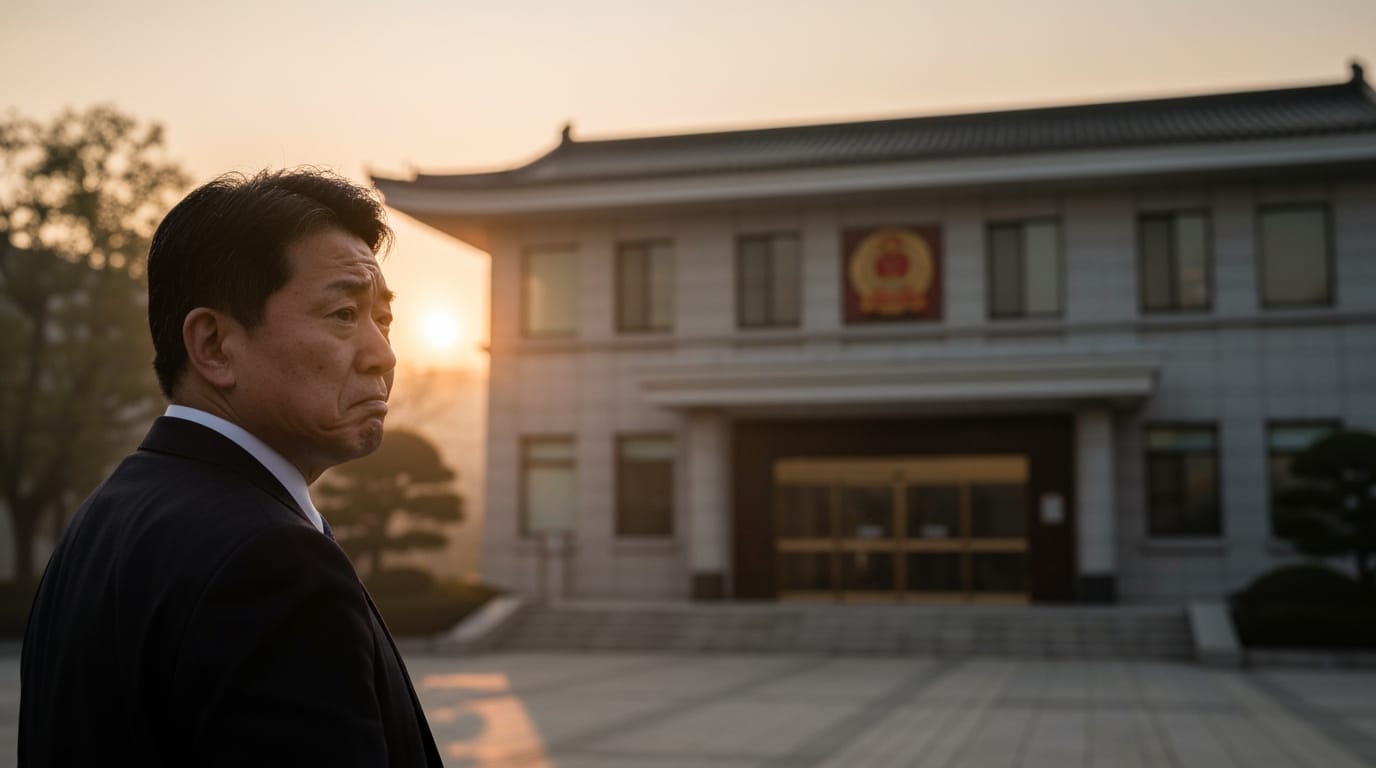
TOKYO – A breach of security at the Chinese Embassy in Tokyo this week, involving an active-duty member of Japan's Ground Self-Defense Force (GSDF), has drawn a strong rebuke from Beijing and prompted an official expression of regret from Tokyo, further straining the already delicate relationship between the two East Asian powers. The incident, which saw a Japanese soldier allegedly force his way onto embassy grounds carrying a knife and threatening diplomats, unfolded amidst escalating geopolitical friction, particularly concerning Taiwan.
Embassy Breach Sparks International Concern
On Tuesday morning, March 24, a 23-year-old GSDF second lieutenant identified as Kodai Murata reportedly scaled a wall to gain unauthorized entry into the Chinese Embassy compound in Tokyo. Reports indicate the individual was carrying a knife, which was later discovered at the scene, and allegedly threatened diplomatic personnel. Murata was initially detained by embassy staff before being arrested by Tokyo police on suspicion of trespassing. Japanese media, citing police investigators, reported that the suspect expressed a desire to meet the Chinese ambassador to convey his views on China's "hardline stance" toward Japan, even suggesting he would take his own life if his demands were rejected. No injuries were reported during the incident.
Japan Expresses Regret, Vows Investigation
Japan's government swiftly condemned the actions of its military member. Chief Cabinet Secretary Minoru Kihara described the incident as "truly regrettable," emphasizing that a Self-Defense Forces member, who is expected to uphold the law, had been arrested. Japan has formally conveyed its regrets to China and pledged a thorough investigation into the circumstances surrounding the break-in. Kihara confirmed that security measures at the Chinese Embassy have been enhanced with the deployment of additional police officers to prevent any recurrence. The Ground Self-Defense Force also announced its full cooperation with the police investigation, asserting its commitment to addressing the matter strictly and based on established facts.
China Lodges Strong Protest, Cites Diplomatic Violations
In response, Beijing registered a "strong protest" with Tokyo. Chinese Foreign Ministry spokesman Lin Jian expressed "deep shock" over the incident, characterizing it as "extremely egregious in both nature and impact." Lin asserted that the breach constituted a "grave violation of the Vienna Convention on Diplomatic Relations," which protects diplomatic missions and their staff. He further demanded that Japan conduct an immediate and comprehensive investigation, ensure accountability for the individual involved, provide a responsible explanation, and implement effective measures to guarantee the safety of Chinese diplomatic personnel and facilities in Japan. China's Foreign Ministry also linked the incident to what it described as the "rampant spread of far-right thinking and neo-militarism in Japan," alongside what it termed "erroneous policies" by the Japanese government on sensitive issues, including history and the question of Taiwan.
Broader Context of Worsening Sino-Japanese Ties
This security breach occurs against a backdrop of increasingly strained relations between Japan and China. Tensions have been particularly high following remarks made by Japanese Prime Minister Sanae Takaichi in November, suggesting that Japan might consider military intervention should China attempt to take control of Taiwan. Beijing, which considers self-governed Taiwan as part of its territory and has not ruled out the use of force to achieve unification, reacted with strong condemnation to Takaichi's comments. The incident at the embassy underscores the fragile state of diplomatic trust and communication, highlighting the potential for isolated events to exacerbate geopolitical sensitivities between the regional rivals.
Conclusion: A Call for Stability Amidst Friction
The incident at the Chinese Embassy serves as a stark reminder of the underlying tensions that characterize the relationship between Japan and China. While Tokyo has moved quickly to express regret and launch an investigation, Beijing's sharp response reflects deep-seated concerns over security and broader policy differences. As both nations navigate complex geopolitical landscapes and historical grievances, the diplomatic fallout from this event will likely necessitate careful management to prevent further deterioration of bilateral ties. The emphasis from both sides on investigation and prevention of recurrence suggests an understanding of the gravity of the situation, even as their interpretations of the incident's root causes diverge.


