Divided No More? How Women Navigated Equality in East and West Germany
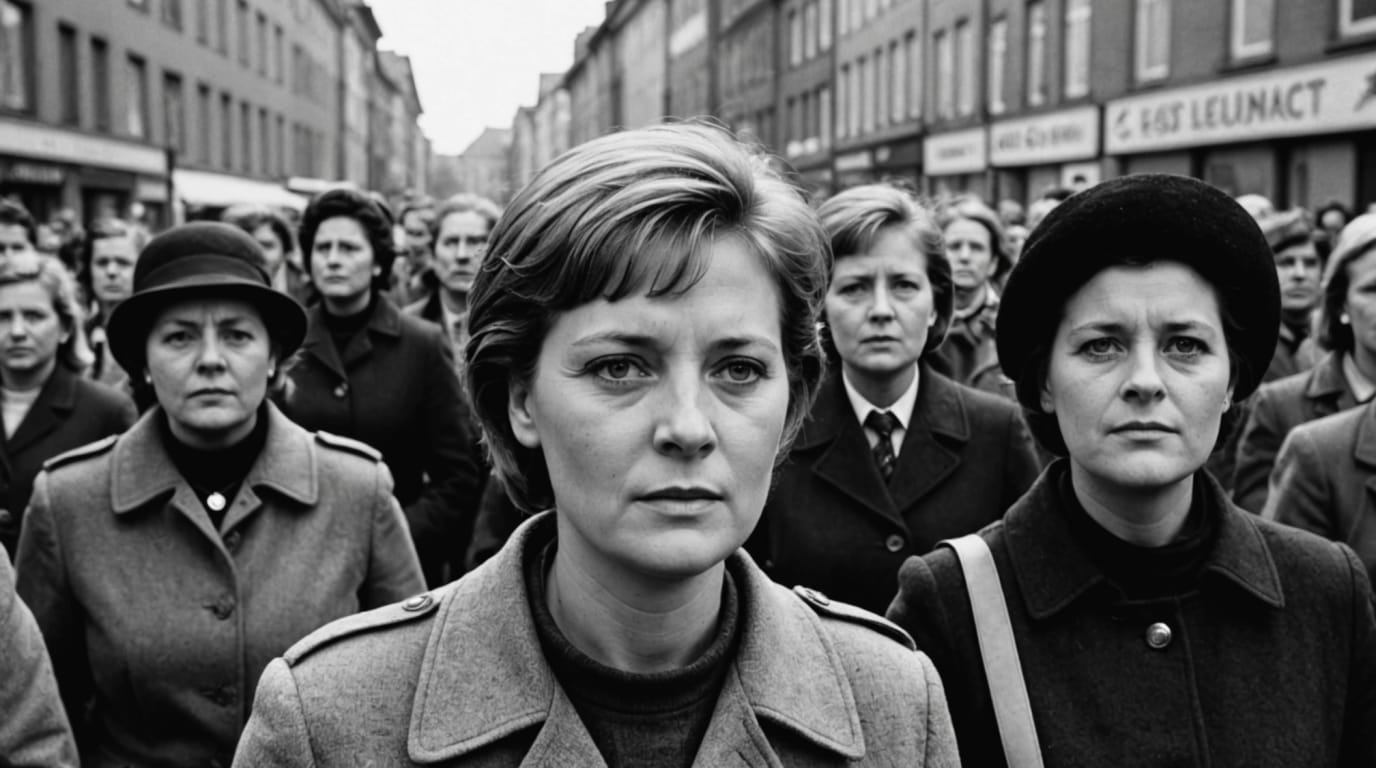
For nearly half a century, the Iron Curtain cleaved Germany in two, forging divergent paths for its people. Nowhere were these differences more pronounced than in the lives of women, who experienced vastly different realities under the communist German Democratic Republic (GDR) and the capitalist Federal Republic of Germany (FRG). While both states enshrined gender equality in their constitutions, the practical application and lived experiences of women varied dramatically, leaving a legacy that continues to shape Germany today.
Two Germanys, Two Ideals
Following World War II, Germany was divided among the Allied powers, leading to the formation of two separate states in 1949. In the East, the GDR embraced a socialist ideology that emphasized full employment and gender equality as a matter of state policy. The constitution guaranteed women the right to work and equal pay, and the state invested heavily in childcare and other social services to support working mothers. In contrast, West Germany, influenced by its capitalist economy and strong religious traditions, adhered to a more conservative model where women were primarily seen as homemakers and caregivers. The "economic miracle" ("Wirtschaftswunder") of the 1950s further solidified this model, as many West German women stayed at home while their husbands worked.
East German Women: Emancipation by Decree?
In the GDR, women's integration into the workforce was not merely encouraged but expected. The state implemented policies to ensure compatibility between work, motherhood, and family responsibilities. Childcare facilities were widely available and often free, and generous maternity leave policies were introduced. By 1989, around 89% of women in East Germany were employed, one of the highest rates in the world. The Democratic Women's Federation of Germany (DFD) played a key role in enshrining equality in the GDR's Constitution and in drafting new laws that furthered women's emancipation.
However, this state-sponsored emancipation came with its own set of challenges. While women were financially independent and skilled at juggling multiple demands, they were still expected to manage the household and take primary responsibility for children. This "double burden" often led to exhaustion and limited opportunities for advancement. Moreover, the emphasis on equality was often more symbolic than real, with women still facing discrimination in certain sectors and leadership positions. Despite comprising over 50% of judges and 40% of parliament members, true gender parity in management positions remained elusive.
West German Women: The Fight for Recognition
In West Germany, women faced a different set of obstacles. The prevailing social norms and legal framework reinforced the traditional male-breadwinner model, making it difficult for women to pursue careers outside the home. Mothers who worked were often stigmatized as "Rabenmütter" (uncaring mothers), and childcare facilities were scarce and expensive. Until 1977, married women in West Germany could not work without their husbands' permission.
Despite these challenges, West German women began to organize and demand greater equality in the 1960s and 70s. The new women's movement brought issues of gender relations and sexuality into the public domain, challenging traditional stereotypes and advocating for legal reforms. The Equal Rights Act of 1957 and the marriage law reform of 1976 were significant steps forward, but progress was slow and uneven. While West German women may have developed a greater sensitivity to gender issues and hidden stereotypes, large income differences and hierarchical structures continued to exclude them from true equality.
Reunification and its Discontents
The fall of the Berlin Wall in 1989 and the subsequent reunification of Germany in 1990 brought about profound changes for women in both East and West. The East German economy collapsed, leading to widespread job losses that disproportionately affected women. Many East German women found themselves unemployed and struggling to adapt to the new capitalist system. By 1997, the unemployment rate for women in the former East Germany was 22.5%, compared with 16.6% for men.
The influx of West German managers with their "cultural perceptions and frameworks" further exacerbated the situation, as they often regarded certain jobs as reserved for men. Many young East German women responded by migrating westward in search of employment. A 2008 study showed that the population of the former East Germany had declined by 10% since reunification, and 55% of those who left were women.
While reunification brought increased civil rights and freedoms, it also led to the dismantling of many of the social support systems that had benefited East German women. The constitutionally guaranteed rights to a job and to an apartment disappeared, and with them the sense of being taken care of by the state. The abortion rights that East German women had were also rolled back after reunification.
Lingering Legacies and the Path Forward
Despite the challenges of reunification, the legacy of East Germany's emphasis on female employment continues to be felt today. Women in the former East are more likely to work full-time and return to work sooner after childbirth than their counterparts in the West. Childcare is also still more available in the former East. According to a 2023 study, 74% of women are working in the former East, compared to 71.5% in the West. In 2018, 57% of children under the age of 3 were looked after in a childcare facility in the eastern state of Saxony, compared with 27% in the western state of North Rhine-Westphalia.
The gender pay gap is also smaller in the former East Germany (6.3%) than in the West (20.6%). In some East German regions, women earn more on average than men. This is partly due to the fact that East German women invested more in education and paid work than young Western European women.
However, Germany as a whole still lags behind some other European countries when it comes to gender equality. Only 31.4% of lawmakers in Germany's national parliament are female. To address these disparities, the German government has implemented various policies and initiatives, including the Federal Equality Law, the Act on Transparency of Pay Structures, and the Third Development Policy Action Plan on Gender Equality. These measures aim to promote equal pay, increase women's representation in leadership positions, and combat gender-based violence.
As Germany moves forward, it must continue to address the lingering legacies of its divided past and work towards creating a truly equal society for all women. By learning from the experiences of both East and West German women, Germany can build a future where all women have the opportunity to reach their full potential.


