Dodik Rejects Summons, Escalating Tensions in Bosnia and Herzegovina
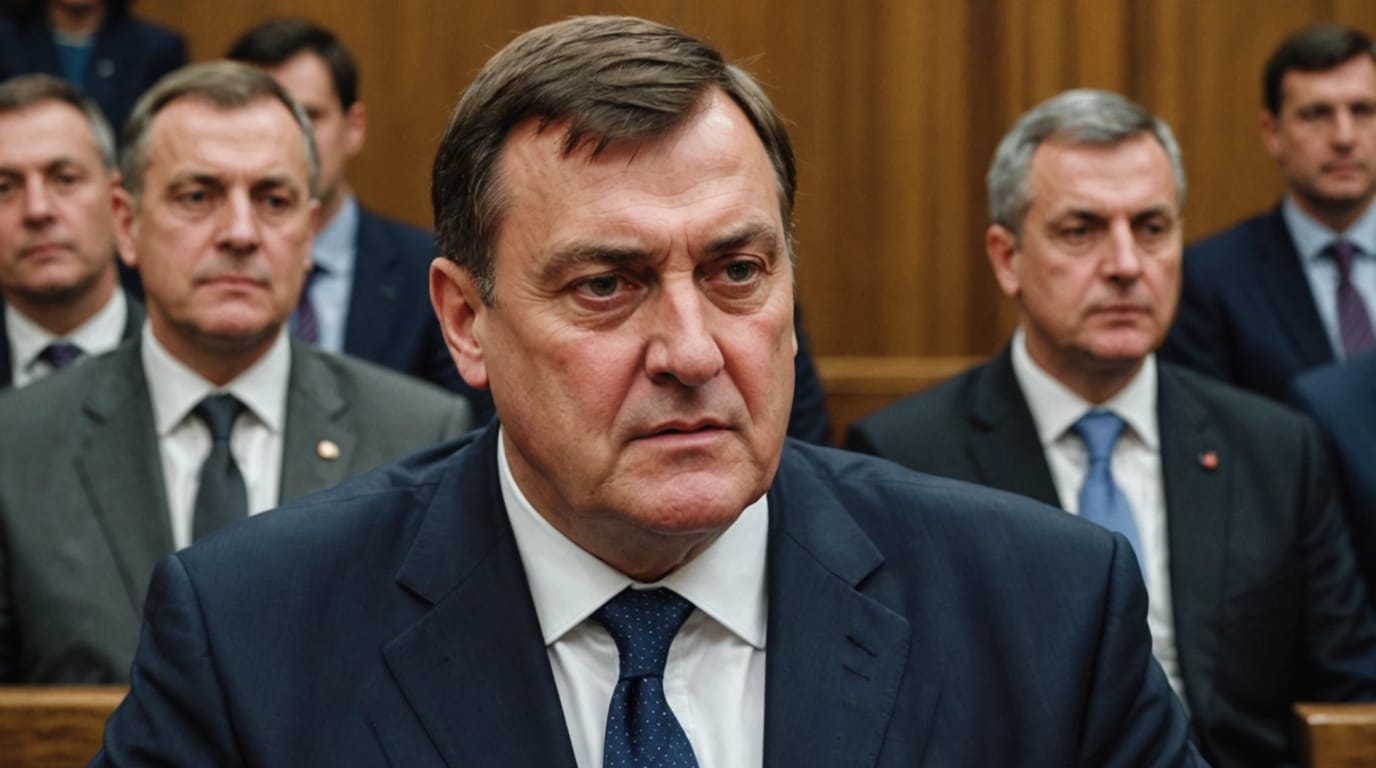
SARAJEVO, Bosnia and Herzegovina – Milorad Dodik, the President of Republika Srpska (RS), the Serb-majority entity within Bosnia and Herzegovina, has refused to comply with a summons from the Prosecutor's Office of Bosnia and Herzegovina, further deepening the political crisis in the country. Dodik, who was called to give a statement as a suspect in a case concerning the undermining of the constitutional order, declared he would not appear before what he called a "political court."
Dodik's defiance comes amid heightened tensions over his separatist rhetoric and actions, which have been widely criticized as destabilizing to the fragile peace established by the Dayton Agreement that ended the Bosnian War in the 1990s. His refusal to cooperate with state institutions raises serious questions about the rule of law and the future of Bosnia and Herzegovina as a unified nation.
Challenging the Authority of the State
Dodik's rejection of the summons is rooted in his long-standing opposition to the authority of the central government of Bosnia and Herzegovina. He argues that the Prosecutor's Office is an "unconstitutional category" and accuses it of being politically motivated. In a statement posted on social media platform "X," Dodik asserted that he was merely fulfilling his duty as prescribed by the Constitution and the laws enacted by the National Assembly of Republika Srpska.
This is not the first time Dodik has clashed with state-level judicial institutions. In October 2023, he refused to enter a plea on charges related to ignoring decisions by the international High Representative, Christian Schmidt, during a court appearance he derisively labeled a "circus." He has consistently maintained that the laws he has signed, which triggered the indictment, followed all constitutional procedures within Republika Srpska.
Legal and Political Ramifications
The Prosecutor's Office of Bosnia and Herzegovina has charged Dodik and Miloš Lukić, the acting director of the official gazette of Republika Srpska, with failing to comply with the decisions of the High Representative. The High Representative is an international official tasked with overseeing the implementation of the Dayton Agreement. Dodik's moves to undermine the High Representative's authority and disregard his decisions are seen as a direct challenge to the international community's role in maintaining peace and stability in Bosnia and Herzegovina.
If found guilty, Dodik and Lukić could face up to five years in prison and a ban from holding public office. However, the political implications of the case are far more significant. Dodik's actions are viewed by many as a deliberate attempt to destabilize the country and pave the way for the secession of Republika Srpska.
International Response and Concerns
Dodik's defiance has drawn condemnation from international actors, who have repeatedly warned against any actions that could undermine the sovereignty and territorial integrity of Bosnia and Herzegovina. The United States and the European Union have imposed sanctions on Dodik for his destabilizing behavior and corruption.
The international community remains deeply concerned about the potential for renewed conflict in Bosnia and Herzegovina. The country is still grappling with the legacy of the Bosnian War, and ethnic tensions remain high. Dodik's separatist rhetoric and actions are seen as exacerbating these tensions and undermining efforts to promote reconciliation and build a stable, multi-ethnic society.
The Path Forward
The current crisis presents a significant challenge to Bosnia and Herzegovina's future. Dodik's continued defiance of state institutions and the international community raises serious questions about the country's ability to function as a unified state.
Moving forward, it will be crucial for the international community to maintain a firm stance against any attempts to undermine the Dayton Agreement and destabilize the country. At the same time, efforts must be made to address the underlying grievances and concerns of all ethnic groups in Bosnia and Herzegovina and to promote dialogue and reconciliation. The future of Bosnia and Herzegovina depends on the ability of its leaders to overcome their divisions and work together to build a stable, prosperous, and democratic society for all its citizens.


