DR Congo Ebola Outbreak Reaches Grim Milestone, Becomes World's Second-Largest Ever
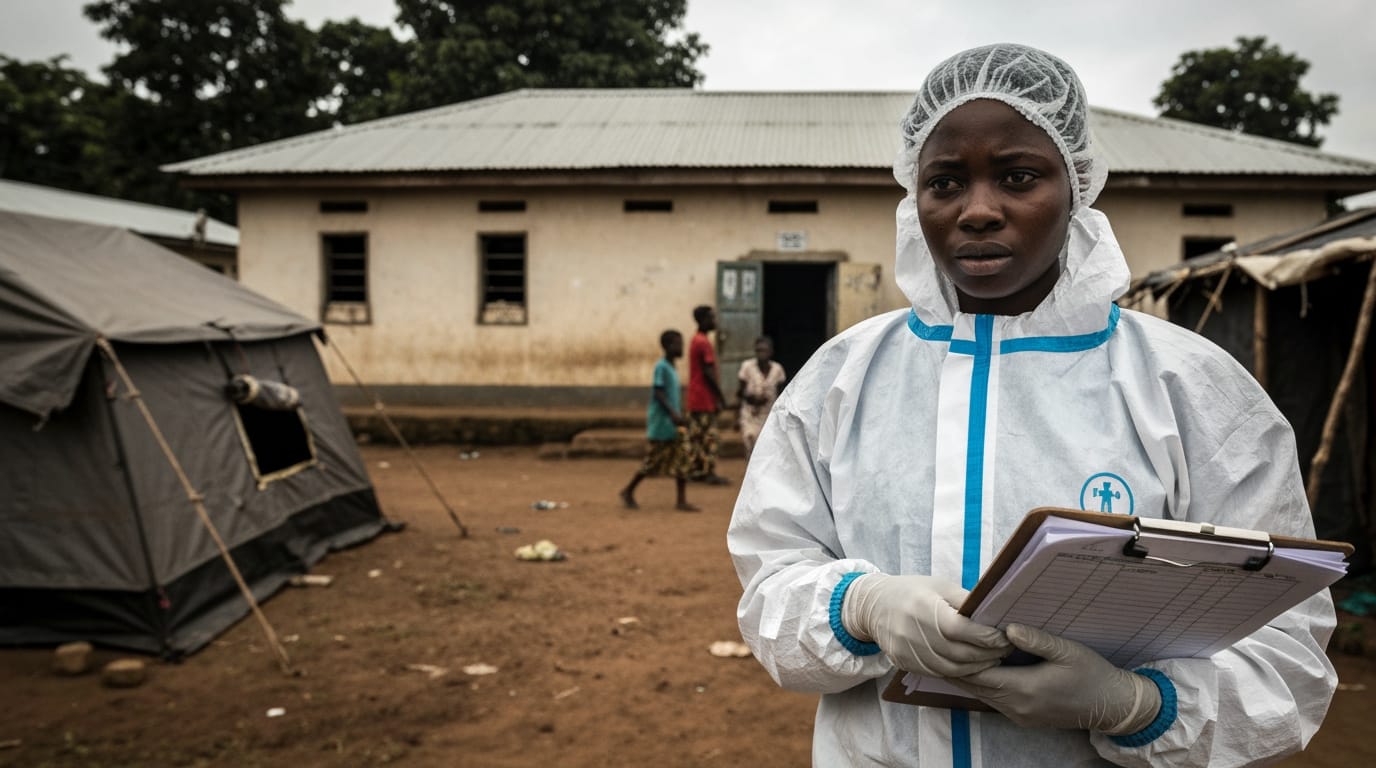
GENEVA – The Democratic Republic of Congo (DRC) is grappling with an escalating Ebola epidemic that has now surpassed all but one in recorded history, marking a critical and deeply concerning turning point in the global fight against the deadly virus. With more than 3,530 confirmed cases and 1,556 fatalities, the current outbreak has become the world's second-largest, underscoring the immense challenges faced by health authorities in a region plagued by conflict, mistrust, and logistical complexities. This alarming milestone places the ongoing crisis second only to the devastating West Africa epidemic of 2014-2016, prompting renewed international calls for urgent action and robust support.
The Escalating Crisis: A Rapidly Spreading Threat
The current Ebola outbreak, declared in mid-May, has seen an unprecedented speed of transmission, outstripping previous outbreaks within the DRC. As of July 31, 2026, the World Health Organization (WHO) and Congolese health authorities reported 3,532 confirmed infections and 1,556 deaths, translating to a case fatality rate of approximately 44.1 percent. These figures have eclipsed the 2018-2020 Ebola outbreak in the same country, which recorded around 3,470 to 3,481 cases and 2,299 deaths over nearly two years. The only outbreak to have registered a higher toll remains the catastrophic 2014-2016 West Africa epidemic, which resulted in more than 28,600 cases and 11,310 deaths across Guinea, Liberia, and Sierra Leone. The rapid expansion of the current outbreak, particularly its high death toll compared to similar timeframes in past epidemics, highlights the persistent difficulties in containing the virus.
A Formidable Foe: The Bundibugyo Strain and Treatment Gaps
A significant factor contributing to the severity and complexity of this outbreak is the pathogen itself: the Bundibugyo virus strain. Unlike the more common Zaire ebolavirus strain, for which licensed vaccines like Merck's Ervebo and treatments are available, there is currently no approved vaccine or specific therapeutic agent for Bundibugyo. This critical distinction means that traditional public health measures—such as rigorous case identification, contact tracing, isolation, and safe burials—form the primary line of defense.
The absence of a targeted vaccine has intensified global research efforts. The Coalition for Epidemic Preparedness Innovations (CEPI) has committed up to $8.5 million to accelerate the development and manufacturing of a Bundibugyo vaccine candidate, with clinical trials anticipated later this year. The University of Oxford's Vaccine Group has also initiated the world's first Phase I clinical trial for a Bundibugyo vaccine. While existing vaccines for the Zaire strain have shown some cross-reactive immunity against Bundibugyo, their efficacy is considerably lower, posing a challenge for widespread deployment in the current context. This gap in medical countermeasures underscores the urgent need for rapid scientific advancement to address rare but equally deadly Ebola strains.
Obstacles to Containment: Conflict, Mistrust, and Mobility
The current outbreak is unfolding in the volatile eastern provinces of North Kivu and Ituri, a region gripped by long-standing armed conflict involving numerous militant groups. This chronic instability poses an enormous challenge to humanitarian and health workers, frequently disrupting response efforts and creating a "deadly environment" that endangers frontline personnel. Attacks on health facilities and personnel, coupled with widespread insecurity, have forced the suspension of vital operations, allowing the virus to spread unchecked in some areas.
Beyond the direct threat of violence, public mistrust and pervasive misinformation further complicate containment efforts. Many communities harbor deep-seated suspicion towards external health interventions, fueled by political grievances, rumors, and a belief that Ebola is either fabricated or a curse. This skepticism leads to refusal of treatment, resistance to safe burial practices, and a reluctance to cooperate with contact tracing teams, hindering the ability to identify and monitor potential cases. Dr. Jean Kaseya, Director General of the Africa CDC, noted that more than 80% of new cases are surfacing outside the known contact list, a stark indicator of the challenges in effective contact tracing. The high population mobility within and across borders, including into neighboring Uganda where cases have been identified, further exacerbates the risk of regional and international spread.
The Global Response and Urgent Appeals
In response to the escalating crisis, the World Health Organization declared the outbreak a Public Health Emergency of International Concern (PHEIC), signifying the severity of the situation and the need for a coordinated international response. International organizations, including the WHO, Africa CDC, and various non-governmental organizations, are working alongside the Congolese government to bolster surveillance, enhance infection prevention and control, and engage communities. However, the scale and speed of the outbreak necessitate significantly increased support.
Senior United Nations officials have repeatedly warned that the epidemic is outstripping the response, doubling in size approximately every 20 days. Calls have been made for greater financial contributions, enhanced security measures for health workers, and innovative strategies to build trust and engage communities effectively. The ongoing battle against Ebola in the DRC is not merely a health crisis but a complex humanitarian emergency, intertwined with security, social, and economic challenges that demand a holistic and sustained global commitment.
The grim reality of the DRC’s latest Ebola outbreak ascending to the ranks of the world's largest underscores the persistent threat posed by emerging and re-emerging infectious diseases, particularly in fragile contexts. The combination of a virulent strain, a challenging operational environment, and community distrust has created a formidable barrier to control. While international and local efforts continue, the path to containing this rapidly expanding epidemic remains fraught with obstacles, emphasizing the urgent need for a unified, well-resourced, and community-centric approach to prevent further tragedy and protect global health security.


