DR Congo Embraces New Peace Roadmap Amidst Lingering Conflict and Cautious Optimism
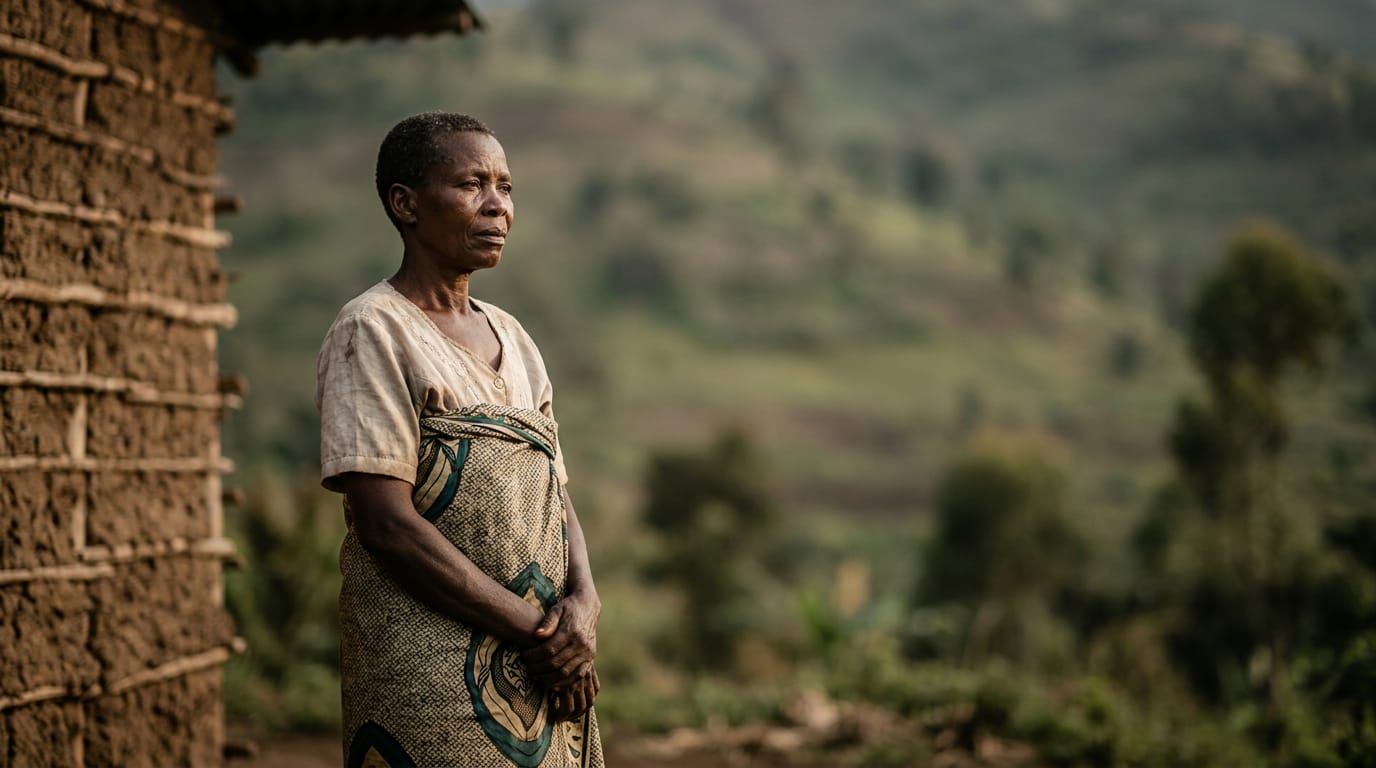
GENEVA, Switzerland – The Democratic Republic of Congo (DRC) and the M23 armed group have forged a new roadmap for peace talks, raising cautious hopes that a protracted and devastating conflict, which has displaced millions and ravaged the mineral-rich eastern region for decades, might finally be nearing an end. Following five days of intensive negotiations hosted by Switzerland, the parties agreed on sequenced steps and timelines for negotiations under the existing Doha Framework Agreement, even as fighting persists on the ground.
The recent breakthrough, announced on Sunday, August 23, 2026, includes the establishment of a standardized method for reporting ceasefire violations and a mechanism to review progress and address challenges in implementing existing commitments. A critical first test of this commitment is scheduled for Monday, August 24, with a ceasefire verification mission set to deploy to Minembwe, in the DRC's South Kivu province, an area that has witnessed fierce clashes in recent months. This diplomatic momentum arrives against a backdrop of deep-seated complexities, chronic instability, and the continuous suffering of the Congolese populace, who have long endured cycles of violence fueled by a complex interplay of historical grievances, ethnic tensions, and the relentless pursuit of vast natural resources.
Decades of Despair: The Roots of a Persistent Conflict
The Democratic Republic of Congo's enduring crisis is a tapestry woven from post-colonial power struggles, ethnic strife, political rivalries, and rampant corruption, all exacerbated by the country's immense mineral wealth. Since gaining independence from Belgium in 1960, the nation has been plagued by instability, with the current conflict having roots stretching back to the 1990s, particularly in its eastern provinces bordering South Sudan, Uganda, Rwanda, and Burundi. The aftermath of the 1994 Rwandan genocide, which saw nearly two million Hutu refugees, including extremist elements, flee into eastern DRC, profoundly destabilized the region, contributing to the First (1996-1997) and Second (1998-2003) Congo Wars.
Eastern DRC, with its abundant deposits of coltan, gold, diamonds, and cobalt – minerals vital for global electronics – has become a tragic battleground. The exploitation of these resources not only attracts numerous armed groups, which are often financed by their control over mining operations, but also draws in foreign intervention, with neighboring countries like Rwanda and Uganda frequently accused of backing various militias or intervening militarily for strategic, economic, or security reasons. This intricate web of internal and external factors has resulted in an estimated six million deaths since 1996 and has displaced over seven million people internally, creating one of the world's most severe humanitarian crises.
A Fragile Framework: The Path to Dialogue
The recently agreed roadmap builds upon a series of internationally brokered efforts to bring peace to the Great Lakes region. A significant milestone was the Doha Framework Agreement, signed in November 2025 in Qatar between the Congolese government and the M23, aiming to address the conflict's root causes through dialogue and a phased approach to de-escalation and stabilization. This agreement was preceded by the Washington Accords for Peace and Prosperity in June 2025, a US-brokered peace treaty between the DRC and Rwanda. The Washington Accords aimed to end the conflict between the two nations by calling for the withdrawal of Rwandan troops from eastern DRC and the Congolese government to cease support for the Democratic Forces for the Liberation of Rwanda (FDLR) militia, while also proposing a regional economic integration framework.
However, the M23, a major Rwandan-backed rebel group, was not a direct party to the Washington Accords, engaging in separate negotiations with Kinshasa under the Doha process. The latest round of talks in Switzerland, held from August 17 to 21, 2026, aimed to revive the stalled Doha process, which had seen renewed fighting despite previous commitments. Mediated by a consortium including the United States, Qatar, Switzerland, the African Union Commission, and Togo, these discussions culminated in the roadmap outlining sequenced steps and timelines for future negotiations. Crucially, the parties reaffirmed their commitment to pursuing comprehensive peace and conflict resolution. As a sign of goodwill and commitment to the Doha agreement, Congolese authorities recently released 15 prisoners and handed them over to M23, marking a tangible step toward implementation.
Persistent Hurdles and Enduring Violence
Despite these diplomatic overtures, the path to lasting peace in eastern DRC remains fraught with significant challenges. The region continues to grapple with the presence of over a hundred active armed groups, each with evolving loyalties often guided by ethnic identities, economic interests, and political manipulation. The M23, which seized Goma and Bukavu in early 2025 and continues to control substantial territory in the east, exemplifies the enduring power of these non-state actors.
Reports indicate that fighting has continued even after the signing of the Doha Framework Agreement, with both sides accusing each other of breaching terms and ceasefire violations remaining a constant threat. Moreover, core issues such as sanctions against M23, the release of other detainees, and the timing of political reforms remain unresolved. Broader systemic issues, including poor governance, political and corporate corruption, and the lack of inclusivity in past peace processes, further complicate efforts to achieve sustainable stability. The insufficient funding for both military and diplomatic initiatives has also jeopardized progress, leading to the partial suspension of certain programs. The presence of Rwandan troops on Congolese soil and their support for M23 continue to fuel tensions and mistrust between Kinshasa and Kigali, despite the Washington Accords.
A Glimmer of Hope Amidst the Shadow
While the history of peace agreements in the DRC is riddled with failures, the establishment of a detailed roadmap for negotiations and a tangible ceasefire verification mechanism offers a glimmer of hope. The commitment to a "standardized method for reporting allegations of ceasefire violations" is particularly significant, as it could help build trust and accountability where it has historically been absent. The upcoming verification mission to Minembwe represents a concrete step towards implementing these mechanisms.
International mediators, including the US and Qatar, have consistently reaffirmed their support for these peace efforts, recognizing the regional and global security implications of the DRC conflict. The potential for economic cooperation outlined in the Washington Accords, particularly concerning critical minerals, also provides an incentive for regional stability, although this has yet to translate into sustained peace.
Conclusion: A Long Road Ahead for a Resilient Nation
The newly agreed peace roadmap between the DRC government and the M23 rebel group signals a renewed diplomatic push to end one of the world's most complex and devastating conflicts. While the commitment to sequenced steps, timelines, and verification mechanisms represents a step forward, the road to comprehensive peace remains long and arduous. The deep-seated issues of governance, resource exploitation, ethnic divisions, and external interference continue to pose formidable challenges.
For the resilient people of the Democratic Republic of Congo, who have borne the brunt of decades of violence, the question of whether this peace roadmap will finally end the fighting hinges on the sustained political will of all parties, genuine commitment to implementation, and unwavering support from the international community. The stakes are immense, not just for the DRC, but for the stability and prosperity of the entire Great Lakes region. The world watches, with cautious optimism, as this latest chapter in the quest for peace unfolds.