DR Congo, M23 Rebels to Hold Direct Peace Talks in Angola
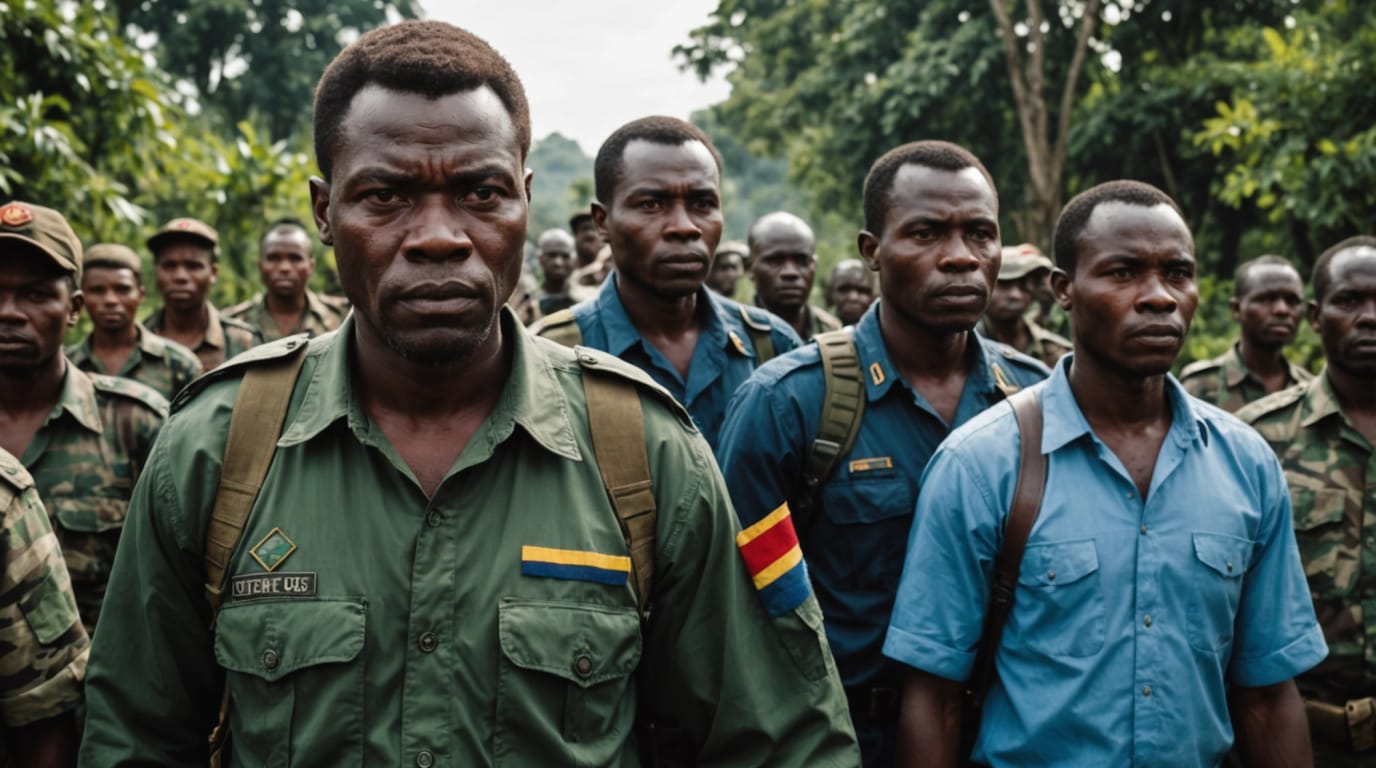
Direct peace talks between the Democratic Republic of Congo (DRC) government and the M23 rebels are slated to begin on March 18 in Luanda, the capital of Angola, marking a potential turning point in the long-standing conflict in eastern DRC. The Angolan government announced the planned negotiations on Tuesday, signaling a shift in approach after previous attempts at mediation excluded the M23.
The announcement follows a visit by DRC President Félix Tshisekedi to Angola, where he met with Angolan President João Lourenço to discuss a possible path to peace. Angola has taken on the role of mediator in the conflict, which has escalated in recent months, causing a dire humanitarian crisis.
A Shift in Strategy
Previous peace initiatives led by Angola had focused on the role of Rwanda, which has been accused of backing the M23, a Tutsi-led rebel group. Rwanda has consistently denied these allegations. The decision to include the M23 in direct talks represents a significant change in strategy, potentially opening a new avenue for de-escalation and a lasting ceasefire.
The DRC government had previously refused to negotiate directly with the M23. However, a spokesperson for President Tshisekedi confirmed that they had received an invitation from Angola for the talks, although there was no immediate confirmation of their participation. M23 leader Bertrand Bisimwa claimed on social media that the rebels had forced Tshisekedi to the negotiating table, calling it "the only civilized option to resolve the current crisis that has lasted for decades."
A Region in Crisis
Eastern DRC has been plagued by conflict for decades, with more than 100 armed groups vying for control of the region's vast mineral resources. The M23, one of the most prominent of these groups, has captured key areas in eastern Congo, including the strategic city of Goma and, more recently, Bukavu, causing widespread displacement and suffering.
The ongoing conflict has created one of the world's worst humanitarian crises, with more than 7 million people internally displaced. The fighting has also led to a surge in refugees fleeing to neighboring countries. Since January, 61,000 Congolese refugees have arrived in Burundi, according to the UN Refugee Agency.
The conflict is rooted in the complex history of the region, including the spillover from the 1994 Rwandan genocide and the ongoing struggle for control of DRC's rich mineral deposits, which include coltan, cobalt, copper, and lithium. These minerals are essential for the production of electronics and batteries, making the region a prize for armed groups and external actors.
Fears of a Wider Conflict
The presence of troops from neighboring countries, including South Africa, Burundi, and Uganda, has raised fears of a wider regional conflict, potentially resembling the Congo wars of the 1990s and early 2000s, which resulted in millions of deaths.
Germany recently suspended new aid to Rwanda over its alleged involvement in the DRC conflict, further highlighting the international concern over the situation.
Hopes for a Breakthrough
The upcoming peace talks in Angola offer a glimmer of hope for a breakthrough in the conflict. However, significant challenges remain. The deep-seated mistrust between the DRC government and the M23, as well as the complex web of regional and international interests, could complicate the negotiations.
The success of the talks will depend on the willingness of all parties to compromise and commit to a lasting peace. The international community will also need to play a supportive role, providing assistance for disarmament, demobilization, and reintegration programs, as well as addressing the underlying causes of the conflict, including the exploitation of mineral resources and the grievances of marginalized communities.
A Long Road Ahead
While the announcement of direct peace talks is a positive step, it is just the beginning of a long and difficult process. The people of eastern DRC have suffered for too long, and they deserve a chance to live in peace and security. The upcoming negotiations in Angola offer a chance to make that a reality, but only if all parties are committed to finding a lasting solution.


