DR Congo on Edge as Constitutional Referendum Fuels Political Firestorm
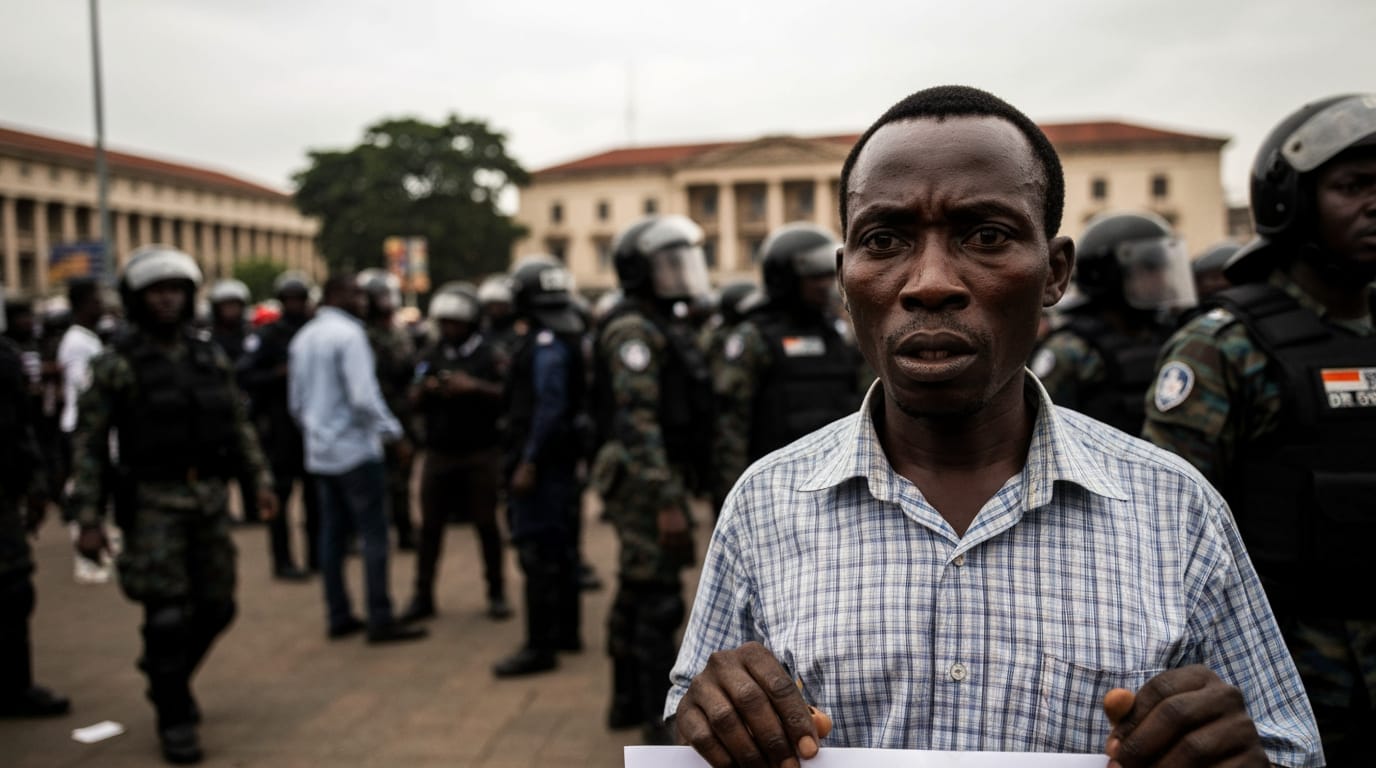
KINSHASA, DR Congo — The Democratic Republic of Congo is grappling with escalating political tensions as President Félix Tshisekedi's administration presses ahead with plans for a constitutional referendum. The proposed changes, which critics fear could pave the way for an extension of presidential term limits, have ignited a fierce political battle, drawing widespread condemnation from opposition leaders and civil society groups who warn of a potential "constitutional coup" in a nation already plagued by instability and conflict. The impending vote represents a critical juncture for the central African country, threatening to unravel fragile democratic gains and deepen societal divisions.
The Genesis of the Constitutional Debate
President Tshisekedi first signaled his intention to reform the constitution during a speech in Kisangani in October 2024, describing the existing 2006 charter as "outdated" and "not adapted to the country's realities". He proposed the establishment of a commission in 2025 to draft a new constitution, suggesting that the question of presidential term limits would ultimately be decided by the people. Supporters of the initiative, including the ruling Union Sacrée coalition, maintain that a constitutional overhaul is essential to modernize state institutions, enhance governance, and address systemic weaknesses within the Congolese political framework. They argue that the current text, drafted nearly two decades ago following a period of conflict, no longer reflects contemporary political and socio-economic realities. Some proponents also link the reforms to strengthening state capacity to tackle persistent security challenges, particularly in the country's restive eastern provinces.
The legislative machinery has moved swiftly. On June 9, 2026, the National Assembly overwhelmingly approved a referendum bill, with 348 out of 351 participating members voting in favor. This legislation, now awaiting review in the Senate, marks a significant step toward constitutional reform. The Secretary-General of the presidential party, Augustin Kabuya, has openly affirmed the government's intent, stating, "Rest assured, we are going to amend this Constitution". President Tshisekedi himself was re-elected for a second term in December 2023, an election that was marred by reports of violence. His administration contends that constitutional reform is an exercise in popular sovereignty and a necessary evolution for the nation.
Opposition's Fierce Resistance
The government's push for constitutional change has met with vehement opposition, sparking a wave of protests and political mobilization across the country. Opposition leaders, notably Martin Fayulu, have positioned themselves at the forefront of the resistance, accusing the ruling power of attempting to entrench President Tshisekedi's authority beyond the constitutionally mandated two-term limit. Groups like the Article 64 Coalition (C64) and the citizen movement Lutte pour le Changement (LUCHA) have denounced the proposed reforms as a "constitutional coup," arguing that they threaten the very foundations of Congolese democracy.
The opposition has questioned the government's priorities, pointing to the profound governance issues rather than constitutional flaws as the root cause of the country's struggles. They claim that political elites often prioritize personal and partisan interests over the public good, and that the proposed changes are a maneuver for political survival rather than genuine national progress.
Demonstrations in Kinshasa have underscored the growing discontent. A "town shut-down" protest organized by the opposition on June 3, 2026, was followed by further clashes between protesters and security forces on June 15, intensifying the standoff. While opposition leaders condemned what they described as a violent crackdown, authorities dismissed these accusations, insisting their response was justified. The opposition boycotted the National Assembly debates and vote on the referendum bill, further highlighting their rejection of the process. Human rights organizations, including Human Rights Watch, have voiced concerns over what they describe as a crackdown on critics, with increasing restrictions on fundamental liberties such as freedom of expression and peaceful assembly, alongside reports of arbitrary detentions of journalists, activists, and opposition members.
A Nation's Broader Agendas
The constitutional debate unfolds against a backdrop of deep-seated and pervasive crises plaguing the Democratic Republic of Congo. The eastern provinces continue to be ravaged by conflict involving over 120 armed groups, including the M23 rebels, who have seen a resurgence since 2022 and are allegedly supported by Rwanda. This persistent violence has led to a catastrophic humanitarian situation, with more than seven million people internally displaced within the country, one of the highest figures in Africa. Entire regions, including parts of North Kivu and South Kivu, remain under the control of rebel factions, which have even established parallel administrations.
Amidst this turmoil, critics argue that the government's focus on constitutional reform diverts crucial attention and resources from these urgent national priorities. Religious leaders, such as Cardinal Fridolin Ambongo, have publicly questioned the rationale behind dedicating time, energy, and funds to constitutional changes when pressing issues like the plight of abandoned youth demand immediate attention. Despite being exceptionally rich in natural resources, the DR Congo remains one of the world's poorest and least developed nations, burdened by political instability, rampant corruption, and inadequate infrastructure. The conflict in the east, characterized by illicit mining and resource exploitation, further exacerbates the country's economic and social woes. The perceived disregard for these existential challenges in favor of a contentious political maneuver amplifies public frustration and distrust in governance.
Implications for Stability and Democracy
The constitutional referendum saga poses significant risks to the Democratic Republic of Congo's already fragile democratic institutions and overall stability. For a country that only saw its first peaceful transfer of power in 2019, following decades of dictatorship and conflict, any move seen as undermining constitutional norms is viewed with profound apprehension. The attempt to alter term limits, a common tactic employed by leaders in other African nations to prolong their stay in power, raises concerns about a potential slide back towards authoritarianism.
Should the referendum pass, allowing President Tshisekedi to seek a third term, it could further polarize the political landscape, potentially leading to increased social unrest and violence. The forceful suppression of opposition protests and the perceived marginalization of dissenting voices could erode public trust in the democratic process and exacerbate human rights concerns. The international community has consistently emphasized the importance of upholding human rights and democratic principles in the DRC, urging the government to ensure citizens' rights to freedom of expression and genuine periodic elections. The current political climate, characterized by deepening divisions and a perception of executive overreach, threatens to undermine efforts toward peacebuilding and institutional reform in a country whose stability is crucial for the wider Central African region. The coming months will be pivotal in determining whether the Democratic Republic of Congo can navigate this contentious period without succumbing to further political and social upheaval.


