DRC's Ebola Outbreak Becomes Deadliest in Nation's History Amidst Unprecedented Challenges
Kinshasa, Democratic Republic of Congo – The Democratic Republic of Congo (DRC) is grappling with its most devastating Ebola outbreak to date, as the death toll has surged past previous records, marking a grim milestone in the nation's struggle against the deadly virus. With 2,325 confirmed fatalities and 4,945 total confirmed cases reported as of August 17, 2026, this 17th outbreak in the DRC's history has surpassed the devastating 2018-2020 epidemic, which claimed 2,299 lives. The rapid escalation and complex environment of the current crisis present formidable challenges to containment efforts, raising urgent concerns from global health organizations.
A Crisis Unfolding: The Grim Statistics
The current Ebola outbreak, officially declared on May 15, has rapidly outpaced all predecessors within the Democratic Republic of Congo. The latest figures from the DRC's national public health institute reveal an alarming case fatality rate of approximately 47 percent, meaning nearly one in every two confirmed cases proves fatal. On Sunday, August 16, alone, 101 new cases were recorded, underscoring the relentless progression of the disease. This outbreak is notable not only for its record number of deaths within the DRC but also for its unprecedented speed; it reached over 2,000 deaths in less than three months, a pace significantly faster than the nearly five months it took for the 2014-2016 West Africa outbreak to reach 1,000 fatalities. While the West African epidemic of 2014-2016 remains the largest on record globally with 11,310 deaths and 28,616 cases, the World Health Organization (WHO) has warned that the current DRC outbreak is on track to potentially eclipse it. The current crisis is attributed to the Bundibugyo species of the Ebola virus, for which there are currently no approved vaccines or treatments, though clinical trials for two potential treatments recently began in Ituri.
Battling the Virus in a Volatile Landscape
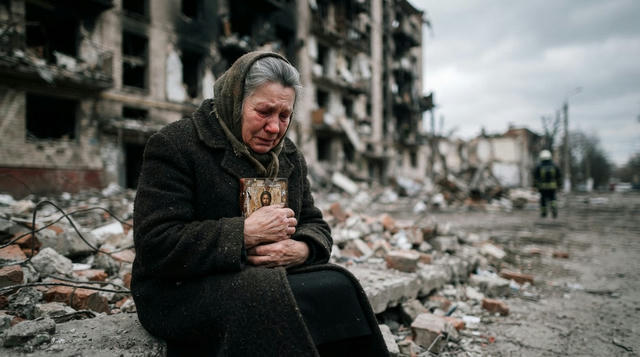
The epicenter of the current outbreak is predominantly concentrated in the eastern provinces of Ituri and North Kivu, regions that have long been plagued by entrenched conflict and instability. This volatile environment significantly complicates the public health response. Over 70 armed groups operate in these mining-rich areas, contributing to a state of chronic civil unrest. Violence, including direct attacks on health workers and facilities, has become a severe impediment to surveillance, contact tracing, and the safe burial of victims—all critical components of Ebola containment. Response teams from various organizations, including the WHO and national authorities, often face dangerous conditions, with humanitarian access frequently blocked due to insecurity.
Beyond direct violence, community resistance, denial, and widespread rumors about the disease and response efforts pose substantial hurdles. Mistrust of authorities, exacerbated by years of conflict and external interventions, leads many individuals to avoid seeking care or to conceal cases, allowing the virus to spread undetected within communities. This challenge is compounded by the fact that many deaths still occur outside health facilities, making it difficult to trace transmission chains effectively. The outbreak has now spread across 55 health zones in six provinces, including Ituri, North Kivu, Haut-Uele, Tshopo, South Kivu, and Bas-Uele, highlighting the extensive geographical reach of the virus. The risk of regional spread is also a significant concern, with cases having been reported in neighboring Uganda and cross-border movements threatening wider dissemination.
Response Efforts Under Strain
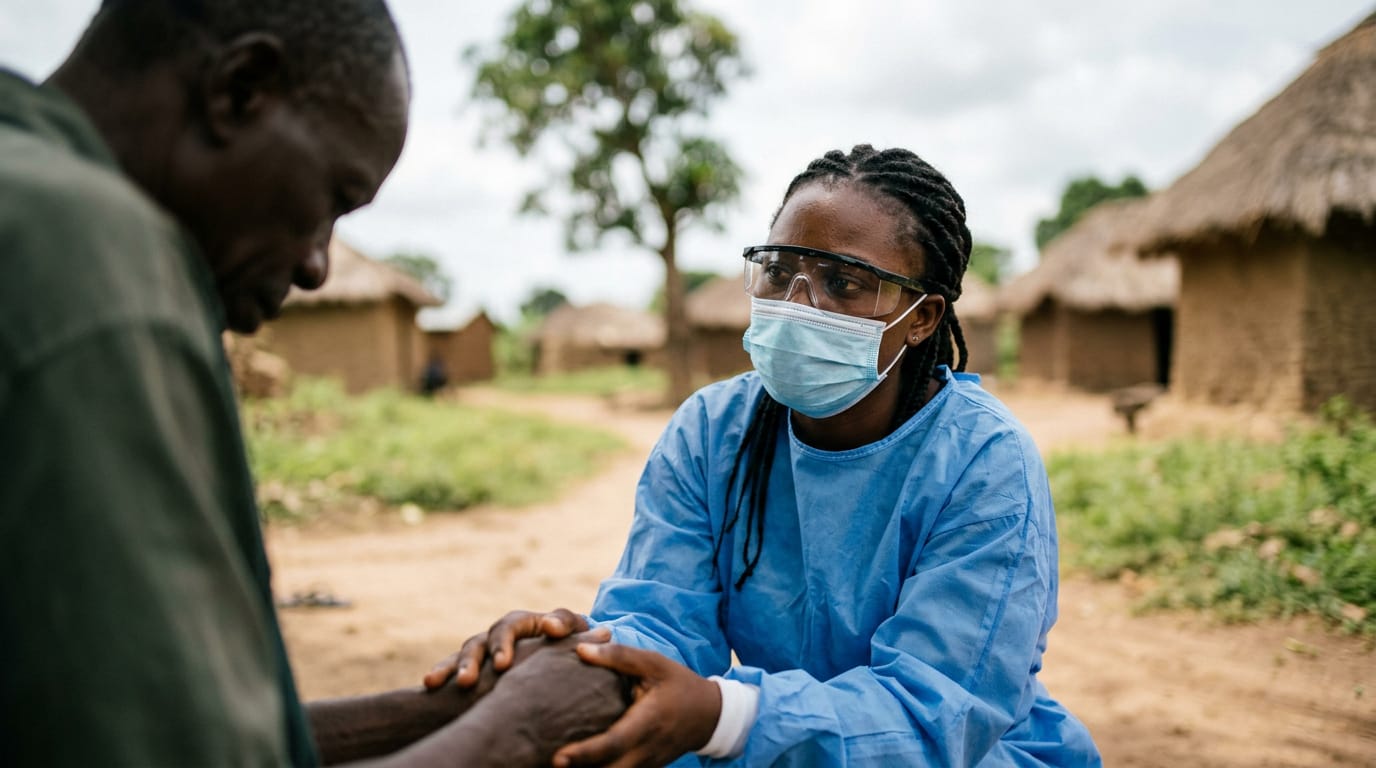
In response to the escalating crisis, national authorities in the DRC, in collaboration with the WHO and numerous international partners, have mobilized extensive resources. A dedicated response team comprising over 10,000 individuals is engaged in various critical pillars, including active surveillance, risk communication, vaccination campaigns (where applicable for other strains), treatment and care, infection prevention and control, and ensuring safe and dignified burials. Despite these significant efforts, the sheer scale and complexity of the outbreak are overwhelming existing capacities. Treatment and transit centers in some of the most affected regions, particularly Ituri, are saturated, and many areas lack adequate facilities. Furthermore, delays in the payment of some response personnel have reportedly affected staff morale and the continuity of crucial activities.
Experts emphasize that effective containment hinges on improving community engagement and fostering trust. This involves greater reliance on local leaders and trusted community networks to encourage early care-seeking and ensure safe practices, rather than a heavily militarized approach which can further alienate populations. Calls have been made for the response to be rooted in "demilitarization, depoliticization, and conflict sensitivity" to achieve a lasting impact.
Broader Implications and Urgent Appeals
The current Ebola outbreak is not occurring in isolation but within a broader humanitarian crisis in eastern DRC. The region is simultaneously battling outbreaks of cholera, measles, and malaria, alongside persistent violence and mass displacement. This confluence of crises creates an incredibly fragile environment where already weakened health systems are stretched to their breaking point. Population movement, a consequence of both conflict and disease, further disrupts surveillance and contact tracing efforts. The fear associated with Ebola can deter individuals from seeking care for other preventable diseases, potentially leading to increased mortality from conditions that are otherwise treatable.
United Nations humanitarian chief Tom Fletcher issued a stark warning, stating that "Ebola is winning in the Democratic Republic of the Congo" and emphasizing the urgent need for "speed, scale, and solidarity" to prevent the virus from gaining further ground. The long-term consequences could be severe, impacting not only the immediate health of the population but also the already strained public health infrastructure and the delicate balance of regional stability. The advancement of the epidemic into major population centers and areas controlled by armed groups, such as the M23, has raised fears of wider regional escalation, particularly concerning relations with neighboring countries like Rwanda and Uganda.
Conclusion
The Democratic Republic of Congo faces an unparalleled public health catastrophe with this deadliest-ever Ebola outbreak. The interplay of a highly virulent disease, ongoing armed conflict, deep-seated community mistrust, and a fragile healthcare system has created a "perfect storm," as described by the WHO in previous outbreaks in the region. While dedicated local and international teams continue their tireless work, the sheer scale of the challenge necessitates a profoundly re-evaluated and sustained global response. Without addressing the underlying issues of insecurity, fostering genuine community trust, and significantly bolstering health infrastructure, the path to containing this devastating epidemic will remain exceptionally arduous, leaving an indelible mark on the nation and its people.