DRC's Struggle: Why a Larger Army Loses to M23 Rebels
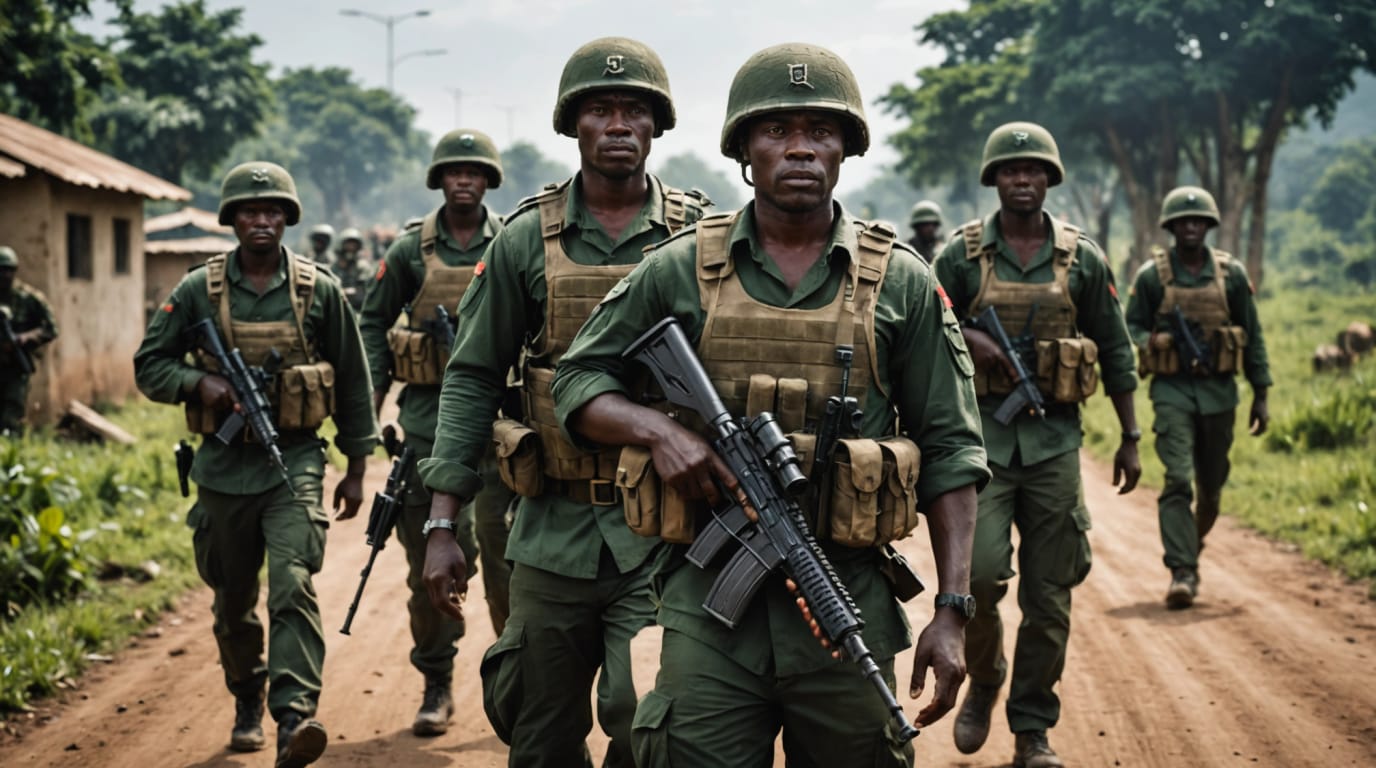
Despite possessing a significantly larger army, the Democratic Republic of Congo (DRC) continues to struggle against the M23 rebel group. The M23, a Tutsi-led insurgency primarily operating in the eastern DRC, has repeatedly demonstrated a capacity to outmaneuver and defeat the Forces Armées de la République Démocratique du Congo (FARDC), raising serious questions about the Congolese military's effectiveness. This disparity stems from a complex interplay of factors, including corruption, mismanagement, inadequate training, and external support for the rebels.
A History of Weakness and Instability
The DRC's military has been plagued by systemic issues for decades. Historically, the army has suffered from chronic underfunding, poor training, and outdated equipment. During Mobutu Sese Seko's rule, the military's structure was deliberately weakened to prevent it from becoming a threat to his power. Corruption has also been a persistent problem, with officers frequently embezzling wages and engaging in illicit activities. This has led to low morale, indiscipline, and a lack of operational effectiveness within the FARDC. The integration of various rebel groups and militias into the FARDC following the Second Congo War further complicated the situation, creating a force with internal divisions and a lack of cohesion.
Corruption and Mismanagement
Corruption within the FARDC is rampant and deeply entrenched. Transparency International notes that corruption permeates all sectors of the Congolese economy, including the armed forces. Soldiers, often deprived of decent salaries, resort to extortion and looting to survive, becoming a threat to the very population they are meant to protect. This corruption extends to senior levels of the military, with some officers prioritizing personal enrichment over the welfare of their troops and the security of the country. Mismanagement further exacerbates these problems, with inadequate logistical support, poor leadership, and a lack of accountability hindering the FARDC's ability to effectively combat the M23.
Training and Equipment Deficiencies
Inadequate training and outdated equipment are significant factors contributing to the FARDC's struggles. Despite efforts by the international community and the Congolese government to create a viable fighting force, these efforts have been hampered by corruption and a lack of coordination. Many Congolese soldiers lack proper military training, and the army's equipment is often obsolete and poorly maintained. This puts them at a distinct disadvantage when facing the M23, which is often better equipped and trained.
External Support for M23
The M23's strength is significantly bolstered by external support, particularly from Rwanda. The United Nations and several foreign governments have documented Rwanda's backing of the M23, including providing arms, troops, and logistical support. This support has allowed the M23 to acquire advanced weaponry, such as surface-to-air missiles, combat drones, and heavy artillery, giving them a significant advantage over the FARDC. Rwanda has a long history of military intervention in the DRC, and its support for the M23 is seen as a way to protect its interests in the region and exert influence over Congolese affairs. Rwanda justifies its actions by citing security concerns, particularly the presence of the Democratic Forces for the Liberation of Rwanda (FDLR), a Hutu extremist group, in eastern DRC. However, critics argue that Rwanda's true motives are to exploit the DRC's natural resources and expand its territorial control.
Impact on Civilians and Regional Stability
The ongoing conflict between the FARDC and the M23 has had a devastating impact on civilians in eastern DRC. Millions of people have been displaced from their homes, and thousands have been killed. The violence has also exacerbated existing humanitarian challenges, including food insecurity, lack of healthcare, and sexual violence. The conflict has also contributed to regional instability, with neighboring countries becoming increasingly involved. Uganda and Burundi have also deployed troops to the DRC, further complicating the situation. The risk of a wider regional conflict is a major concern, with analysts warning that the current situation is reminiscent of the Second Congo War, which involved multiple African nations and resulted in millions of deaths.
International Involvement and Challenges
The international community has been actively involved in the DRC for many years, with the United Nations maintaining a peacekeeping mission (MONUSCO) in the country since 1999. However, MONUSCO's effectiveness has been limited, and the mission is currently being phased out at the request of the Congolese government. The Southern African Development Community (SADC) has also deployed a force to the DRC to help combat the M23, but this force has also faced challenges, including casualties and logistical difficulties. Diplomatic efforts to resolve the conflict have been ongoing, but progress has been slow. The main point of contention is the DRC's refusal to negotiate directly with the M23, which it sees as a Rwandan proxy.
Reforming the FARDC: A Path Forward
Addressing the FARDC's weaknesses is crucial for achieving long-term stability in the DRC. This requires a comprehensive reform of the military, including:
- Combating corruption: Implementing measures to improve transparency and accountability within the FARDC, including stricter financial controls and prosecution of corrupt officers.
- Improving training and equipment: Investing in better training programs for Congolese soldiers and providing them with modern equipment.
- Strengthening leadership: Promoting competent and ethical officers to leadership positions and holding them accountable for their actions.
- Promoting national unity: Integrating soldiers from different ethnic groups and regions into a unified national army.
- Addressing root causes of conflict: Tackling the underlying issues that fuel conflict in eastern DRC, such as poverty, inequality, and ethnic tensions.
The international community can play a vital role in supporting these efforts by providing financial and technical assistance, as well as exerting pressure on the Congolese government to implement reforms. However, ultimately, the responsibility for reforming the FARDC lies with the Congolese themselves.
Conclusion
The DRC's struggle against the M23 highlights the complex challenges facing the country. While the FARDC's larger size would suggest an advantage, systemic issues such as corruption, mismanagement, inadequate training, and external support for the rebels have undermined its effectiveness. Reforming the FARDC is essential for achieving lasting peace and stability in the DRC, but it will require a sustained commitment from the Congolese government and the international community. Without meaningful reforms, the DRC will likely remain vulnerable to the M23 and other armed groups, perpetuating the cycle of violence and instability that has plagued the country for decades.


