Dresden on Edge: WWII Bombs Trigger Largest Evacuation in City's History
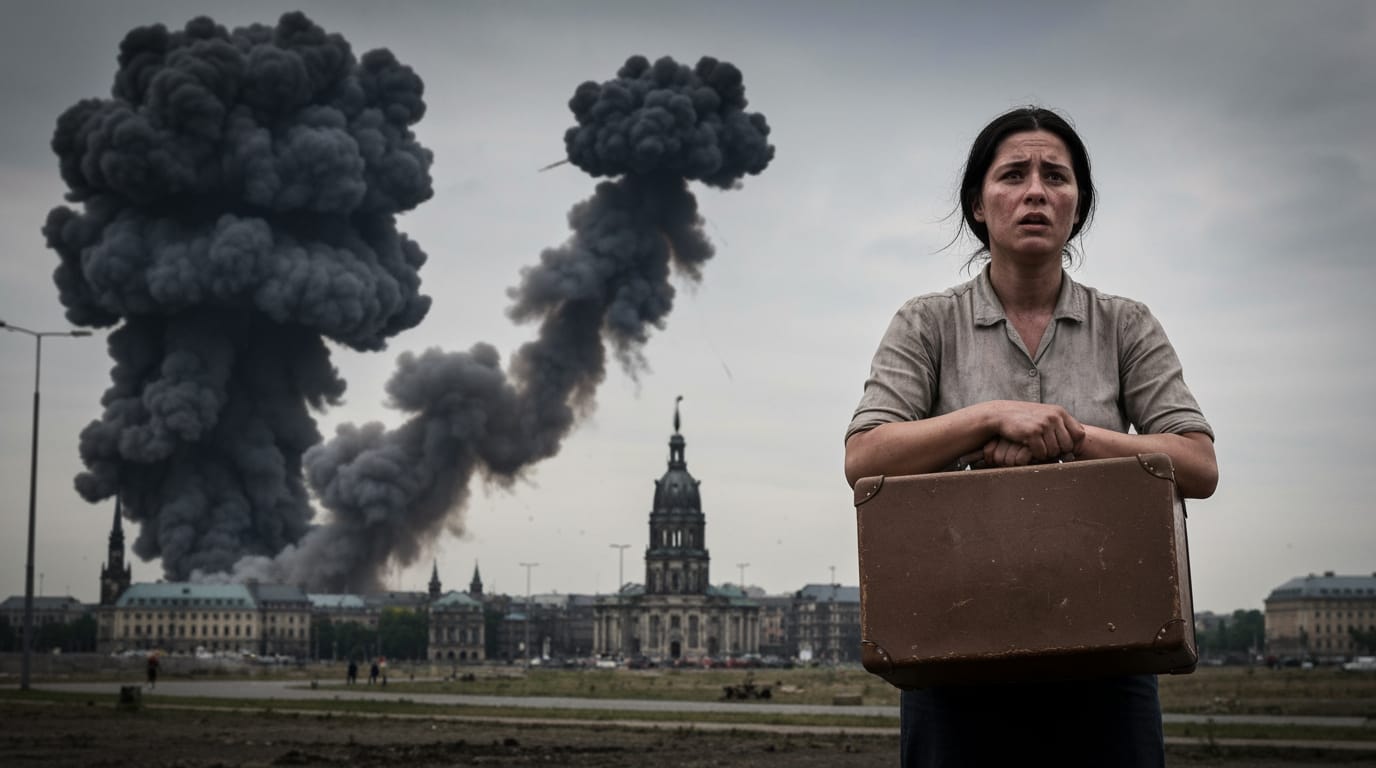
DRESDEN, Germany – Nearly 81 years after the devastating Allied bombing raids of World War II, a palpable reminder of the conflict gripped the historic city of Dresden today as two unexploded World War II bombs necessitated the largest evacuation in the city's history. Approximately 18,000 residents, workers, and tourists were compelled to leave their homes and businesses in the city center as authorities initiated a complex operation to neutralize the dangerous ordnance discovered beneath the banks of the Elbe River. The widespread disruption underscores Germany's ongoing challenge with the hazardous legacy of wartime munitions, frequently unearthed during modern construction.
Discovery Halts City Life
The discovery unfolded during routine geological surveys and mine clearance operations, essential preparatory work for the ambitious reconstruction of the Carola Bridge. The bridge had partially collapsed in September 2024, prompting extensive demolition and cleanup efforts over the past year. As the morning hours of Wednesday, March 11, 2026, progressed, authorities confirmed that two suspicious objects unearthed were indeed unexploded bombs from World War II. The immediate threat posed by these relics prompted an urgent response, leading city officials to declare a mandatory evacuation of a 1,000-meter radius around the site. By 9:00 a.m. local time, the vast exclusion zone, encompassing much of central Dresden, was to be cleared to allow bomb disposal experts to commence their delicate work. This area included iconic landmarks such as the Dresden Royal Palace, the Semperoper Opera House, the Frauenkirche, and the Dresden Cathedral, alongside vital infrastructure like police headquarters, the Saxon State Parliament, numerous government offices, nursing homes, and nurseries. The unprecedented scale of the relocation effort immediately marked it as the largest evacuation ever conducted in Dresden.
A City on the Move
The meticulous planning for such an extensive evacuation involved a coordinated effort from emergency services, city administration, and public transport operators. Residents within the designated safety perimeter were instructed to leave, with temporary shelters established at the Dresden Exhibition Centre. To facilitate the mass movement, Dresden's transport company deployed additional buses and trams, ensuring that affected individuals had means to reach the designated safe zones. Despite the significant inconvenience and disruption to daily life, initial reports indicated a largely cooperative response from the populace, accustomed to the occasional but serious challenges posed by unexploded ordnance in German cities. The scene, often marked by deserted streets and shuttered businesses, highlights a collective understanding of the inherent dangers and the necessity of such drastic measures for public safety.
The Perilous Task of Defusal
The defusal of unexploded World War II bombs is a highly specialized and inherently dangerous undertaking. While specific details of the current operation on the Elbe banks remain under wraps during the active phase, such missions often involve bomb disposal teams carefully assessing the condition of the detonators, which can be severely corroded over decades. In past incidents, particularly with older, unstable devices, experts have sometimes resorted to controlled detonations or, in more complex cases, specialized blasting techniques to remove fuses. A previous incident in Dresden in May 2018 saw a 250-kilogram aerial bomb near the central railway station require the evacuation of nearly 9,000 people. Its defusal was complicated when specialists blasting off the fuse accidentally sparked a fire, requiring hours for the flames to be extinguished before the operation could safely conclude. The meticulousness required for such operations is paramount, as any misstep could lead to catastrophic consequences. The expertise of Germany's bomb disposal units is regularly tested by these discoveries, which demand precision and nerves of steel.
Germany's Persistent War Legacy
Dresden's current situation is far from an isolated incident in post-war Germany. More than 70 years after the conflict's end, the country remains "littered with unexploded ordnance," a direct and deadly legacy of the intense Allied bombing campaigns against Nazi Germany. Construction work, often involving excavation deep into urban soil, routinely uncovers these dormant dangers. Cities like Dresden, heavily bombed in 1945, are particularly prone to such discoveries. The frequency of these finds is striking; around 80 years after the war, unexploded bombs are often uncovered during construction work across the nation. Just last year, in June, over 20,000 people were evacuated from central Cologne after three unexploded American bombs were found, marking one of the city's largest post-war evacuations. This recurring phenomenon serves as a stark historical reminder, demanding continuous vigilance and significant resources from German authorities to safeguard public life.
A Community's Resilience and Ongoing Vigilance
For the residents of Dresden, these evacuations, while disruptive, have become a recognized, if unwelcome, part of modern life. The efficient implementation of safety protocols and the professional conduct of emergency services often mitigate widespread panic, fostering a sense of collective responsibility and resilience. The ability of German cities to swiftly organize and execute such large-scale evacuations speaks to well-rehearsed emergency plans and public trust in authorities. As the operation on the Elbe River banks concludes, and residents eventually return to their homes, the incident will fade into memory, but the underlying reality persists: as long as development continues across Germany's urban landscapes, the risk of unearthing another dangerous relic of World War II will remain, ensuring that vigilance against this enduring legacy is a permanent fixture of national life.


