Drone Incursion Rattles Bulgaria, Exposing NATO's Eastern Flank Vulnerabilities
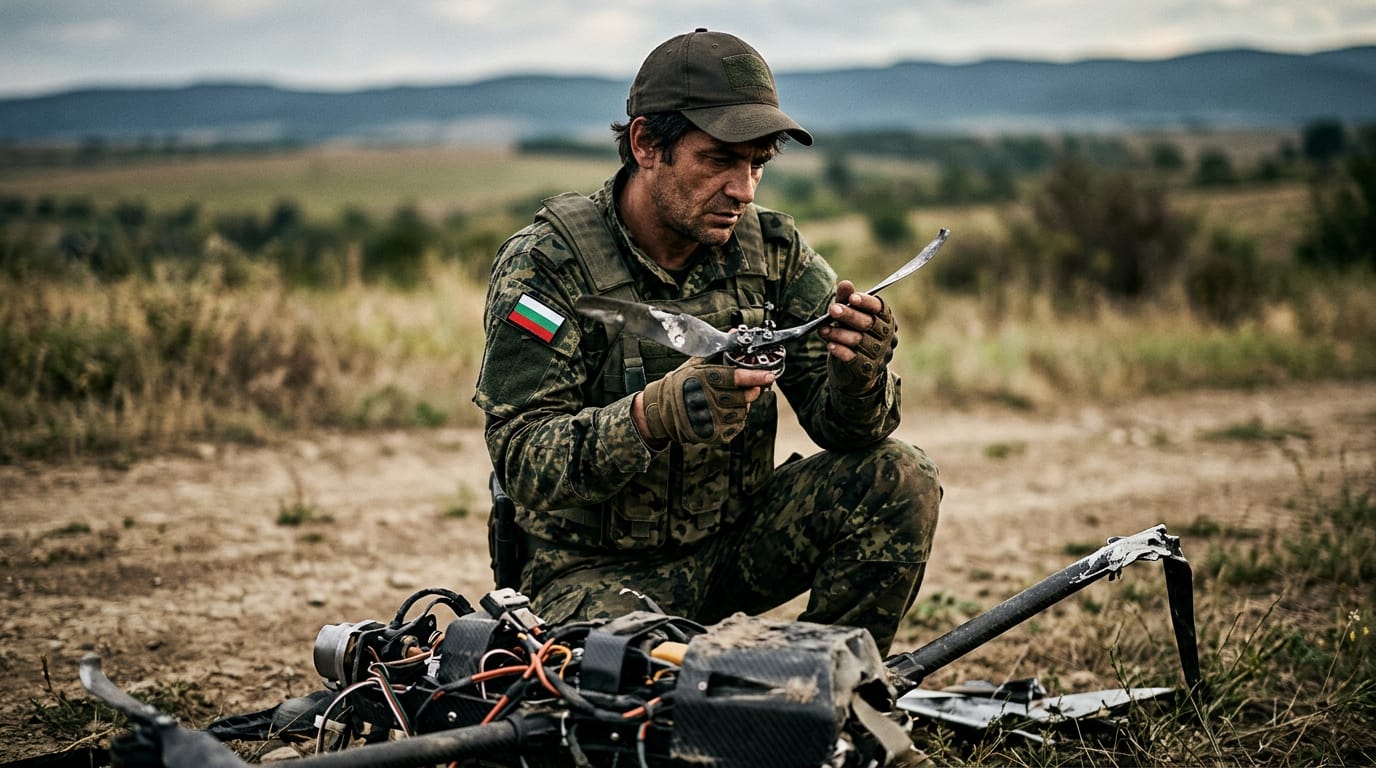
SOFIA, Bulgaria – A Ukrainian-made drone carrying a significant explosive payload recently exploded on Bulgarian territory near a critical gas pipeline, igniting a diplomatic spat and raising urgent questions about air defense vulnerabilities across NATO’s eastern flank. The incident, occurring on Saturday, August 8, has been described by Bulgaria as an unacceptable incursion, while Ukraine maintains its forces did not intentionally target its Black Sea ally. The event underscores the unpredictable and escalating risks posed by the ongoing conflict in Ukraine, particularly as drone warfare proliferates and the geographical consequences of the conflict increasingly spill beyond battle lines.
The drone, identified by Bulgarian defense officials as most likely a Ukrainian "Maya decoy drone," crashed and detonated around 5 a.m. near the Kardam border crossing, approximately 100 to 200 meters inside Bulgarian territory. The site of the explosion was a mere one kilometer from a compressor station on the strategic Trans-Balkan gas pipeline, which links Turkey to Ukraine. While the blast was powerful enough to produce a column of black smoke, no casualties or damage to the vital energy infrastructure were reported. Bulgarian Prime Minister Rumen Radev noted that the drone had traversed Romanian airspace before entering Bulgaria, eluding detection by both nations' air defense systems due to its small size and low flight altitude.
In the immediate aftermath, Bulgaria's Foreign Minister Velislava Petrova summoned Ukrainian Ambassador Olesia Ilashchuk to express "serious concern" and emphasize that incursions into Bulgarian airspace are "unacceptable". Sofia formally requested all available information from Kyiv to help clarify the circumstances of the incident and prevent future occurrences, highlighting the importance of maintaining direct and effective communication channels between the two countries. Bulgarian Defence Minister Dimitar Stoyanov disclosed on August 11 that Ukraine had not yet provided the requested details, including the drone's identification and serial number, despite repeated inquiries.
Ukraine, for its part, has vehemently denied any deliberate targeting of Bulgaria. Ukrainian Foreign Ministry spokesperson Heorhii Tykhyi and Ambassador Ilashchuk both affirmed that Ukrainian forces do not intentionally direct drones towards Bulgaria or any other partner country. Kyiv has pledged full cooperation in the investigation, with Ilashchuk stressing that the "root cause of the incident is Russia's war against Ukraine," which she argued increases threats to neighboring countries. Bulgarian Chief of Defense Admiral Emil Eftimov speculated that the drone might have been diverted from its intended course by electronic warfare systems, a common tactic employed by both sides in the Ukraine conflict. He noted that such GPS signal distortions are observed over more than half of Bulgaria's territory.
The incident has prompted Bulgaria to bolster its defensive posture. Prime Minister Radev announced that Bulgaria would increase surveillance and redeploy border police anti-drone detection and countermeasure capabilities from its Turkish border to the Romanian frontier. This strategic shift aims to enhance monitoring and interception capabilities against similar low-flying, difficult-to-detect aerial threats. The challenge of identifying and neutralizing such drones remains significant, as emphasized by Radev. The Ministry of Defence is also reportedly in discussions to acquire additional counter-drone systems.
This drone incursion is not an isolated event but rather the latest in a series of similar incidents affecting NATO member states and countries bordering Ukraine since Russia's full-scale invasion. Romania, Latvia, Estonia, Lithuania, and Moldova have all reported drones straying into their airspace or crashing on their territory. These occurrences highlight the severe challenges confronting NATO's collective air defense capabilities along its eastern flank. They expose a dangerous ambiguity between accidental violations and potentially deliberate probes, raising concerns about the potential for the war to unintentionally escalate into a wider regional conflict. The ease with which a drone carrying explosives could penetrate two NATO members' airspaces undetected underscores the urgent need for adapted and robust defense strategies against the evolving threats of modern warfare.
The August 8 drone explosion in Bulgaria serves as a stark reminder of the unpredictable nature of modern conflict and its ripple effects across geopolitical boundaries. While immediate damage was avoided, the incident has laid bare vulnerabilities in air defense systems and intensified diplomatic efforts between Kyiv and Sofia. It reinforces the critical necessity for NATO to continuously enhance its surveillance and interception capabilities, particularly against the proliferation of small, low-altitude drones. As investigations continue and the war in Ukraine persists, the delicate balance of supporting Ukraine while safeguarding the security of NATO member states remains a paramount and complex challenge.


